
x
Trying to buy or sell World Cup tickets on resale platforms raises questions about safety, delivery and getting paid. This guide compares FIFA’s official resale marketplace with independent sites, explains how app‑based tickets work, and what to check so you can enter the stadium without problems.
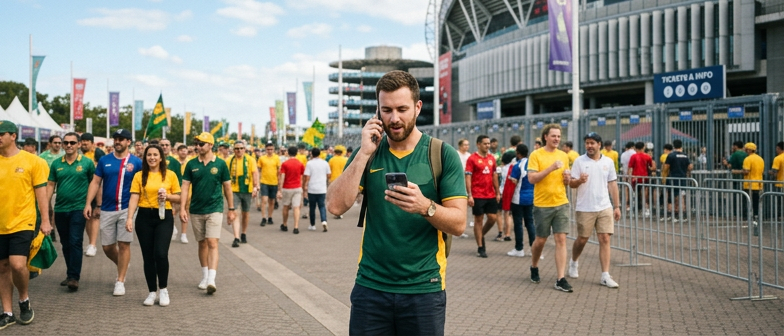
World Cup Ticket Resale operates in two main ways: through FIFA’s official resale marketplace and through independent ticket platforms. The official system sits inside the same online account or app used to buy tickets and provides a controlled way to return and reallocate seats, usually at face value and under fixed rules. By contrast, private resale sites function as broader secondary markets, matching sellers and buyers at market prices. For travelling fans, the crucial point is that FIFA’s framework is the only channel directly linked to the tournament organiser, while external ticket sites are unrelated third parties with their own policies and risk profiles.
The Official FIFA Resale Marketplace is normally limited to tickets issued by FIFA, with strict conditions on who can list, who can purchase, and how cancellation, reissue and stadium entry are handled. Other resale sites may advertise World Cup tickets within a wider inventory but depend on individual sellers and often have no technical or contractual connection to FIFA’s systems. As a result, availability, pricing and legal protection can differ sharply. When comparing the FIFA resale marketplace with independent ticket sites, fans need to balance the greater predictability of the official route against the extra flexibility but higher uncertainty of general secondary platforms.
When you compare World Cup ticket resale options, the safest choice is the official FIFA resale marketplace, because tickets stay inside FIFA’s system and their validity can be guaranteed. Independent resale sites can work, but they carry more risk, as tickets might be cancelled, duplicated, or sold in breach of terms and conditions. Before using any platform, look for clear information on how tickets are sourced, buyer protection with transparent refunds if a ticket is invalid, and upfront pricing instead of fees that appear only at checkout.
Your ability to enter the stadium with a resale ticket depends on whether it is properly transferred and linked to your identity. Recent tournaments use the FIFA World Cup Ticket App, where stewards scan the digital ticket and may check that the account or name matches the person entering. If the ticket is not transferred into your own FIFA account and visible in the app, you can be refused entry even if a PDF or screenshot looks real.
Treat the FIFA World Cup Ticket App as the final proof that your ticket is legitimate. Before buying from any resale site, confirm that the ticket can be moved into your profile in the app and check any cut‑off times for transfers. Avoid offers based on screenshots, printouts, or shared log‑ins, and walk away from any seller who cannot clearly explain how and when the ticket will appear in your app.
| Platform type | Ticket validation link | Entry reliability | Buyer protection signals | Overall risk level |
|---|---|---|---|---|
| Official FIFA resale marketplace | Directly in FIFA World Cup Ticket App | High, when ticket shows in your own account | Clear transfer steps, transparent refund rules | Low |
| Major independent resale site | May transfer to app or use barcode delivery | Medium, depends on proper name transfer | Documented guarantees, upfront fee disclosure | Medium |
| Small or unclear ticket platform | Unclear link to official app or account | Low, risk of cancelled or duplicated tickets | Vague promises, hidden fees at checkout | High |
| Informal peer‑to‑peer resellers | Screenshots or shared log‑ins only | Very low, often refused at stadium entry | No formal buyer protection or refund process | Very high |
When you compare World Cup ticket resale options, treat any site that is not clearly linked to FIFA but still promises guaranteed entry as risky. Before deciding whether a resale platform is safe, make sure it explains how tickets move into your official account or the FIFA World Cup ticket app, rather than just offering vague guarantees.
To reduce the risk of being turned away at the gate, get written confirmation that the ticket will appear in your own name and how it will be scanned so you know you can enter with a resale ticket. Avoid sellers demanding instant bank transfers, using several profiles or refusing basic ID checks, and keep screenshots of all messages in case you need evidence later.
When you buy World Cup tickets on a resale platform, first check how your ticket will be delivered. Recent tournaments mainly use digital tickets through the official FIFA World Cup ticket app or a linked mobile wallet. On the official resale marketplace, tickets are transferred to your account and appear in the app rather than as PDFs. Independent ticket sites may use app transfers, barcodes, or paper delivery, so always read the delivery description before paying.
The ticket app is usually the main way to enter the stadium, and resale buyers often need verified login details before seats appear. Sellers generally cannot just send a screenshot; the ticket is reassigned to your profile. On the official FIFA resale marketplace or partner sites that connect to the app, tickets may only appear shortly before kick‑off, which is normal anti‑fraud practice. Knowing this timing helps you avoid last‑minute stress, as you can arrive with the app installed, your phone charged, and identification that matches any required name on the ticket.
Fees and payment rules differ between the official FIFA resale platform and commercial ticket sites. The official channel usually shows clear, capped buyer fees, while private marketplaces may add service charges or currency conversion costs at checkout. These resale buyer fees help cover support, payment processing, and limited guarantees if something goes wrong. Sellers are often paid only after the match and once the ticket has been successfully used, so buyer protection is higher but payouts can be delayed for several days after the game.
For World Cup Ticket Resale, most tickets are delivered digitally, usually through the official Fifa World Cup ticket app or an in‑app transfer rather than email PDFs. Before match day, open the app, log in with the account the seller told you to use, and confirm the match, date, seat category and your name or passport details are correctly shown. If the ticket has been reassigned to you via an official resale platform, you can normally enter with that resale ticket as long as the QR code or mobile pass appears as active in the app, so test that it refreshes and can be viewed offline in case mobile data is slow at the stadium.
Check the rules in your FIFA ticketing account before you do anything, because many World Cup tickets can only be resold through the official FIFA resale marketplace and not on general ticket sites or via informal swaps. If resale is allowed, the usual way to resell a World Cup ticket is to log in, pick the match and seat you do not need, and submit it back into the official pool at the organiser’s price or cap. Using the official platform instead of third‑party marketplaces cuts the chance of fraud or cancellation and makes sure the original digital ticket is properly reissued to the new buyer, which matters for entry checks.
If you are choosing between the official FIFA resale marketplace and external ticket sites, remember that unauthorised listings can break the terms and may get your ticket cancelled, even if it looks like it has sold. Payouts also differ: in the official system, sellers are typically paid only after the ticket is resold and the match has been played, with funds sent to the registered payment method, while outside sites may pay earlier but involve more risk. When tickets can be transferred to friends instead of fully resold, this usually happens inside the same app by updating the guest’s details, and the new holder’s name and ID must match what stewards and digital checks see at the gate.
Are independent World Cup ticket sites as safe as the official FIFA resale marketplace?
No. The official FIFA resale marketplace is safer because tickets stay in FIFA’s system and can be verified. External sites may work but risk cancellation, duplicates, or tickets sold against the rules.
Can I enter the stadium with a ticket bought on a resale platform?
Yes, if it shows as valid in your FIFA World Cup Ticket App or linked account. Ensure the QR code or mobile pass is correctly assigned and refreshes before match day.
How are resale World Cup tickets delivered?
Usually as digital tickets in the FIFA World Cup Ticket App or by in‑app transfer. Some third‑party sites use barcodes or paper tickets, so confirm the delivery method before you pay.
How can I resell my World Cup ticket through official channels?
Sign in to your FIFA ticketing account, choose the match and seat, and list it on the official FIFA resale marketplace at the organiser’s set price, if resale is allowed for that ticket.
When do World Cup ticket sellers get paid on resale platforms?
On the official marketplace, payment is processed after the ticket is resold. Private sites may pay only after the event or once the buyer’s entry is confirmed, and may charge buyer fees.