
x
Most people still picture scented rooms and quiet music, yet touch‑based treatment has been edging into labs, clinics, and even intensive care units. Carefully patterned strokes, targeted pressure, and thoughtfully chosen oils are now being explored for effects on pain, mood, injury recovery, and on how the body handles stress, tension, and overall resilience.
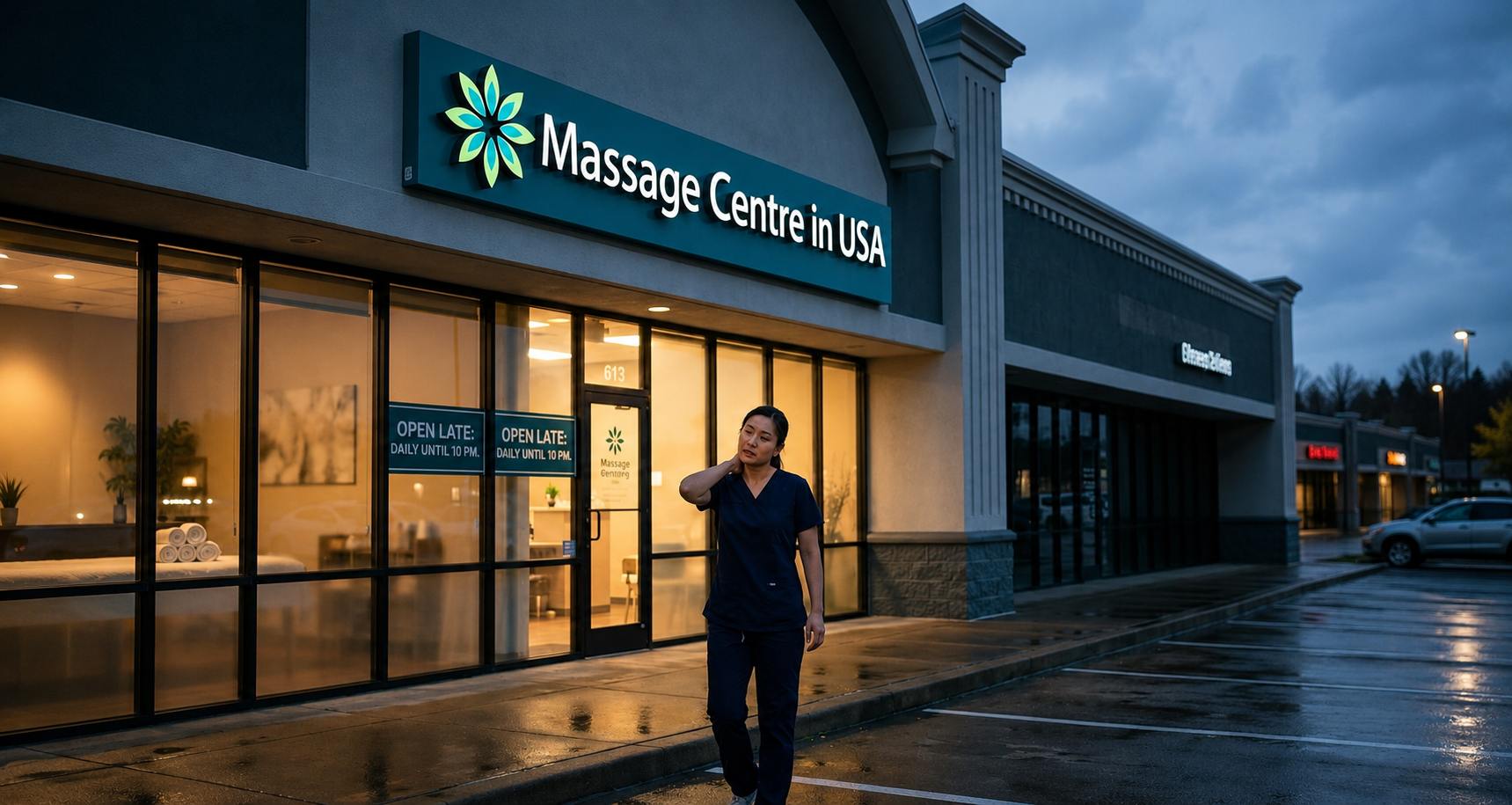
Step into a modern studio and the lighting, music, and warm sheets may feel familiar, but what happens on the table has shifted. The old “pamper only” model is giving way to sessions that sound more like a visit with a health professional.
Hands‑on work is now framed around goals like freer movement, better sleep, and getting back to everyday tasks or training after a setback. Practitioners talk about joint range, lymph flow, scar tissue, or chronic tension patterns instead of only “relaxing tight muscles.” Menus that once focused on hot stones and scented lotions now sit next to options designed for people who train hard, live with pain, or are recovering from illness.
Behind the soothing music, the touch itself is becoming more structured. A practitioner might use faster, lighter strokes to nudge a wired nervous system toward calm, then switch to slow, sinking pressure for stubborn knots in a runner’s calves. It can feel like two different protocols in a single session, guided by what the client’s body seems to need.
New tools deepen this blend of spa and clinic. Handheld devices deliver rapid pulses to dense muscle, heated stones hold steady warmth, and mechanical tables can knead or stretch without constant effort from the practitioner. For someone living with ongoing pain or fatigue, this mix can turn a visit that once felt like a treat into something that feels more like part of a broader care plan.
As soon as touch is seen as a way to work with pain, circulation, and anxiety, it starts to sit more comfortably next to other therapies instead of standing apart as a luxury.
When experienced hands start working, your body is not simply zoning out. Skin, muscles, connective tissue, and brain are trading signals in a language built from pressure, rhythm, and direction.
Slow pressure that sinks into a tight area tells the nervous system, “This is safe.” That message can help the body shift from a wired, fight‑or‑flight state into rest‑and‑digest mode. Breathing often slows and deepens, the heart rate eases, and muscles that were guarding start to release.
Patterns shape this response. Long, predictable gliding strokes give the brain a simple rhythm to follow, which tends to be soothing. Focused work, such as kneading or small cross‑fiber strokes, can help loosen tiny adhesions between muscle fibers so they slide more easily, which many people feel later as lighter, smoother movement.
Not all useful touch is deep or intense. Some approaches use contact so light it feels like a coin resting on the skin, especially around the head, spine, or jaw. Even that level of input can gently redirect the nervous system away from stress habits like jaw clenching, shrugged shoulders, or shallow breathing.
Experiences differ widely, especially for people with a history of injury or trauma. The same touch that feels calming to one client may trigger an urge to flinch, pull away, or brace. Muscles that suddenly tense are not “misbehaving”; they are trying to protect the body. Respectful pauses, clear check‑ins, and adjusting pressure or position help rebuild a sense of safety. Over time, those protective maps in the brain can soften.
A good session often feels less like someone “fixing” your body and more like a guided conversation between touch, awareness, and the systems that manage stress and comfort.
Choosing from a long menu becomes easier once the main goal is clear: easing a specific discomfort, supporting mood, or bouncing back after heavy use of the body. Behind the marketing names are differences in pressure, pace, and focus.
When relief from a particular problem is the priority, time usually concentrates on one or two trouble spots such as neck and shoulders, low back, or hips and legs. Pressure is often slower and firmer, with the practitioner lingering on knots or bands of tight tissue. This style can bring that “hurts but helps” feeling on the table and mild soreness afterward.
Shorter, targeted sessions can make sense for desk stiffness, old sports tweaks, or recurring headaches, especially when paired with honest communication. Letting the practitioner know about recent injuries and which movements hurt most in daily life helps them choose angles, tools, and depth that aim at the real issue rather than chasing surface tightness.
When emotional load or overall fatigue is front and center, comfort takes the lead. Pressure tends to stay light to medium, the pace is unhurried, and the whole body usually receives at least brief attention. Many places pair the touch with warm oil, stretches that feel more like assisted yoga than exertion, and a quiet sensory environment. The aim is to settle the nervous system so the mind can switch off for a while.
For people using massage as part of training or physically demanding work, the sweet spot often lands between soothing and deep. Sessions may devote extra time to legs, glutes, and back, using medium pressure and long, rhythmical strokes, plus careful stretching. Sharing when you last trained and how intense it felt helps the practitioner decide how vigorous the work should be and how long the session ought to run.
A simple way to narrow options is to think about which description below fits best in the moment.
| Main priority in this visit | Typical pressure and pace | Who it often suits best |
|---|---|---|
| Easing a specific ache or tight area | Slower, focused, from medium to quite firm | People with desk strain, old nagging spots, or recurring local discomfort |
| Calming the mind and nervous system | Smooth, continuous, from very light to medium | People feeling overwhelmed, anxious, or sleep‑deprived |
| Supporting training or physical workload | Mixed pace, targeted on high‑use areas | People who move or lift a lot and want to bounce back more comfortably |
Step outside the quiet treatment room and the landscape is crowded with membership offers, booking apps, and promises of dramatic results. The growing market is often used as proof that hands‑on work “must be effective,” but the research picture is more complex.
Studies do suggest that regular sessions can ease pain for various conditions and support quality of life measures like comfort and function. At the same time, there are important gaps. Many projects involve only small groups, mix different techniques and schedules, or track results for a fairly short period. That makes it hard to pin down which ingredients matter most: the manual techniques themselves, the peaceful environment, the feeling of being cared for, or simply the routine of returning at steady intervals.
Because of that uncertainty, bold claims on flyers or websites deserve scrutiny. It is reasonable to ask how closely those promises match what is actually known, what is still being explored, and what likely comes down to individual variation. Honest conversations with practitioners about expectations, limits, and possible side effects are part of real safety, just like clean linens and proper draping.
Technology is adding fresh layers to that safety conversation. “Smart touch” tools and robotic systems are being promoted as consistent and able to repeat the same pattern endlessly. They may be helpful for simple, routine tasks or as a lower‑cost option when human time is limited, but they also raise new questions.
| Aspect to check before booking | Why it matters in real life |
|---|---|
| How goals are discussed in advance | Aligns the session with pain, mood, or recovery needs |
| Openness about what is known and unknown | Helps avoid inflated expectations and disappointment |
| Training and screening for tech‑assisted services | Reduces risk of mismatched clients and unsafe use |
| Willingness to adjust pressure and pacing | Supports comfort for both stressed and trauma‑sensitive bodies |
How do I choose the right “Massage Near Me” option for pain, stress, or sports recovery?
When searching online, look beyond star ratings and focus on detail: specialties listed, years in practice, and whether the Massage Therapy description mentions pain management, sports recovery, or relaxation. A good listing explains assessment, typical pressure, and follow‑up advice, not just ambience or discount packages.
What should I expect from a first visit with a professional Massage Therapist at The Massage Centre?
A qualified Massage Therapist will review your health history, medications, injuries, and daily habits before you get on the table. At The Massage Centre or any reputable clinic, they should ask about your goals, explain techniques and Massage Oil choices, obtain consent, and invite feedback on pressure during the entire session.
Does the type of Massage Oil really matter for results and safety?
Massage Oil choice can affect skin comfort, glide, and even mood. Hypoallergenic, unscented oils work best for sensitive skin or medical settings, while light aromatherapy blends may support relaxation. In any Near Massage Centre, you can request ingredient lists, avoid nut‑based oils if allergic, and ask for lighter textures if you dislike residue.
How can I tell if a “Near Massage Centre” is operating with clinical standards instead of just spa marketing?
Clinically minded centres post credentials, licensing numbers, and clear on intake, draping, and contraindications. Their Massage Therapy descriptions mention conditions they commonly support, referral relationships with other providers, and realistic outcomes. They emphasize communication and safety checks, not miracle cures or gimmicky add‑ons.
How often should I book Massage Therapy sessions to see meaningful benefits?
Frequency depends on goals and budget. For acute pain, weekly Massage Near Me sessions for three to six weeks can help reset tension patterns, then taper to biweekly or monthly maintenance. For stress or training support, many clients at The Massage Centre book every two to four weeks, adjusting timing around workload and recovery needs.