
x
If you’re unsure what a home inspection really covers, this guide helps you decide which inspections you need, estimate time and cost, and see when specialized checks like termite, roof, HVAC, or lead‑hazard reviews and local assistance programs should be part of your homebuying plan.
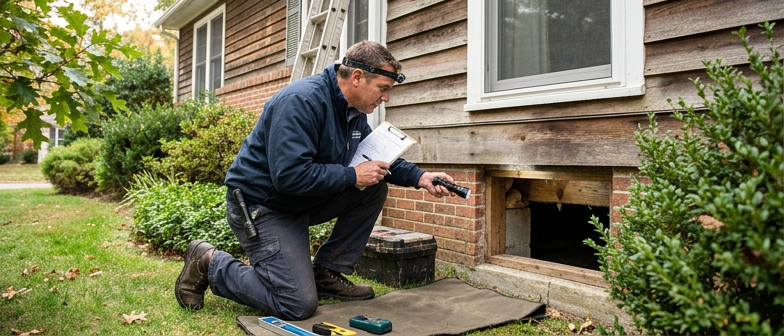
A home inspection is a detailed visual review of a property’s major systems and components, performed by a licensed inspector before you finalize your purchase. Unlike a quick walk-through or an appraisal that focuses on market value, it evaluates the physical condition of the home so you understand what you are really buying. Inspectors typically examine the structure, roof, electrical and plumbing systems, and often the HVAC equipment, then provide a written report that highlights existing defects, safety concerns, and items that may need repair soon. Knowing what a home inspection includes helps you spot hidden issues you might miss on your own and see the home’s overall condition more clearly.
A standard home inspection matters because it affects your negotiation power, budget, and long-term safety. Homebuyers should know how long a home inspection takes, usually a few hours depending on size and complexity, so they can attend and ask questions while the inspector works. The findings may lead you to request repairs, ask for a price adjustment, or walk away from the deal if the problems are serious. For many buyers, this step is one of the last chances to uncover costly structural or system failures before closing. Spending the time and money on a thorough inspection helps you make an informed decision and avoid expensive surprises after move-in.
A standard home inspection is a visual review of the home’s major systems for safety, structure, and basic function, not cosmetic flaws. When people ask what a home inspection includes, it generally covers the foundation and framing, exterior siding and grading, doors and windows, interior surfaces, and built‑in fixtures. Inspectors also check accessible plumbing, electrical panels and visible wiring, and heating and cooling equipment for obvious defects and basic performance. It is not a code compliance check or a guarantee, and inspectors only evaluate what they can see and operate without opening walls or doing invasive testing.
Most buyers want to know whether the inspection meaningfully covers HVAC and the roof. Inspectors usually run the heating and air conditioning, test normal controls, and look for issues like poor airflow or unsafe exhaust, but they do not take equipment apart or perform full diagnostics. Roofs are commonly viewed from the ground or edges to assess shingles, flashing, and gutters, yet very steep or slick roofs may only get a limited review. For older roofs or homes with signs of leaks, a separate roof inspection by a roofing specialist can be a smart add‑on, so it helps to ask in advance how deeply your inspector evaluates HVAC and roofing.
It is equally important to know what a general home inspection does not include. Wood‑destroying pests such as termites and carpenter ants are normally outside the scope, so many buyers arrange a dedicated termite inspection when comparing a home inspection versus a termite inspection. Standard inspections also usually exclude testing for environmental hazards like lead, asbestos, or radon and do not confirm the condition of underground or hidden systems. Understanding these limits lets you plan any needed specialty inspections and budget for follow‑up evaluations.
| Inspection Type | Primary Focus Areas | Coverage Level vs Standard Home Inspection | Best Use Case |
|---|---|---|---|
| Standard Home Inspection | Structure, basic systems, safety | Broad but non‑specialized | Overall condition check before purchase |
| Roof‑Specific Inspection | Roof materials, flashing, leak sources | Deeper and more targeted | Older roofs or visible staining indoors |
| HVAC‑Focused Inspection | Heating, cooling performance, components | Detailed beyond basic operation | Complex systems or comfort concerns |
| Termite / Wood Pest Inspection | Wood‑destroying insects, moisture damage | Separate and non‑overlapping | Homes in high‑risk pest areas |
| Environmental Hazard Inspection | Lead, asbestos, radon, related risks | Outside standard visual scope | Older properties or health‑driven buyers |
A standard Home Inspection checks general condition and safety but does not cover every risk in depth. Termite or other wood destroying insect inspections are usually separate, so consider a focused termite report if the home is older, shows wood damage, or is in an area with heavy infestations. Inspectors often observe and test heating and cooling, but coverage differs, so confirm whether the service clearly includes HVAC performance, age, and maintenance, or hire an HVAC specialist for a detailed review.
Roof surfaces and gutters are often viewed from the ground or limited access points, which can leave blind spots on steep or aging roofs. You may need a separate roof inspection when the roof is near the end of its life, shows visible staining or patchwork, or when your insurer or lender requires a technical roof report. Ordering targeted inspections such as roof or termite evaluations alongside the main Home Inspection gives a more complete picture of structural risk, system reliability, and likely repair costs.
For most buyers, the first question about a home inspection is cost. A standard inspection usually runs from a few hundred dollars up to about a thousand, depending on the home’s size, age, complexity, and local rates. Larger or older properties and homes with extras like pools or detached garages tend to be more expensive, and optional services such as radon or sewer line checks are typically priced separately. Fees are often due at the time of service rather than included in closing costs, so plan to have funds available. A typical visit takes about two to four hours, with smaller units on the shorter end. Inspectors need uninterrupted time to test major systems, take photos, and document findings, so avoid stacking the appointment directly against other key commitments.
When you budget for this, consider whether any homebuyer assistance program you use can help pay for inspection fees. Some first‑time buyer or down payment assistance programs let you apply grant funds or closing credits toward inspection and appraisal costs, while others cover only the down payment. Check the program rules or ask your lender or housing counselor to confirm what is allowed. If your assistance cannot cover the inspection, you may negotiate a seller credit at closing or choose a more basic inspection package and pay out of pocket. Treat both the expense and time as essential to protecting your investment, because a thorough report can reveal serious issues before you finalize the purchase.
When scheduling a home inspection, use state licensing boards, professional associations, and referrals from your real estate agent or recent buyers to find a licensed home inspector nearby. Reputable online directories can narrow options, but confirm the inspector focuses on residential Home Inspection rather than only commercial work. As you compare candidates, review their experience, sample reports, and whether they carry errors and omissions insurance, because these factors influence inspection quality and your protection if something important is overlooked.
Before hiring anyone, learn how to verify a home inspector license through your state’s online lookup tools or by contacting the licensing office. Check the inspector’s name, license number, status, expiration date, and any disciplinary history, then confirm membership in recognized professional associations to see if they follow established standards of practice. If license details or credentials do not match what the inspector claims, ask for an explanation or choose someone else, since a properly licensed and transparent professional is essential to a trustworthy Home Inspection and confidence in the final report.
Before you hire anyone for a home inspection, start by asking for the inspector’s full name, company, and license number, then use your state’s online licensing database to make sure the license is active and in good standing. As you verify a home inspector’s license, check for any disciplinary actions or complaints listed with the licensing board, and confirm how long they have been certified. To find a licensed home inspector nearby, you can also search professional association directories and then cross‑check each candidate in the state system to be sure they are properly authorized to perform inspections.
What does a standard home inspection include, and does it cover HVAC?
A home inspection is a visual check of structure, roof, exterior, interior, plumbing, and electrical. Inspectors usually test basic HVAC operation, but detailed system analysis requires an HVAC specialist.
How long does a home inspection take, and when should I book it?
Most inspections take 2–4 hours, depending on size and complexity. Schedule it soon after your offer is accepted so the inspector has time to test systems and record results.
How much does a home inspection cost, and can buyer assistance cover it?
Fees typically range from a few hundred dollars up to about a thousand, with extra services priced separately. Some homebuyer assistance programs reimburse part of the cost, so confirm eligibility before you hire an inspector.
Are termite and roof inspections separate from a home inspection?
Termite or other wood‑destroying insect reports are usually ordered separately. Roofs are visually reviewed in most standard inspections, but an independent roofing inspection is smart for older roofs or suspected damage.
How do I find a licensed home inspector nearby and verify the license?
Get the inspector’s name, company, and license number, then confirm it in your state’s online licensing search. You can also use professional association lists and check that each license is active and in good standing.