
x
When hot water runs out fast, the pilot light keeps failing, or the tank starts leaking, you face urgent water heater repair decisions. This guide helps you weigh repair versus replacement, estimate typical costs, check warranty and assistance options, and know when to call gas or electric specialists.
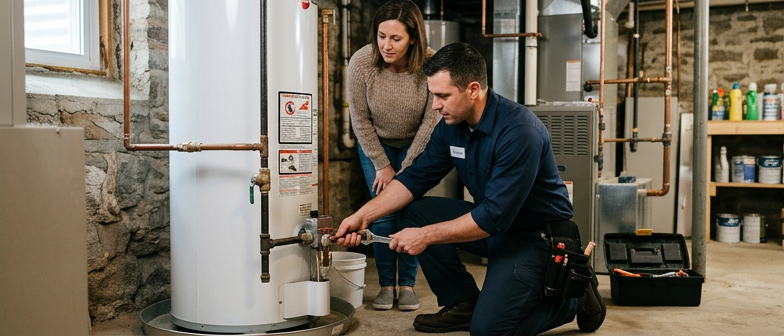
Many homeowners discover they need water heater repair when daily routines change: water never gets as hot as before, temperatures swing from very hot to lukewarm, or hot water runs out quickly during showers and chores. These symptoms often point to sediment buildup, a failing thermostat, or worn heating elements. On gas systems, pilot light trouble is frequent; if the flame will not stay lit, the burner cannot heat water consistently. Noticing these issues early helps you explain the situation to a technician and can prevent a complete loss of hot water.
Once problems appear, people naturally ask how long water heater repair takes and what the process involves. Quick adjustments such as changing temperature settings, flushing the tank, or safely relighting a pilot light are often finished in under an hour, while tracking down electrical faults or replacing parts usually takes longer for testing and installation. The repair time depends on your type of heater, how severe the malfunction is, and how easily the unit and plumbing can be reached. Understanding these common failures and typical timelines makes it easier to decide whether to arrange a fast service visit or plan for a more involved repair that may temporarily limit hot water.
Before any water heater repair, basic safety checks come first. On gas units, keep the area ventilated, watch for a sulfur or rotten egg smell, and if you suspect a leak, leave the home and call the utility or emergency services instead of trying to relight the burner. For water heater pilot light repair, turn the gas control to off, wait several minutes, then follow the manufacturer’s lighting steps, and never bypass safety devices. With electric models, shut off power at the breaker and confirm it is off before removing panels, because heating elements and wiring can deliver a serious shock. If you are not comfortable testing wiring or controls, stop there and arrange an electric water heater repair service. Quick visual checks for burned wiring, rusted fittings, or water around the base help you describe the issue clearly without unsafe trial and error.
Checking water heater warranty coverage can decide whether you repair or replace. Find the label with brand, model, and serial number, then compare it to your installation paperwork or the manufacturer’s site to see how long tank, parts, and labor are covered. Many warranties require proper maintenance and can exclude damage from flooding, improper installation, or unlicensed work, so using a qualified technician helps keep coverage valid. If the unit is still under warranty, you may only pay labor or service fees; if coverage has expired, a professional can explain whether a repair is cost‑effective or if replacement makes more sense. Persistent pilot light failures, tripped breakers, or leaks near gas or electrical connections are good signs to stop DIY work and call a licensed repair service for safer handling.
| Situation | DIY Risk Level | Recommended Action | Reason to Call a Pro |
|---|---|---|---|
| Smell of gas or rotten egg near heater | High | Leave area immediately | Needs utility or emergency handling |
| Pilot light repeatedly goes out | Medium | Do not keep relighting | Requires safe gas control and diagnostics |
| Breaker keeps tripping on electric heater | High | Stop resetting breaker | Possible wiring or element fault |
| Rust, burn marks, or melted wiring | High | Avoid touching components | Indicates unsafe electrical or heat damage |
| Active leak near gas or power connections | High | Shut off water if safe | Risk to gas, electrical, and warranty coverage |
| Unit still under parts or tank warranty | Medium | Skip unlicensed repairs | Professional service helps protect coverage |
Before you attempt Water Heater Repair yourself, focus on safety and the type of issue. Relighting a gas water heater pilot light can be simple, but handling gas and combustion demands strict attention to the manual. On electric units, anything beyond pressing the reset button, such as opening panels or working near wiring, is better left to an Electric Water Heater Repair Service to avoid shocks, fire risk, or problems that could void warranty coverage.
Complex or time‑sensitive problems usually call for a licensed technician. Diagnosing thermostat faults, testing elements, or chasing intermittent leaks often requires tools and experience, and a professional can estimate how long water heater repair takes and schedule the work. If the instructions or online advice about Water Heater Pilot Light Repair or electrical parts leave you unsure, stop and bring in a qualified service instead of risking injury or a costlier repair.
Gas and electric water heater repair follow different paths because the energy source and safety risks differ. For gas units, typical work includes ignition and burner issues, or problems with the gas valve and thermostat. When you contact a local provider for gas water heater repair, the visit usually starts with checks for leaks and proper venting before any adjustments. Electric water heater repair service focuses on testing heating elements, thermostats, breakers, and wiring with diagnostic tools, then replacing failed parts once the cause of the problem is confirmed.
A common gas issue is a pilot that will not stay lit, so water heater pilot light repair is often advertised as a basic service. Technicians may clean or replace the thermocouple or flame sensor and verify gas pressure and combustion air. Both gas and electric heaters can leak at valves, fittings, or the tank. When you look for help with a leaking water heater, emergency contractors typically shut off water and power first, then decide whether a valve or joint can be repaired or if the tank itself has failed and must be replaced.
Knowing how long water heater repair takes helps you plan around the appointment. Quick jobs such as relighting a pilot or changing a minor valve often finish in under an hour after the technician arrives. More involved work, like replacing an electric heating element, installing a new gas control valve, or dealing with corrosion, can take several hours, especially with older or hard‑to‑reach units. When parts are back‑ordered or the tank is badly rusted, you may need a return visit, and the contractor might suggest comparing repair costs with full replacement for better long‑term reliability.
If water heater repair costs more than your budget allows, check whether you qualify for local or federal repair assistance, community action agencies, or nonprofit housing programs that help with essential utilities. Many let you apply for water heater repair assistance online or at a local office and may cover labor and parts for both gas systems and electric units. Before applying, gather recent utility bills, proof of income, and a short description of the issue, such as needing nearby gas water heater repair or a licensed electric water heater repair service, and confirm any permit, inspection, or co‑payment requirements.
When a water heater starts leaking, the key question is whether to repair the unit or replace it. Small leaks at fittings, valves, or flexible lines may be corrected by tightening connections or swapping inexpensive parts, often by a local leaking water heater repair service. If the tank itself is corroded and seeping water, it usually means the heater is near the end of its life, and replacing it is typically safer and more economical than trying to patch the shell. The same repair‑versus‑replacement decision applies to tankless models; some can be saved with new gaskets, sensors, or a heat exchanger, but heavy internal scale, frequent failures, or advanced age may make a full tankless heater repair or replacement the more sensible choice.
Not all problems involve visible leaks. If hot water runs out quickly, the cause may be failed heating elements in an electric unit, a partially burned‑out gas burner, or severe sediment that reduces usable capacity. In an electric model, the cost of a water heater element replacement is usually lower than installing a new system, though the final price depends on local labor, the heater’s age, and whether thermostats or other parts also need work. When issues go beyond a single failed part, such as recurring leaks combined with temperature swings or a system far past its expected service life, it is often wiser to invest in a new water heater rather than continue paying for repeated repairs.
My hot water runs out quickly. What repair is usually needed?
Common causes are a failed thermostat, worn heating elements, or heavy sediment in the tank. A technician can flush the heater and test controls to restore consistent hot water.
How do I safely try to relight a gas water heater pilot light?
Turn the gas control to OFF, wait several minutes, then follow the relighting steps on the label. If you smell gas or the flame will not stay lit, stop and call a qualified gas water heater repair service.
Should I repair or replace a leaking water heater tank?
Leaks from valves or fittings can often be repaired. If the tank wall itself is corroded and seeping, replacement is usually safer and more cost‑effective than trying to patch it.
What affects the cost of tankless water heater maintenance or repair?
Costs depend on scale buildup, parts needed, and access to the unit. Routine descaling is cheaper than replacing major components like the heat exchanger, which may tip the decision toward replacement.
How can I check water heater warranty coverage or get repair assistance?
Start with the manufacturer’s label and manual to confirm warranty terms. If coverage has expired, you can apply for water heater repair assistance through local housing or energy‑aid programs, usually by submitting income and utility information.