
x
If you’re weighing warehouse work or a logistics career in Germany, this guide compares typical warehouse roles, Amazon-style fulfillment shifts, and port-focused jobs in Hamburg so you can judge daily tasks, schedules, legal limits, and manager responsibilities before applying.
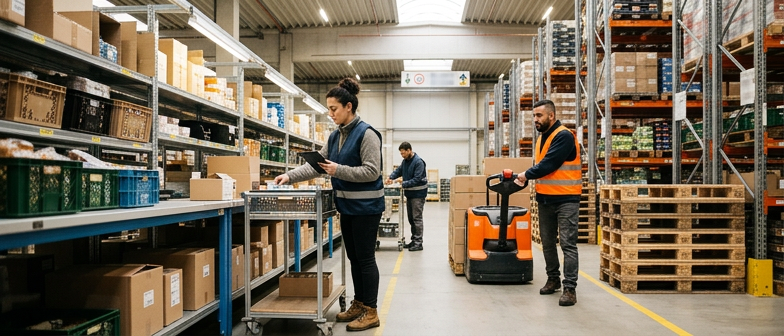
Warehouse work is a core part of the logistics sector, linking production, online retail, wholesalers and transport companies. Typical logistics warehouse jobs include receiving goods, checking deliveries, storing items, picking orders, packing and loading vehicles. Workplaces range from small depots to highly automated distribution centres with conveyor systems, scanners and warehouse management software. Staff cooperate with forklift and truck drivers and inventory controllers, while warehouse and logistics managers coordinate people, shifts and material flows so that orders are processed quickly and safely.
Large e‑commerce fulfilment centres have become major employers, including brands that promote Amazon warehouse jobs in Germany. These facilities handle thousands of parcels per shift and offer both entry‑level roles and more advanced positions in team leading or process optimisation. Alongside global platforms, many traditional logistics providers, manufacturers and retailers also hire warehouse staff, including in major hubs such as Hamburg. Across these employers, warehouse work follows structured processes, clear safety and quality standards and is closely connected to the wider transport and logistics network.
In German logistics warehouse jobs, day-to-day work focuses on keeping material flow stable, safe and transparent. Typical tasks include unloading trucks, checking incoming goods against delivery notes, scanning barcodes and entering data into warehouse management systems. Workers pick items according to digital pick lists, consolidate orders on pallets or in roll cages, label consignments correctly and prepare shipping documents. They also carry out stock checks, report deviations, and follow strict safety and hygiene rules, including personal protective equipment and safe use of pallet trucks or forklifts where permitted.
The core skill set combines physical resilience with methodical and digital competence. Employees must read packing lists and system information accurately, handle handheld scanners and basic warehouse or ERP software, and coordinate smoothly with colleagues in transport planning and customer service. For roles with more responsibility, such as shift leaders or team coordinators, planning staffing, monitoring performance indicators and communicating clearly with drivers and external partners becomes crucial. Understanding how inbound, storage and outbound processes are linked helps avoid errors and contributes directly to shorter delivery times and lower costs.
Career paths are shaped by formal training routes recognised in Germany. Many employees start as helpers and then complete a vocational qualification as warehouse specialist or skilled worker in warehouse logistics, combining practice with theory on inventory, occupational safety and documentation. Further training can lead to responsibilities typical of a warehouse and logistics manager job description, such as overseeing storage areas, designing processes, ensuring compliance with working time and safety regulations, and leading teams. With experience and additional qualifications, specialists may progress into site management, logistics planning or continuous improvement roles in larger networks.
| Role Type | Main Focus | Autonomy Level | Typical Responsibilities | Next Career Step |
|---|---|---|---|---|
| Entry-level warehouse helper | Manual handling and basic order processing | Low | Unloading, picking, packing, simple stock checks | Vocational training as warehouse specialist |
| Qualified warehouse specialist | Coordinated material flow and data accuracy | Medium | Operating scanners and WMS, inventory tasks, safety routines | Skilled worker in warehouse logistics |
| Skilled worker in warehouse logistics | End-to-end process understanding | Medium to high | Planning workflows, coordinating with transport and customer service | Shift leader or team coordinator |
| Shift leader or team coordinator | Team organization within a shift | High | Staff planning, monitoring key indicators, managing handovers | Warehouse and logistics manager role |
| Warehouse and logistics manager | Strategic process and people leadership | Very high | Designing warehouse processes, ensuring compliance, leading teams | Site management or logistics planning roles |
In a typical Warehouse and Logistics Manager job description, the emphasis is on leading teams and processes. This role plans inbound and outbound flows, defines shift patterns, allocates staff to picking, packing, and loading, and tracks indicators such as on-time dispatch, stock accuracy, and error rates to keep performance on target.
Managers are also responsible for a safe, legally compliant, and efficient operation. They implement standard procedures, respect working time regulations, organise equipment and safety training, and drive continuous improvement to streamline routes and reduce waiting times, damage, and returns. They handle audits, documentation, and communication with authorities or clients, turning strategic logistics goals into clear daily instructions on the warehouse floor.
In logistics warehouse jobs, working hours are organized in defined shift patterns to keep the flow of goods running. Common models include early shifts starting in the morning, late shifts into the evening, and full night shifts in large fulfillment centers and parcel hubs. Many warehouses use rotating systems so employees alternate between early, late, and night duty over several weeks, which distributes the burden more fairly. Weekend work is common where customer orders are processed seven days a week, but employers usually plan fixed rosters so staff can anticipate time off and organize family life and commuting.
In large e‑commerce facilities, including Amazon warehouse jobs in Germany, shift planning is closely aligned with peak order times and seasonal campaigns. Inbound, picking, packing, and outbound teams may follow different schedules so that goods receipt, storage, and shipping capacity match actual volumes. Full‑time contracts dominate, but part‑time roles and temporary seasonal positions cover evening or weekend peaks. Within the warehouse, managers try to match operational needs with employees’ preferences, for example by allowing experienced staff to choose between stable fixed shifts and rotating systems, as long as this remains compatible with working time rules.
All these shift models are framed by the national Working Time Act, which sets legal limits for warehouse employees. Daily working time may not exceed eight hours and can only reach ten hours if the average over six months or 24 weeks returns to eight hours per day. Employees must receive at least eleven consecutive hours of rest between shifts, which is crucial when planning night work or quick changeovers. Sunday and public holiday work is allowed only under specific conditions and must be compensated with substitute rest days. Human resources and shift planners must therefore design rosters carefully, document hours, and ensure that overtime, night work, and weekend duties stay within statutory limits.
In large fulfillment hubs, including sites that advertise Amazon warehouse jobs in Germany, work is organized in structured shift models to keep operations running almost around the clock. Common patterns are early and late shifts, extended two-shift systems that start very early in the morning or run into the late evening, and full three-shift rotations that also cover overnight work. Teams are planned in fixed rosters so that incoming goods, storage, picking and packing are covered continuously and handovers remain efficient. For applicants considering Amazon warehouse jobs in Germany or similar roles, rotating schedules, staffing peaks around weekends, holidays and sales events, and possible overtime during peak seasons shape everyday life. Quieter periods may offer more predictable hours or part-time options, helping stabilize work–life balance once arrangements with the employer are agreed.
Hamburg is one of Europe’s key port cities, so many logistics warehouse jobs are concentrated around the harbor, container terminals, and freight villages. A large share of work is tied to maritime trade, with goods arriving by ship, passing customs, and then being stored, picked, and reloaded for rail and road transport across Germany and the EU. Typical employers include major logistics providers, freight forwarders, and cold-storage specialists handling food, pharmaceuticals, and other temperature-controlled cargo. Workplaces range from classic pallet and high-bay warehouses to modern distribution centers with conveyor systems and scanners, where basic German skills and safety training are usually expected even for entry-level staff.
People looking for warehouse jobs in Hamburg can apply to port-related logistics firms, e-commerce fulfillment centers, and regional hubs that supply retailers and manufacturers. Roles span from general warehouse operative to inventory clerk and forklift driver, and experienced workers can move into positions supporting warehouse and logistics managers with shift coordination and transport flows. Shift work is common, especially in import and export operations that follow shipping timetables, so early, late, and night shifts are typical. Strong trade volumes also create seasonal peaks, which often open short-term positions that can lead into a longer-term logistics career in this metropolitan area.
What kinds of tasks do typical logistics warehouse jobs in Germany involve?
They focus on receiving and checking goods, putting items into storage, picking orders with scanners, packing cartons or pallets, loading vehicles, and helping with stock checks while following safety and hygiene rules.
What does a warehouse and logistics manager job description usually include?
Managers plan inbound and outbound flows, design shift schedules, assign staff to receiving, picking, packing and loading, monitor KPIs such as on‑time dispatch and inventory accuracy, and improve processes and safety.
How are shifts normally organized for warehouse workers?
Most sites use early, late, and sometimes night shifts, often in rotating patterns. Weekend work is common, but rosters are usually fixed in advance so employees can plan family life and commuting.
What should I expect when applying for Amazon warehouse jobs in Germany?
Expect structured shift models, rotating schedules including very early or late hours, higher workloads around weekends, holidays and sales events, plus possible overtime in peak season and steadier hours in quieter periods.
What is special about warehouse jobs in Hamburg?
Many roles are linked to the port, container handling and customs. Employers include major logistics and cold‑storage providers, and even entry roles usually require basic German, safety awareness and work with scanners or conveyor systems.