
x
Behind every smooth shipment is a quiet choreography of shelves, scanners, carts, and cartons that either keeps your team flowing or leaves them chasing errors. When each step from shelf to shipping station fits together cleanly, labour costs shrink, training becomes easier, and service levels rise even during peak season.
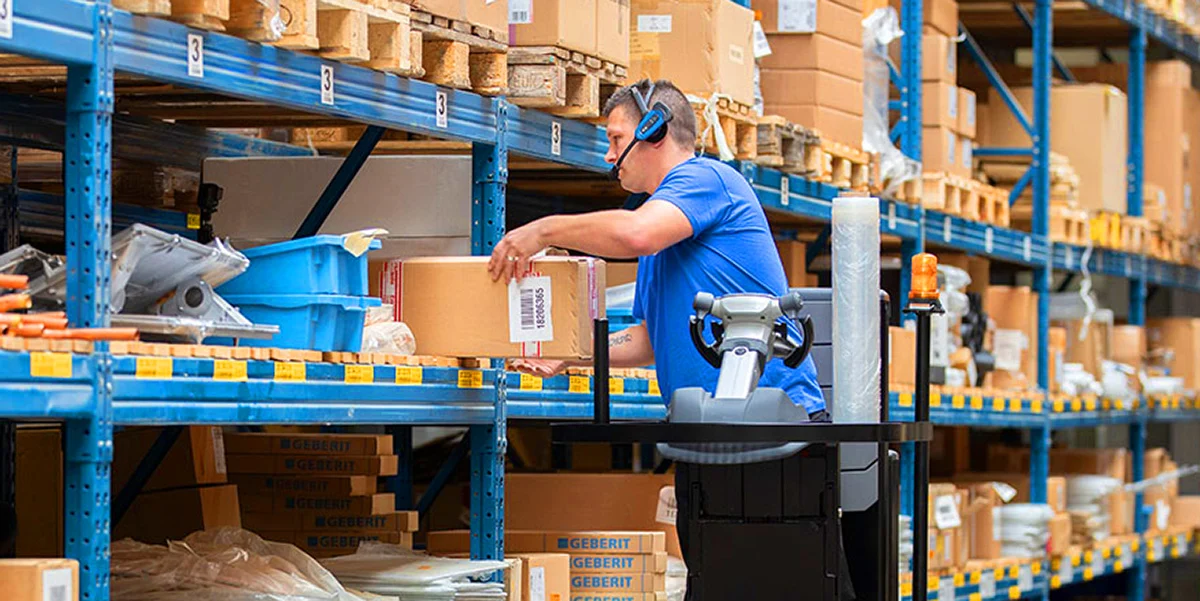
When people think about warehouse picking, they often picture forklifts and shelves, not cardboard boxes. But the way you choose and use packaging can quietly decide your costs, speed, and even customer happiness. In a busy Canadian warehouse, that plain shipping box is often where money is made or lost.
Most warehouse costs and labour time are tied up in picking, often taking well over half of total expenses. That means if your team is walking too far or hunting for items, every shipping box ends up more expensive than it looks. Batch picking, supported by smart route planning, can trim travel distance and time by around a quarter, which directly reduces the cost that gets baked into each parcel. When high‑demand products sit in the most accessible pickfaces and a Warehouse Management System tracks stock in real time, workers can match items to packaging faster, with fewer mistakes and less repacking.
A practical way to connect picking quality with box choices is to treat each box as the “output” of a small, repeatable process instead of a one‑off decision. Clear rules for what goes in which box, and how it should arrive at the station, make it easier for staff to move quickly without guessing.
| Picking Practice Category | Typical Packaging Impact | When This Practice Helps Most | Things Teams Commonly Adjust |
|---|---|---|---|
| Single-order picking from dispersed shelves | More last‑minute box changes and fillers at the bench | Low-volume, high-mix operations with very unique orders | Refine slotting to bring similar SKUs closer; pre-suggest box types in the WMS |
| Batch or cluster picking with carts or totes | More consistent box choices and fewer repacks | Operations with repeatable order patterns and recurring SKUs | Standardize box families; label totes with target box ranges before packing |
| High-velocity “hot zone” near packing | Shorter decision time for box size and void fill | SKUs with stable demand and predictable order lines | Review which items qualify for mailers vs. cartons; keep matching materials within arm’s reach |
| WMS-guided picking with packing suggestions | Fewer errors in box selection and DIM weight surprises | Sites with enough order history to learn from | Fine-tune rules that link SKUs to packaging; review exceptions after peak periods |
Once items reach the packing station, the box becomes the star. Choosing the right size is not just about looking neat; it can cut dimensional weight charges by roughly 15–25%, which really adds up on regular shipments across long distances. When packers have a clear range of standard box sizes, good shelving, and tools like barcode or RFID scanning, they can seal orders quickly while keeping accuracy high. Faster, more reliable packing means you can sometimes ship with slower, cheaper carriers and still hit promised delivery windows, turning simple packaging decisions into real savings and smoother operations.
Right‑sized packaging also smooths the workday. When most orders fall into a handful of “known” box profiles, staff spend less time hunting for materials or second‑guessing whether a carton is too big or too small. That consistency lowers training time for new hires and reduces the chances that fragile items will rattle around in transit.
In a busy Canadian warehouse, packaging is about much more than “does it fit in the box.” The right choice affects damage rates, postage, labour time, and how smoothly pickers move through the aisles. Let’s walk through how to match packaging, layout, and tech so orders go out fast and accurate.
Think first about product risk and size. Fragile items like skincare, ceramics, or electronics usually need bubble wrap plus a snug box so they can handle long shipping routes and multiple touches. Lightweight apparel or soft goods often ship best in padded or poly mailers, cutting both packing time and freight costs, while big, heavy, or case‑packed items belong on pallets to move safely by pallet jack or forklift.
Good packaging choices work even better with a smart layout. Zone or “street‑style” picking cuts back‑and‑forth travel, especially when high‑volume items sit on wide, uncluttered aisles leading straight to packing benches stocked with the right wraps, mailers, and pallet materials. Clear receiving areas and storage sorted by product velocity make replenishment quick, so bins don’t run dry mid‑shift.
Layer in tools like barcode scanning, RFID, and WMS‑driven pick‑to‑cart flows to confirm each SKU and packaging type before sealing the parcel. Some operations also lean on local 3PL partners for secondary co‑packing during promos, avoiding overtime and last‑minute chaos while still meeting platform requirements and on‑time delivery promises.
A mix of in‑house and partner capacity lets teams flex during seasonal surges. Routine orders can flow through the main line with standard packaging, while special campaigns or platform‑specific bundles shift to a 3PL that already has the right inserts, labels, and SLA habits in place.
In a busy warehouse, everyone feels the pressure to move fast, but no one wants broken products or rework. Balancing speed and safety comes down to layout, tools, and habits that quietly remove chaos from the process, so staff can move quickly without taking risky shortcuts.
A smart layout does half the work. Placing high‑velocity SKUs at waist height near packing stations cuts walking, bending, and awkward lifting, which naturally boosts pick rates and reduces strain. Zone picking lets different areas work in parallel, so no single picker is sprinting across the building. With a Warehouse Management System handling dynamic slotting and real‑time inventory visibility, replenishment happens before bins are empty. That way, staff are not scrambling for missing items, and accuracy stays high even when order volumes spike.
Consistent training and clear visual cues help here too. When pick paths, signage, and bin labels are obvious, workers can move briskly without pausing to interpret every step. That “calm speed” is what keeps both productivity and safety high.
Fast does not have to mean rough. Pick modules that blend vertical storage, conveyors, and racking trim unnecessary manual handling, supporting FIFO and gentler product movement. Adding simple quality control checkpoints during picking and packing—SKU scans plus quick visual checks—catches mis‑picks and flag damaged items without stalling the line. Right‑sized packaging keeps items snug, lowering the chance of in‑transit damage and avoiding extra dimensional weight charges. As warehouses adopt RFID, smart shelving, and multi‑carrier options, the trend is clear: automation and better design deliver quicker orders while keeping workers safe and products intact.
To keep throughput up, many teams design light‑touch checkpoints rather than heavy, stop‑and‑go inspections. Short, repeatable checks at logical points in the flow create a safety net without turning the process into a bottleneck.
| Checkpoint Type | Main Aim in Daily Operations | Where It Typically Sits in the Flow | How It Interacts with Packaging Choices |
|---|---|---|---|
| Pick confirmation scan | Ensure the right SKU leaves the shelf | At each pick face or on a mobile device during cart picking | Helps avoid packing the wrong item into a correctly chosen box |
| Pre-pack review | Confirm quantities and obvious damage | At the entrance to the packing bench, before materials are used | Reduces time wasted on boxing items that will be rejected or reworked |
| Final pack verification | Match items, order, and label | Immediately before sealing the carton or mailer | Encourages a last look at fit and padding, not just label details |
| Outbound spot audit | Monitor overall process health | Near the shipping dock on selected parcels | Feeds back into decisions on box ranges, inserts, and layout tweaks |
A good packing station works a lot like a small production line: clear flow, no backtracking, and everything within easy reach. When layout, tools and habits line up, packers walk less, double‑check more, and wrong items almost disappear.
Packing gets easier when the station mirrors how inventory is organized in the building. From zone to aisle to rack, shelf and finally bin, each step should feel like zooming in on the right item, not hunting around.
Location components can still be understood the same way: a zone covers a large area grouped by item size or handling method, aisles run through that zone, racks and shelves organize vertical space, and bins mark the final pick faces. The key is to keep naming and labelling consistent from the floor to the screen, so staff never have to translate between two systems in their heads.
At the station, that structure turns into a simple left‑to‑right flow: totes in, scan and verify, packing materials, then ship labels. Clear labels and matching names cut “wrong bin” errors before anything hits the box.
How pickers move toward packing quietly decides how many mistakes end up at the bench. The smoother the path, the more attention workers can keep on checks instead of walking and dodging pallets.
In practice, that means protecting main pick aisles from clutter, keeping staging zones clearly marked, and aligning conveyor or cart routes so they feed directly into packing benches without criss‑crossing traffic. The packing station itself should feel predictable: the same motions, in the same order, for most of the day.
At the bench, this translates into habits: fast movers parked closest, a fixed spot for scanners and tape, and a final “item, quantity, label” pause before sealing every carton. Fewer detours on the floor plus one last consistent check at the station is usually where error rates drop sharply.
Q1: In a Canadian warehouse, why does packaging choice have such a big impact on costs and customer experience?
A1: Packaging size and type affect labour time, shipping charges, and damage rates. Efficient, right‑sized boxes cut travel and freight costs, speed orders, and reduce mistakes that disappoint customers.
Q2: How can packing station design improve both efficiency and safety for warehouse staff?
A2: Stations set up like production lines—with left‑to‑right flow, tools within reach, and clear labels—cut walking, bending, and confusion, reducing strain, mis‑packs, and rework.
Q3: What design features help balance ultra‑fast picking with damage‑free packing in a busy warehouse?
A3: Placing high‑velocity SKUs at waist height, using zone picking, conveyors, quality checkpoints, and snug packaging allows higher speed while keeping workers safe and products protected.