
x
Choosing between classic, gel and express manicure services can be confusing when you also worry about salon hygiene, nail infections and total prices with GST. This overview helps you compare key manicure types, appointment duration and safety checks before you book, including for men and nail art.
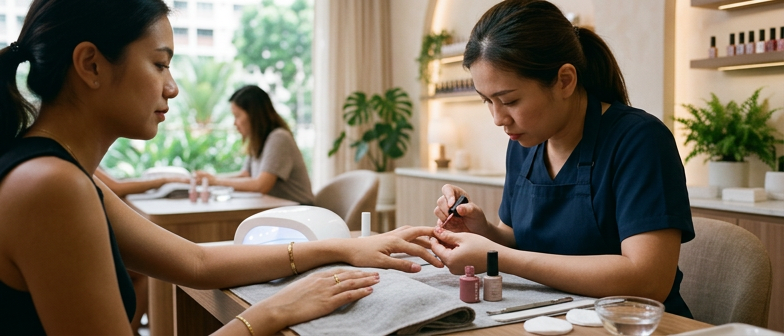
People choosing manicure services in Singapore often decide between classic, gel and shorter express sessions. A classic manicure focuses on nail shaping, cuticle care and basic polish and suits those who prefer a simple, lower maintenance look. Gel manicures use longer lasting products cured under a lamp, so they are common among people who want their nails to stay neat for work or events with fewer touch ups. Express options are brief appointments that cover basic trimming and colour for clients who only have a short break between other activities and may search specifically for quick services nearby.
Besides style, many clients compare salons by hygiene practices, range of services and how prices are presented. A clean, well ventilated space with disinfected tools and tidy workstations helps reduce infection risk, especially when cuticles are trimmed or the skin is broken. Online listings can show nearby studios, but it is still useful to read reviews for comments on cleanliness and to confirm what each package includes, since manicure types and prices differ. Some outlets list base fees before goods and services tax, while others show totals with tax included, so checking the price breakdown in advance can prevent confusion at payment.
Classic manicures focus on shaping, cuticle care and regular polish. They are usually cheaper, with polish air dried, and are suited to short term wear or for people who like to change colours often. Chips may appear sooner, especially with frequent hand use. Gel manicures use gel polish cured under UV or LED light to create a glossier, more durable finish that can stay neat for longer. Because gel is applied and cured in layers, appointments typically take more time than classic sessions, and detailed nail art designs can further extend the visit. Choosing between classic and gel often depends on how long you want the result to last, your nail condition and how much time you are comfortable spending in the salon.
Removal is a key difference with gel services. Gel usually needs to be soaked off or carefully filed by trained staff to limit damage to the natural nail, so many salons plan gel removal and a new manicure in one appointment. This combined booking takes longer than a simple classic polish change and removal may be charged as a separate service, particularly if the original gel was applied elsewhere. Nail art can be added to either type, but complex patterns or layered designs often work more smoothly on gel because the curing process gives technicians time to refine each step. When comparing manicure types, it helps to consider appointment duration, how often you are willing to return for upkeep and whether you prefer long lasting wear or easier changes.
| Manicure type | Wear duration preference | Maintenance effort | Nail art suitability | Ideal user profile |
|---|---|---|---|---|
| Classic manicure | Short wear, frequent changes | Low, simple home removal | Basic or minimal designs | Prefers flexibility and quick visits |
| Gel manicure | Longer wear, extended neat look | Higher, needs salon removal | Complex, layered nail art | Values durability and polished finish |
| Classic with nail art | Event focused, temporary look | Moderate, watch for faster chipping | Detailed but less durable | Occasional special occasions |
| Gel with nail art | Long wear for busy schedule | Higher, longer combined appointments | Intricate, refined step by step | Busy work lifestyle, fewer touch ups |
When comparing a classic manicure with gel, the main differences are how long it lasts, how it feels, and how much care it needs afterward. Regular polish usually stays neat only a few days but is quick to remove at home and suits people who like changing colour often or keeping a natural look for work. Gel is cured under a lamp to create a tougher, glossier finish that can stay tidy for two to three weeks but needs careful salon removal to protect the nails and surrounding skin.
If you pick a gel service, it helps to plan for both removal and appointment length. Salons often need extra time to soak off old gel, shape the nails, and apply a new set, so the visit can be longer than a basic polish change. When booking, it can be useful to confirm whether the slot includes gel removal and to ask how long the therapist expects based on design and add ons, so you can avoid rushing and support better nail condition.
For manicure services, hygiene standards matter as much as colour and design. When comparing salons that look clean and well kept, notice a tidy reception area, dry floors, covered bins and good ventilation without harsh chemical odours. Tools that touch skin or nails should be sterilised between clients or used only once and then discarded. Fresh towels or disposable liners for basins help limit germ transfer, and staff should wash or sanitise their hands before working on each new client.
Keeping a simple hygiene checklist in mind can make visits safer. Look for metal tools stored in closed containers after disinfection, files and buffers replaced when worn, and technicians avoiding overly aggressive cutting of skin. Any cuts, broken skin or bleeding should be cleaned and covered before continuing, or the service should be postponed. Reputable salons are usually open about their cleaning routines and can explain how they disinfect tools and equipment when asked.
Nail health checks are equally important, especially if you suspect an infection before a manicure. Discolouration, thickening, crumbling edges, pain, swelling around the nail or unusual discharge may signal a fungal or bacterial problem. In these situations, it is safer to see a doctor before cosmetic treatment, because filing or cutting an infected nail can worsen the condition or spread it. A brief self check before booking, together with attention to salon hygiene, helps protect you and other clients.
| Checklist Item | What To Observe | Risk Level If Missing | Action Before Manicure |
|---|---|---|---|
| Salon cleanliness | Tidy reception, dry floors, covered bins | Medium | Consider another salon |
| Tool disinfection | Sterilised metal tools, single‑use files | High | Postpone and ask about hygiene |
| Staff hand hygiene | Hand washing or sanitiser before each client | Medium | Request hand cleaning first |
| Skin and cuticle condition | No cuts, broken skin, active bleeding | High | Delay manicure until healed |
| Possible nail infection | Discolouration, thickening, pain, swelling | High | Seek doctor check before manicure |
Before booking a manicure, check nails and surrounding skin for discolouration, thickening, crumbling edges, lifting from the nail bed, or persistent odour. Also note redness, swelling, warmth, shiny tight skin, pus, or pain when you press on the nail or cuticle, as these can indicate infection or other problems.
If you notice these signs, postpone the manicure and ask a doctor to examine your hands instead of requesting the salon to work around the issue. A medical professional can identify the cause, advise on treatment, and suggest when it is safer to return. Tell your manicurist about past or current nail infections and follow medical guidance on hygiene and wound care.
When comparing manicure types and prices, salons usually distinguish basic grooming, such as a classic manicure, from more time‑intensive options like gel finishes or detailed nail art. Fees are quoted per service and can vary with nail length or add‑ons such as exfoliation, hand masks or paraffin care. Some salons set a different price for men if thicker nails or more cuticle work require extra time, while others keep one menu and adjust only the appointment duration. Reading the service description carefully helps you see whether it covers simple nail shaping and polish or a fuller spa‑style manicure, which is generally more expensive.
In Singapore, manicure prices need to be considered together with Goods and Services Tax, because the amount on the menu may not be the final total. Certain salons display prices that already include GST, while others list a before‑tax figure and add the 9 per cent at payment, so checking whether GST is built in improves cost planning. When budgeting, it is useful to look at the overall expense of different manicure options, including removal of old gel, and how often appointments will be scheduled. Adding GST, transport and any surcharges for changes or peak‑hour bookings gives a clearer picture of how regular manicures fit into personal care spending.
What is the difference between a classic manicure and a gel manicure?
Classic manicures use regular polish that air‑dries, removes easily at home, and usually lasts a few days. Gel manicures use polish cured under UV or LED light, look glossier, and often last two to three weeks, but removal is recommended at a salon to reduce nail damage.
How long does a gel manicure with nail art usually take?
A standard gel manicure is often about 45 to 60 minutes. Adding detailed nail art can extend the visit to roughly 75 to 90 minutes because designs need careful application and curing between layers.
What hygiene checks should I make in a nail salon before a manicure?
Look for clean workstations, dry floors, covered bins and good ventilation. Tools that touch skin or nails should be disinfected or single‑use, and each client should get fresh towels or disposable liners for bowls or basins.
Do I need a doctor’s check if I suspect a nail infection before a manicure?
Yes. If you notice discolouration, thickening, crumbling, lifting, odour, or painful redness and swelling around the nail, it is safer to see a doctor first and postpone salon treatments until the condition is assessed.
How are different manicure types and prices usually listed, including for men?
Salons typically list prices by service, with basic grooming cheaper than gel or spa options. Some use the same price for men and women but adjust appointment time, while others may charge differently if extra work is required.