
x
Choosing commercial cleaning services for clinics, shops and industrial sites often means balancing infection control, safety compliance and realistic costs. This overview helps you compare clinic disinfection quotes, assess industrial and food‑service cleaning plans, and verify NEA licences, bizSAFE status and PWM‑compliant providers.
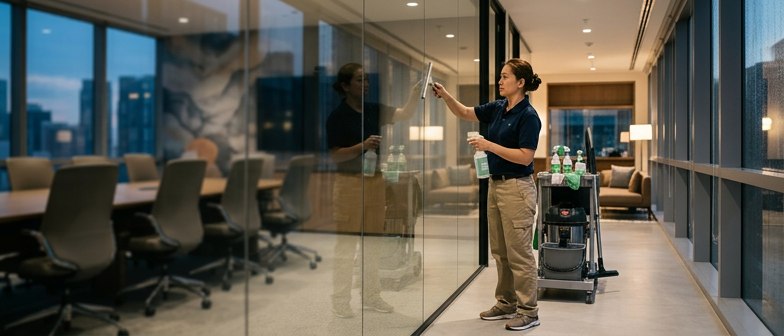
Commercial cleaning services support workplaces such as offices, shops, clinics and industrial sites by keeping them hygienic, safe and presentable. Typical office and retail tasks include dusting, vacuuming, washroom cleaning and waste handling, with occasional deep cleaning for carpets, upholstery and high‑touch surfaces. Healthcare premises usually follow defined disinfection procedures, separation of clean and contaminated areas and controlled management of clinical waste to lower the risk of cross‑infection. On industrial sites, services may extend to warehouse floor scrubbing, production area cleaning and support during planned shutdowns. A structured plan links daily housekeeping, scheduled deep cleaning and specialised work such as window or kitchen exhaust cleaning so that hygiene is maintained without disrupting business operations.
For local businesses, service selection also depends on safety and regulatory compliance. A cleaning contractor with recognised workplace safety certification, such as bizsafe tiers, signals that risk assessment and safety management systems are in place for tasks involving chemicals, machinery or work at height. Firms that follow a progressive wage framework for cleaners typically reflect local labour standards and training requirements, which can influence service consistency and worker protection. Environmental and public health licensing sets baseline obligations and helps property managers confirm that key criteria have been met. When commercial cleaning is organised around these compliance factors, it supports occupational safety, protects staff and visitors and clarifies responsibilities if hygiene concerns or accidents occur.
When engaging commercial cleaning services, businesses need to understand core regulatory requirements that apply to cleaning companies. A key step is verifying that the provider holds a valid cleaning business licence issued by the National Environment Agency, which indicates that the company has met baseline conditions on management, training and operational standards. Many organisations also look for contractors that are certified under the bizSAFE programme, as this signals that the company has implemented a structured workplace safety and health management system. For clients, checking licensing and safety credentials upfront reduces the risk of non‑compliance during audits and supports safer day‑to‑day operations at offices, shops, clinics and industrial sites.
Beyond licensing and safety, industry standards increasingly focus on fair employment and pay structures. Cleaning firms that state they are aligned with the Progressive Wage Model are expected to follow sectoral guidelines on minimum wages, training and career progression for their cleaners, subject to the latest regulatory updates. Choosing a provider that complies with these wage requirements can help businesses meet their own internal sustainability or social responsibility policies and avoid mismatches with labour regulations. Before signing a contract, organisations can ask for documentation on NEA licence status, bizSAFE level and adherence to current Progressive Wage Model requirements, then compare this information across several contractors to make an informed, compliant selection.
| Compliance Check Item | What to Look For | Risk Level if Missing | Best Fit Use Case | Suggested Action |
|---|---|---|---|---|
| NEA Cleaning Licence | Valid, current licence record | High | Clinics, food outlets, multi‑site offices | Use official tools to verify status before appointment |
| BizSAFE Certification | Documented safety and health system | Medium to High | Industrial facilities, high‑risk cleaning tasks | Confirm bizSAFE level and scope against work risk |
| PWM Compliance Statement | Policy on wages, training, progression | Medium | Long‑term contracts, socially responsible buyers | Request written confirmation of current PWM alignment |
| Training and Audit Records | Recent staff training and internal audits | Medium | Healthcare, high‑traffic commercial premises | Review samples of logs to assess operational consistency |
| Cross‑Contractor Comparison | Side‑by‑side compliance checklist | Variable | Tender evaluations, renewals, multi‑year agreements | Score providers on licence, safety, wage practices before selection |
Before appointing any commercial cleaning services, confirm that the contractor holds a valid cleaning business licence and appropriate safety certifications. Use the National Environment Agency’s online tools to check the licence status by business name or registration number, ensuring it is current and not suspended. For workplace safety, verify Bizsafe certification through official directories and confirm that the certification level is suitable for the type of work, such as higher risk industrial cleaning or clinic disinfection. Keeping dated records of these verifications and repeating the checks before renewing long term contracts helps reduce compliance problems and supports safer operations at the premises.
Cleaning for clinics and other healthcare premises focuses on infection prevention rather than only appearance. Operators usually expect contractors to follow health and environmental authority guidelines on environmental hygiene, with clear procedures for surface disinfection, waste handling and support for hand hygiene. When asking for a clinic disinfection service quote, it helps to confirm which disinfectants will be used, their concentration and required contact time on high touch areas such as consultation rooms, treatment chairs, door handles and payment counters. Clinics also review how routine cleaning and periodic intensive disinfection are scheduled, especially during periods of higher respiratory illness activity, and whether cleaning staff are trained to respond after incidents involving bodily fluids or other contamination.
To compare clinic cleaning services systematically, many operators start with regulatory compliance, then examine practical service details. They may verify that the cleaning business holds any required licence from the environmental authority and that supervisors understand relevant healthcare protocols. Experience with similar sized clinics, ability to work around patient traffic, incident reporting processes and insurance arrangements are common points of comparison. Some clinics use simple tables to weigh elements such as price, scope of disinfection, availability of support during disease outbreaks and clarity of service documentation. Quotations that separate labour, materials and specialised disinfection tasks can make options easier to review and help align the chosen service level with clinical risk, patient expectations and budget limits.
When reviewing a clinic disinfection service quote, decision makers can compare how often disinfection is done, which areas are treated and what methods or chemicals are proposed. It is also useful to examine whether the cleaning provider offers clear checklists, incident reporting and records such as service reports or photos. Comparing these elements with the clinic’s infection control policies and relevant health or environmental guidelines helps assess whether different cleaning service proposals offer suitable protection, instead of focusing only on the lowest price.
Customer-facing shops and food outlets typically need both occasional intensive cleaning and routine upkeep to maintain hygiene and a professional appearance. One-off shop cleaning is often arranged before opening, after renovation, or following a busy sales period, and may cover floor care, dusting of fixtures, cleaning of glass surfaces, and attention to high-touch points such as payment counters and door handles. The duration of a deep clean depends on shop size, layout, level of dirt, and whether shelving or display units need to be moved, so service providers may conduct a brief site walkthrough before confirming how long the team will need. In multi-tenant commercial buildings, coordination with building management on access hours, waste disposal areas, and safety rules helps ensure that intensive cleaning does not disrupt neighbouring businesses.
Restaurants, cafés, and takeaway counters often rely on scheduled cleaning arrangements to support food safety and internal hygiene standards. A monthly restaurant cleaning plan can include periodic deep cleaning of dining areas, detailed work on kitchen floors and walls, degreasing of selected equipment exteriors, and cleaning of ventilation grilles or accessible hood surfaces, while daily routines handled by in-house staff focus on spill control and sanitising preparation areas. When considering recurring services, operators usually review how tasks are divided between staff and external cleaners, whether the cleaning plan aligns with inspection checklists, and how work can be scheduled during off-peak hours to reduce disturbance to diners. Clear documentation of scope, frequency, and any special requirements, such as use of food-safe chemicals or protection of sensitive equipment, supports consistent hygiene in both customer areas and back-of-house spaces.
What should local businesses look for when choosing commercial cleaning services?
Check experience with similar premises, clear task lists, NEA cleaning licence, relevant insurance, and whether they can plan around your operating hours to minimise disruption.
Why does a bizSAFE‑certified cleaning contractor matter for industrial sites?
bizSAFE certification indicates the company follows a structured workplace safety and health system, which is important for higher‑risk tasks such as industrial cleaning and shutdown support.
How can a clinic compare different disinfection service quotes effectively?
Compare scope, frequency, disinfectant types and contact times, targeted areas, staff training, and how the provider documents work through checklists, reports or photos, not just price.
What affects the duration of a one‑time deep cleaning for a shop?
Key factors are shop size, layout, amount of clutter, degree of soiling, and whether fixtures must be moved. A brief site walkthrough helps the provider estimate realistic timing.
How can I verify that a cleaning company is PWM compliant and properly licensed?
Use official NEA licence search tools and government or industry directories to confirm licence status and Progressive Wage Model compliance, then keep dated records for audit purposes.