
x
Whether you’re comparing auto loans for a new model, weighing used car finance, or worried about bad‑credit offers, car loans can be confusing. This guide helps you judge rates, terms, and total costs so you can apply for a car loan more confidently and safely.
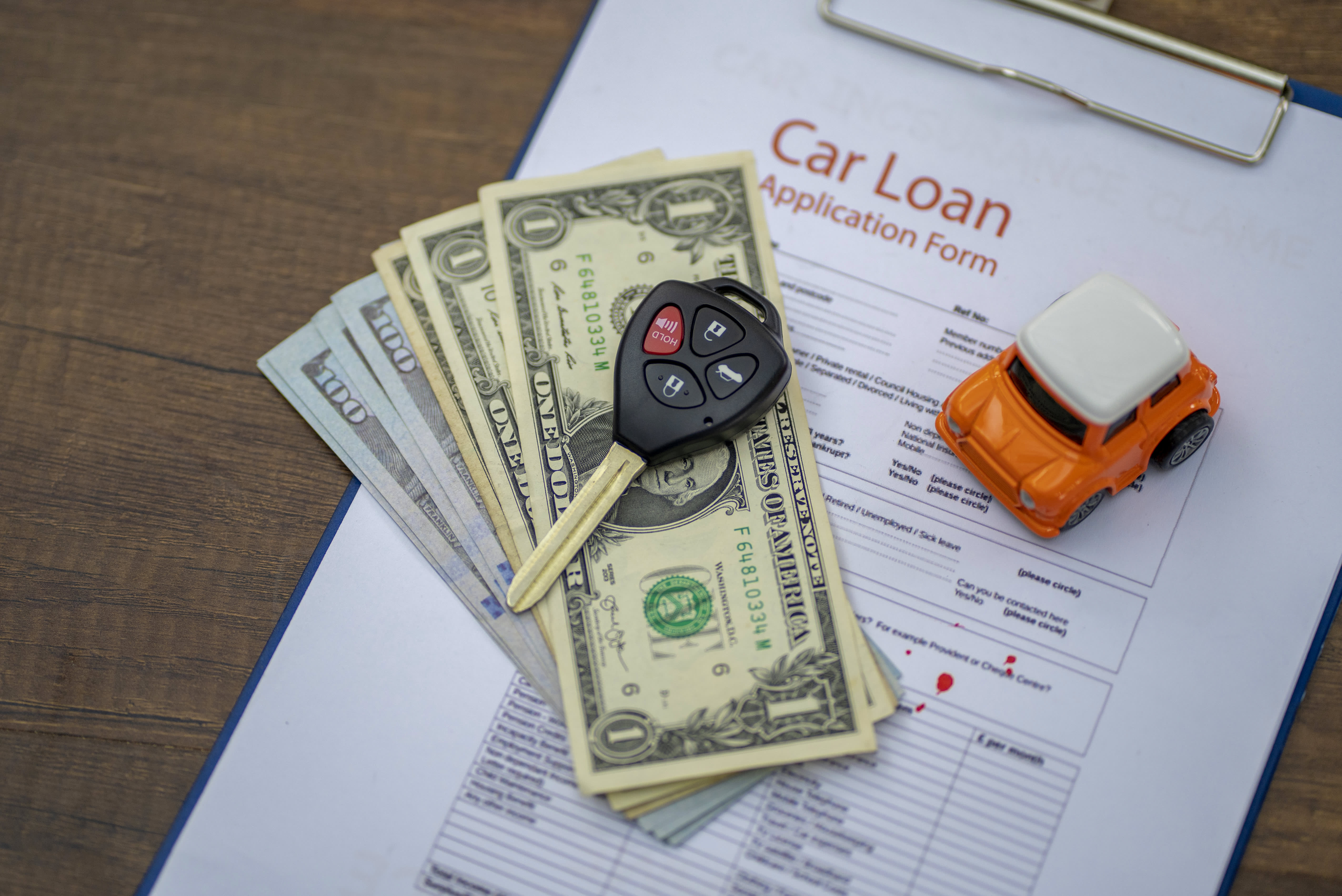
A car loan is a type of installment credit that lets you spread the cost of a vehicle over time. The lender pays the seller, and you repay the lender in fixed monthly amounts until the balance and interest are cleared. Key elements include the loan amount, interest rate, term length, and any fees. Interest is usually fixed for the whole term, and the annual percentage rate shows the overall borrowing cost. auto loans are secured against the vehicle, so the lender may repossess the car if payments fall seriously behind, and you can still owe money if the does not cover the remaining balance.
Each repayment combines principal and interest, with a larger share of interest typically charged earlier in the term. When you for a car loan, lenders usually review your credit history, income, existing debts, and details of the vehicle to judge affordability. In countries such as the United States, Canada, and the United Kingdom, this involves checking credit reports from major bureaus and comparing your budget with the expected monthly payment. Car loan rates and approval terms differ among banks, credit unions, finance companies, and dealer finance, so many borrowers compare several offers before choosing.
A common way to fund a vehicle is a traditional auto loan from a bank, online lender or credit union. You borrow a set amount, repay it with interest over a fixed term and own the car when the balance is cleared. These loans can cover both new and used cars, and the rate is usually influenced by your credit history, income, repayment period and the vehicle’s age. Many buyers seek preapproval so they know their likely limit and can compare this offer with any finance package suggested by a dealer.
Dealership or manufacturer finance may include promotional features such as temporarily low rates or model-specific discounts, mainly on new vehicles. The headline offer does not always reflect the lowest overall cost, so it is important to review the annual percentage rate, fees and loan length. Longer terms can reduce monthly payments but increase total interest paid. Checking a dealer quote against a bank or credit union offer for the same amount and term can show which is more economical and lets you negotiate the car price separately from the financing.
Leasing is an alternative to car ownership where you pay to use the vehicle for a set period. Monthly instalments are often lower than on a comparable loan, but leases usually limit mileage, restrict modifications and may include charges for excess wear. At the end, contracts may allow you to return the car, extend the lease or buy it at a preset price. Choosing between a loan, dealer finance or a lease depends on how long you expect to keep the car, how much you drive, your credit profile and whether owning the vehicle outright matters to you.
| Car finance option | Ownership at end of term | Monthly payment level | Flexibility and restrictions | Best suited for |
|---|---|---|---|---|
| Bank or credit union auto loan | Full ownership | Medium to high | High flexibility, few usage limits | Drivers planning long‑term ownership |
| Online lender auto loan | Full ownership | Medium | Flexible terms, varies by lender | Borrowers comparing multiple Auto Loans |
| Dealership or manufacturer finance | Full ownership | Medium | Linked to specific New Car Financing offers | Buyers using promotions on new vehicles |
| Traditional lease | No automatic ownership | Low to medium | Mileage caps, wear charges, limited changes | Drivers wanting newer cars with lower payments |
Financing a new car often comes with lower advertised interest rates, promotional incentives and longer repayment terms, because the vehicle is easier for lenders to value and resell. New models usually include manufacturer warranties and newer safety or fuel‑efficiency technology, which can reduce repair uncertainty early in the loan. However, new vehicles generally cost more and depreciate quickly, so a small down payment can increase the chance of owing more than the car is worth during the first years.
Loans for used cars typically have higher rates and shorter terms, reflecting age, mileage and limited service records, and lenders may set limits on vehicle age or distance driven. The purchase price is usually lower and depreciation slower, which can improve affordability if the car is mechanically sound. When comparing options, it helps to look beyond the monthly payment and consider the total cost of ownership, including interest, expected maintenance, insurance and likely reale value at the end of the term.
The interest rate on a car loan is a major driver of how much you ultimately pay, because it determines the finance charges added to the vehicle price. Lenders usually quote an annual percentage rate, or APR, which combines interest with certain mandatory costs so different auto loans can be compared more easily. The APR you are offered depends on factors such as your credit history, income, existing debts, the vehicle’s price and age, and whether you are buying a new or used car. Broader market conditions, including rates and competition between lenders, also affect typical car loan rates and cause offers to change over time.
Loan term, down payment, and fees work together with the rate to shape the total cost of borrowing. A longer term can lower the monthly payment but usually increases the overall interest paid, while a shorter term has higher instalments but can reduce total charges and help you build equity faster. A larger down payment means you borrow less, which may lower both monthly payments and lifetime interest costs, and can influence the rate offered. Upfront expenses such as documentation fees, optional products, and taxes add to the amount financed if they are included in the loan instead of paid in cash, so it is useful to review the total of all scheduled payments rather than focusing only on the monthly figure.
Lenders rely on your credit history when setting car loan offers because it signals how likely you are to repay on time. A higher score and a record of punctual payments usually mean lower perceived risk, which can lead to more favorable car loan rates, smaller down payments, and more flexible repayment terms. When reports show late payments, collections, or recent bankruptcies, a lender may still approve an auto loan but respond with higher interest, shorter terms, or tighter conditions.
Different lenders measure risk in different ways, so borrowers with similar credit scores can receive unequal car finance offers. Some lenders focus on applicants with limited or damaged credit and design bad credit car loans with higher rates and more rules, while others target people with strong records. Income stability, existing debts, and the vehicle’s age also influence offers, so comparing several quotes can clarify how your history affects the total cost.
Before you for a car loan, review your credit reports and scores so you have a sense of how lenders may assess your application and set the interest rate. Decide on a realistic budget that covers the monthly payment, insurance, fuel, maintenance, taxes, and fees, and use this limit when comparing banks, credit unions, and dealer Auto Loans. Look at the annual percentage rate, total cost, term length, and any prepayment penalties or extra charges instead of judging offers only by the monthly amount. When aplying online or in person, check that the site or form is genuine, uses secure connections, and explains how your personal data will be handled.
Once you receive a Car Loan offer, read the agreement slowly and confirm that the rate, term, vehicle price, trade‑in value, and any optional products match what you discussed. Ask about fees, late charges, and whether approval depends on buying extras such as extended warranties or credit insurance, and take time to think if anything is unclear. Be wary of promises of guaranteed approval, requests to exaggerate your income, or pressure to sign blank or incomplete documents, as these are warning signs of abusive lending. Keep copies of all papers, and if you notice mistakes or suspect unfair terms, contact the lender, a consumer protection body, or a legal adviser before you proceed.
How does a typical car loan work from start to finish?
A lender pays the seller for the vehicle, then you repay the lender in fixed monthly installments covering principal and interest until the agreed term ends.
What should I compare when looking at different car finance options?
Focus on APR, total repayment amount, loan term, fees, and whether the finance is secured against the car, rather than only the monthly payment.
What is the main difference between new car financing and used car loans?
New car financing often offers lower promotional rates and longer terms but on a higher price, while used car loans may have higher rates on a cheaper, faster‑depreciating vehicle.
How does my credit history affect the car loan offer I receive?
Stronger credit with consistent on‑time payments usually leads to lower interest rates, more flexible terms, and smaller required deposits than a record with recent issues.
What should I do to for a car loan safely with bad credit?
Check your credit reports, set a realistic budget, compare multiple lenders that consider lower scores, and submit applications only through secure, clearly identified websites or branches.