
x
If basement walls turn damp after rain or show musty, peeling surfaces, waterproofing can protect both structure and air quality. This guide compares interior and exterior fixes, key process steps, contractor checks, project timelines, and common financing options like HELOCs or personal loans.
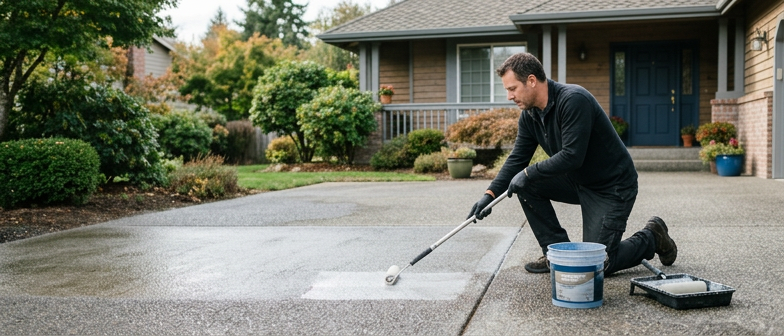
Waterproofing is about keeping unwanted moisture out of spaces where it can quietly cause damage, and the basement is one of the most exposed areas. Because it sits below grade, it constantly contacts wet soil and changing groundwater, so you may notice water on basement walls after rain or snowmelt. Even small leaks or damp patches are early basement moisture damage warning signs, including musty odors, peeling paint, or efflorescence on concrete. Over time, trapped moisture encourages mold, wood rot in framing, and deterioration of masonry or concrete, which can affect both indoor air quality and the building’s structural integrity. Addressing these issues early with proper waterproofing helps reduce repair costs and protect long‑term home value.
Basement waterproofing also matters because water around and under the foundation can build up into hydrostatic pressure. Typical basement hydrostatic pressure signs include bowing walls, recurring seepage along floor‑wall joints, or cracks that open wider during wet seasons. This pressure forces water through small gaps in walls, around pipes and cables, or up through the slab. If the cause is ignored, repeated wetting and pressure can slowly weaken the foundation and increase the risk of serious structural problems. Thoughtful moisture control, such as improving exterior drainage and sealing or lining interior surfaces, helps relieve that pressure and keeps the basement dry enough for safe storage or living space.
Homeowners usually notice early basement moisture damage warning signs after storms. Water streaks, damp patches, or a dark wet line on basement walls after rain show that outside moisture is getting in. Efflorescence, the white chalky film on concrete or masonry, means water has moved through the wall and left minerals behind. Peeling paint, bubbling coatings, or flaking drywall near the floor that come back after repairs are further clues that moisture is present and not just a surface issue.
More serious basement hydrostatic pressure signs appear when groundwater builds up around the foundation. Cracks that widen, bowing or bulging walls, and mortar joints pulling apart all suggest pressure from saturated soil. Water may seep through cracks at the cove joint where the wall meets the floor, and floor slabs can heave or settle unevenly. These conditions indicate that groundwater is pushing hard against the structure and usually require a professional waterproofing inspection rather than cosmetic patching.
Even where a waterproofing system already exists, problems can develop if the barrier fails. Basement waterproofing membrane failure signs include new damp spots in previously dry areas, blistering or separating sections of a membrane, and recurring musty or moldy odors despite running dehumidifiers. If wall coverings hide the foundation, watch for baseboard swelling, stained carpet edges, or rusting metal near the floor. These subtle changes can signal that the waterproofing layer is no longer working and that it is time to consult a qualified contractor before structural damage or indoor air quality issues grow worse.
| Warning Sign | Likely Cause | Risk Level | Action Type | Suggested Response |
|---|---|---|---|---|
| Wall water streaks after rain | Surface seepage through porous wall | Medium | DIY monitoring | Track storms, photograph damp areas |
| Efflorescence and peeling paint | Ongoing moisture migration in masonry | Medium | DIY plus consult | Clean, repaint cautiously, schedule evaluation |
| Widening cracks or bowing wall | Hydrostatic pressure on foundation | High | Professional inspection | Stop cosmetic repairs, call waterproofing contractor |
| Floor heaving or cove joint seepage | Groundwater pushing under slab | High | Professional inspection | Request structural and drainage assessment |
| New damp spots over existing membrane | Basement waterproofing membrane failure | High | Professional inspection | Have system checked and repair plan proposed |
| Musty odor, swollen baseboards | Hidden moisture behind finishes | Medium to high | DIY monitoring then pro | Pull back small sections, seek expert if damage appears |
Hydrostatic pressure builds when groundwater collects around the foundation and pushes against basement walls, especially after heavy rain. Common signs include damp bands on the wall, hairline cracks that darken with moisture, seepage at the wall–floor joint, bowed walls, flaking concrete or mortar, and water forced through small gaps in an exterior foundation waterproofing membrane.
When a basement waterproofing membrane starts to fail, the warning signs are usually repetitive and localized. You may see water following the same path after storms, blistering or peeling interior coatings, and wet patches that line up with membrane seams or penetrations, often with musty odors and white mineral staining. These patterns show the barrier is no longer continuous and needs repair before pressure creates larger leaks.
Comparing interior and exterior basement waterproofing starts with how water reaches the foundation. Interior work focuses on moisture that has already passed through walls or the slab, using sealants, coatings, interior drainage channels, and sump pumps to move leaks away from finished areas. Exterior strategies try to block water before it enters by improving grading and gutters and adding a foundation waterproofing membrane and exterior drains around the footing. Both options fit into a broader basement waterproofing process, and the right mix depends on whether you are dealing with light seepage or persistent wet conditions.
Interior waterproofing is common when the basement is finished or excavation is impractical. Typical steps include cleaning and patching cracks, applying cementitious or vapor-barrier coatings, and cutting a shallow trench at the perimeter to install interior drains that feed a sump pump. These interior wall treatments are usually completed within a few days, although large basements or existing moisture damage can extend how long the waterproofing work takes. Because the work happens indoors, it can often be staged in sections to reduce disruption.
Exterior basement waterproofing focuses on the outside face of the foundation so soil moisture stays away from the wall. Contractors excavate to the footing, repair cracks, install an exterior foundation waterproofing membrane, and add or upgrade footing drains wrapped in filter fabric to carry water away from the structure. These exterior process steps usually take longer than interior-only methods because excavation, backfilling, and restoring landscaping or hard surfaces are involved. Depending on site access, soil conditions, and weather, full exterior waterproofing often ranges from several days to a couple of weeks.
A typical basement waterproofing project starts with a detailed inspection to understand why you are seeing moisture problems, such as water seeping through basement walls after heavy rain. The contractor looks for cracks, staining, peeling paint, efflorescence, and hydrostatic pressure signs like bowing walls or wet floor-wall joints. Based on this diagnosis, they design a plan so the main process steps match the actual source of water rather than just the symptoms.
Once the plan is set, crews follow a defined sequence of work, often beginning with interior prep, then drainage and waterproofing installations, and ending with cleanup and testing. Common tasks include cutting a trench along the slab edge, installing drain tile, adding a sump system, and sealing basement walls from the inside when appropriate. Depending on basement size and problem complexity, this work can take from one long day to about a week, with more time needed if structural repairs or exterior excavation are included.
When you start looking for waterproofing companies near you, verify credentials before comparing prices. Confirm that the contractor is licensed, insured, and bonded for residential work, and use the license number to check records with local authorities. Ask for recent local references and call them to learn whether the crew was reliable, explained the basement waterproofing process steps, and handled basement wall water appearing after heavy rain. A solid company should describe how their systems manage hydrostatic pressure instead of only patching visible cracks.
During estimates, ask how they choose materials and how they watch for basement waterproofing membrane failure signs, such as recurring damp spots, peeling coatings, or seepage lines returning on interior walls. Have them explain when they recommend interior methods, exterior foundation waterproofing membranes, or a combined approach for your moisture pattern. Insist on a detailed written contract that lists scope of work, products, schedule, payments, and warranty terms, including what happens if the membrane fails or new leaks appear. If a contractor resists clear documentation or pressures you to sign quickly, treat that as a warning and keep looking for a more transparent professional.
What are the first warning signs that my basement needs waterproofing?
Musty odors, peeling paint, efflorescence, and water streaks or damp bands on basement walls after rain are early basement moisture damage warning signs.
How long does a typical basement waterproofing project take?
Most residential projects take 2–5 days, depending on crack repairs, drainage work, and whether both interior and exterior waterproofing steps are required.
How can I verify that a waterproofing contractor is trustworthy?
Confirm licensing, insurance, and bonding, check the license with local authorities, and call recent clients to ask how the contractor handled leaks and explained the process.
What are the main steps in the basement waterproofing process?
The contractor inspects for moisture and hydrostatic pressure, repairs cracks, installs interior drainage or sump systems, and may add an exterior foundation waterproofing membrane and footing drains.
Can I use financing like a HELOC or personal loan for basement waterproofing?
Yes. Many homeowners use a home equity line of credit or a personal loan to spread the cost of basement waterproofing, especially for larger jobs that include membrane and drainage work.