
x
When you search for a Balinese massage near you, it’s not just about distance—it’s about relief for stiff neck and shoulders, timing, and safety. This guide helps you judge whether a 90‑minute session is worthwhile, how early to book and arrive, and how to check therapist certification and shop licences.
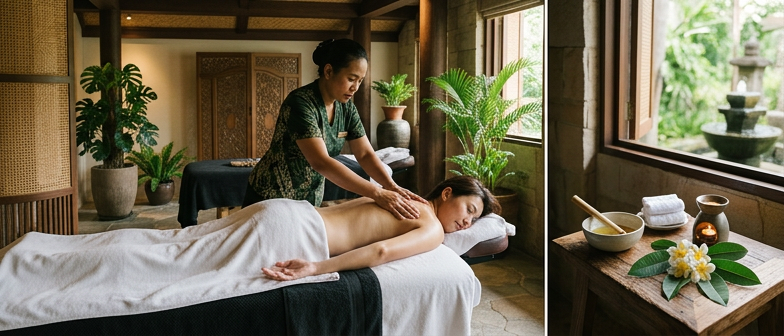
Balinese massage is a traditional technique that blends elements of Indonesian, Indian and Chinese bodywork, and it generally focuses on both relaxation and improving circulation. Therapists usually work with firm, rhythmic strokes along the muscles, combined with kneading, gentle stretching and pressure on specific points to encourage blood flow and ease tension. Warm, aromatic oils are often used so the movements feel smoother and more soothing, supporting a calm, spa‑like atmosphere. Because the style combines deeper work with flowing motions, it can feel more intensive than a very light massage, which is why many people choose it for stress relief and noticeable muscle loosening during a longer session such as a ninety‑minute appointment.
In many sessions, particular attention is given to areas that commonly feel tight, especially the neck, shoulders and upper back, because this approach is often selected by people with stiffness from desk work or daily strain. A practitioner may gradually build pressure along the shoulder blades and the base of the skull, then add stretches for the chest and arms to reduce the feeling of being hunched. A longer treatment can allow more time to cover these zones, but how helpful it is depends on individual sensitivity, any existing pain conditions and how clearly needs and limits are discussed before the massage starts. Balinese massage does not replace medical care, yet when provided by a trained professional and adjusted to the person’s comfort level, it is commonly used as a way to unwind while targeting muscular tightness in the upper body.
| Massage Style | Pressure & Techniques | Main Focus Areas | Session Experience | Suitable For |
|---|---|---|---|---|
| Balinese Massage | Firm rhythmic strokes, kneading, stretches, point pressure | Neck, shoulders, upper back, overall circulation | Flowing, oil‑based, relaxing yet intensive | Stress relief, stiff neck and shoulders, longer 90‑minute sessions |
| Swedish‑Style Relaxation | Light to medium gliding strokes, gentle kneading | Whole‑body relaxation, surface muscle comfort | Very soothing, slower pace, less intensity | First‑time spa visitors, general unwinding, low pain tolerance |
| Deep Tissue‑Oriented | Slow, targeted pressure on deeper layers | Persistent knots, specific muscle groups | More intense, focused, may feel discomfort | Chronic tightness, athletes, experienced massage clients |
| Aromatherapy‑Focused | Light touch with essential oils | Mood relaxation, nervous system calming | Delicate, sensory, fragrance‑centred | Mental fatigue, sensitivity to pressure, short gentle sessions |
A 90‑minute Balinese massage is most useful when you have ongoing tension in the neck, shoulders, and upper back or feel mentally exhausted. The longer time lets the therapist move from broad relaxing strokes into more detailed work on stiff areas without rushing. People who sit at a desk for many hours often choose this duration to give muscles more time to release, though how much relief you feel still depends on posture, daily activity, and how regularly you receive massage.
Before booking a longer session, consider how your body and schedule will handle it. You usually need to arrive a little early for intake forms, a short discussion of problem areas, and changing, so the full 90 minutes can be used for hands‑on work. If you tire easily, have health issues, or are new to massage, starting with a shorter appointment first can help you see how comfortable you are with the pressure and length of time on the table.
When looking for Balinese massage nearby, start with online maps and review platforms that show walking distance from your home, office, or usual station. Many tools estimate walking time, helping you see whether a visit fits into a lunch break or after‑work slot. Check the streets between you and the massage shop, including lighting, crossings, and general safety, as well as nearby food or coffee options if you like to rest or eat after a session. Recent reviews can add detail on building access, noise from the street, and how comfortable people feel walking there at different times of day, so your choice is guided by daily routine and comfort rather than distance alone.
Opening hours matter as much as how far you need to walk. If you want a place that is open immediately, confirm whether they accept walk‑ins or usually work by appointment. Some small massage shops focus on daytime schedules, while others stay open into the evening or weekends, so checking their timetable helps you avoid unnecessary trips. Before heading there after work, compare your finish time with the walking duration and add a short buffer for lifts, reception, and any forms. Considering weather, rush‑hour crowds, and entry arrangements can show whether walking to that location is realistic at the time you prefer, allowing you to arrive calm and ready for the massage.
When you look for a Balinese massage near your home or workplace, check current opening hours on the spa’s website or booking app instead of relying only on map listings, which may miss temporary changes. If you want a same‑day session, use online booking or live chat to confirm a therapist is available, as walk‑in evening slots are often already reserved. Choosing a place within easy walking distance reduces travel stress and makes it simpler to arrive a little early to complete any forms, use the restroom, and settle in so you can focus on relaxing during your 60‑ or 90‑minute treatment.
For a 90‑minute Balinese massage, longer sessions usually need more careful booking because they occupy the room and therapist for a bigger block of time. If you want a weekend evening or straight after work, many people reserve several days ahead, and busy holiday periods may require one to two weeks’ notice. Same‑day appointments are often easier in late morning or weekday afternoon, when some outlets may still accept walk‑ins or short‑notice bookings. If you are considering a package of around ten sessions, ask whether you can schedule several dates at once, how flexible rescheduling is, and whether missed appointments reduce the number of usable sessions.
Arrival time can change how relaxed the experience feels. Many massage outlets suggest arriving about ten to fifteen minutes before the stated start so you can complete health or consent forms, talk through any neck or shoulder concerns, choose pressure level, and use the restroom. If you arrive exactly at the appointment time, these steps may be taken out of the massage period, especially when the venue follows a strict schedule for 90‑minute sessions. When you book, clarify whether the timing is counted from the appointment slot or from when you lie down in the treatment room, and ask what happens if you are late, so you know how early you need to be on the day.
Many studios treat weekday afternoons as off‑peak, so Balinese massage at these times may be cheaper than evenings or weekends. For a 90‑minute session, booking about one to two weeks ahead usually secures a slot, while well known therapists or dates close to public holidays can require earlier reservations. When you notice discounted long sessions, confirm which time bands qualify and whether optional add ons, such as special oils or foot rituals, are charged separately.
Multi session options, such as a ten session Balinese massage package, reduce the cost per visit only if you can reasonably use all sessions before they expire. Before paying, ask about validity, rules on sharing the package with family, and whether you may switch therapists or treatment types. It is also important to understand policies on rescheduling, peak time pricing and expiry extensions, so the bundle fits your routine without unexpected limits or fees.
What does a Balinese massage usually focus on?
It blends firm rhythmic strokes, acupressure, gentle stretching and aromatic oils to relax the body, support circulation and ease muscle tension, especially in larger muscle groups.
Is a 90 minute Balinese massage worth it for a stiff neck and shoulders?
It can be worthwhile if you have persistent tightness, because the therapist has more time to warm up the whole body and then spend focused work on the neck, shoulders and upper back.
How early should I arrive when I book a Balinese massage nearby?
Arriving about 10 to 15 minutes before your slot is usually enough to complete a short form, discuss any issues, use the restroom and start the session calmly.
Are massage therapists who offer Balinese massage typically certified?
Legitimate studios usually require therapists to hold recognised massage or spa therapy training; you can ask to see certificates or check staff profiles before booking.
How can I check if a local Balinese massage shop is properly licensed?
Look for licence details displayed at reception or on the website, and if they are not clear, ask staff which authority issued their business and hygiene permits and note the licence number.