x
When past payment problems or a thin credit file make borrowing difficult, bad credit loans can look tempting yet risky. This guide helps you understand how personal, installment, auto, and business loans for poor credit are assessed, what higher costs and safeguards to expect, and how to compare offers more safely.
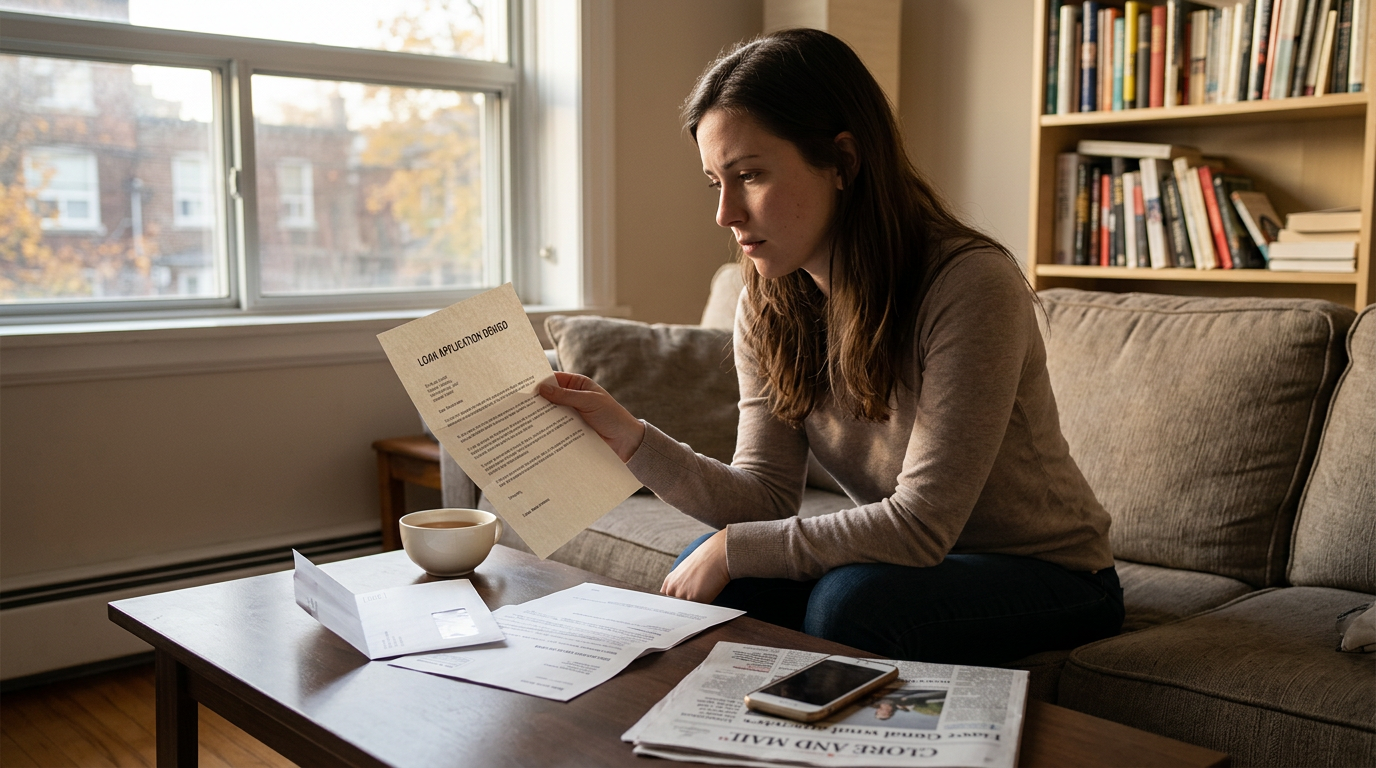
A bad credit loan is a type of borrowing aimed at people whose past repayment history or limited credit record makes it difficult to qualify for mainstream personal loans. These products can take the form of unsecured bad credit personal loans, installment loans with fixed payments over a set term, or other poor credit loans offered by lenders that work with higher risk applicants. Because the lender views the application as riskier, interest rates and fees are usually higher than on standard personal loans, and approved amounts may be smaller. When structured as bad credit installment loans, the borrower repays in regular, predictable amounts until the agreed end date, which can be easier to plan for than a single lump sum repayment.
The basic process for loans for bad credit still involves an application and assessment of risk, even when the lender relies less on a traditional credit score. Instead of focusing mainly on a strong credit report, some lenders place more weight on current income, employment stability, existing debts, and banking history. If the borrower meets the lender’s criteria, the loan agreement sets out the interest rate, repayment schedule, total cost and the consequences of late or missed payments. After the funds are disbursed, the borrower makes payments over the term. Consistently paying on time can support an improved credit profile, while missed payments or default add negative information and may make future borrowing more expensive.
Bad credit personal loans are usually unsecured and offered by banks, credit unions, or online lenders when traditional borrowing is hard to access. They can be used for debt consolidation or emergencies but often involve higher interest, tighter affordability checks, and lower limits, with approval depending on income and existing commitments.
| Loan type | Typical use case | Repayment structure | Risk level for borrowers in CA |
|---|---|---|---|
| Bad Credit Personal Loans | Debt consolidation or emergencies | Fixed term, unsecured | Medium |
| Bad Credit Installment Loans | Planned larger expenses | Regular predetermined payments | Medium |
| No Credit Check Loans Bad Credit | Last‑resort short‑term cash needs | Short term, often lump‑sum | High |
Before applying for any loan aimed at borrowers with weak credit, start by understanding your current position. A credit score summarizes your past borrowing behaviour, and lenders consider it alongside your income and existing debts when reviewing applications for poor credit loans or other loans for bad credit. You can obtain your score and full report from major credit bureaus or some financial institutions, sometimes for a fee or under specific conditions. Reviewing these documents helps you see payment history, credit limits, and negative marks such as late payments or collections that may affect how a lender views your request.
When you read your credit report, check for errors or outdated entries that may make you seem riskier than you are. Incorrect late payments, duplicated accounts, or signs of identity theft should be challenged through the bureau’s formal dispute process, which typically involves submitting supporting documents and waiting for an investigation. At the same time, look at the underlying reasons your score is low, such as high balances or missed payments, and consider whether you can improve your situation before seeking new credit. Steps like paying down revolving debt or setting up automatic payments may gradually improve your score and influence the rates and fees you are offered.
Eligibility for a bad credit loan is also about affordability, not only the score. List your regular income, essential expenses, and existing debt payments to estimate how much room you have for another obligation without straining your budget. This calculation can help you decide whether borrowing from a direct lender that works with applicants who have poor credit fits your situation or whether alternatives such as adjusting spending or seeking non‑credit support are safer. Reading sample loan conditions, including how the lender reviews your capacity to repay and the consequences of missed payments, can guide you toward a realistic decision about whether to apply and what loan size, if any, remains manageable.
Terms such as guaranteed approval, instant approval, or no credit check are often used to appeal to people worried about bad credit, but they do not mean a lender ignores assessment. Even for bad credit personal loans or installment loans, providers usually review income, existing debts, and banking history, sometimes through automated systems that make decisions quickly. When a loan is advertised as easy for poor credit, it typically means the criteria differ from traditional scoring, not that anyone will be accepted without screening.
Borrowers should be careful because loans promoted as effortless can involve high interest, extra fees, or tight repayment schedules that increase financial pressure. Some lenders targeting applicants with weak credit may also use vague language that makes costs and consequences of missed payments unclear. Before accepting any offer, it is safer to read the full agreement, compare the total borrowing cost, and confirm the lender is properly regulated instead of relying on slogans about instant or guaranteed approval.
When comparing loans for bad credit, first identify the type of lender. Banks and credit unions usually offer personal loans under clearer regulation but often apply stricter approval criteria. Online platforms and direct lenders that focus on borrowers with poor or limited credit may be more flexible, yet interest rates and fees can be higher and differ widely. For any bad credit personal loan, look at the full cost of borrowing rather than the headline rate. Check the annual percentage rate, whether the loan is a fixed installment product or a revolving credit line, and any origination, administration, or penalty fees. Pay attention to how the lender explains its assessment process and whether it encourages you to review your own credit report before applying, as transparency is a sign of more cautious practices.
It is also important to examine how each lender handles disclosure, customer support, and the consumer protections that apply in Canada. A responsible provider of loans to borrowers with weak credit should give a written agreement that clearly sets out the term length, payment schedule, consequences of late payments, and options if you face financial difficulty. Before accepting an offer, compare several lenders on the same loan amount and term to see differences in total repayment and flexibility. Be wary of claims of guaranteed approval or offers that downplay affordability checks, because applications are usually reviewed based on income, existing debts, and sometimes credit history. Choosing lenders that stress borrowing within your means and suggest budgeting or counselling resources can reduce the risk of overpaying and support more sustainable borrowing decisions.
Car financing with a weak credit history often takes the form of a bad credit auto loan, where the vehicle secures the borrowing. Lenders may look beyond the credit score and consider income stability, existing debt payments, and the size of any down payment. Interest rates and fees are usually higher than for standard car loans, and repayment is commonly structured as fixed instalments so borrowers can plan their monthly budget. Applicants are generally expected to show they can afford the total cost of ownership, including insurance, fuel, and maintenance, and some providers may ask for proof of employment or other regular income before deciding on the application.
For a small company or self‑employed work with poor credit, access to funding may involve a bad credit business loan, where approval depends on more than personal credit. Lenders often review business cash flow, time in operation, collateral such as equipment or inventory, and whether the borrowing fits a realistic plan to stabilise or grow the enterprise. These products frequently use an instalment structure, with predictable payments that need to be built into the business budget alongside taxes, rent, and payroll. Because borrowing costs and risk are higher when credit is weak, it is important to compare offers, understand contract terms, and consider alternatives such as improving credit first or seeking independent financial guidance before taking on new obligations.
What exactly is a bad credit personal loan and how does it work?
It is usually an unsecured loan offered to borrowers with weak or limited credit histories. The lender charges higher interest and may offer a smaller amount, repaid in fixed installments over a set term.
How do lenders assess eligibility for loans for bad credit?
They review your credit report, income, existing debts, and banking history. Even for poor credit loans, they check whether repayments appear affordable before making a decision.
Should I trust offers claiming bad credit loan guaranteed approval or no credit check?
Treat these claims with caution. Legitimate providers still perform some form of assessment and may reject applications; such phrases are often marketing, not literal guarantees.
What should I compare when looking at bad credit loan direct lenders online?
Check the APR, fees, repayment schedule, and how clearly the lender explains its criteria. Transparent terms and realistic affordability checks are as important as the headline rate.
How do specialized bad credit auto or business loans usually work?
Auto loans are often secured by the vehicle, while business loans rely on business income and documents. Both typically have higher costs, structured installments, and stricter proof of ability to repay.