
x
If you’re worried about hidden termite damage or navigating VA loan and NPMA‑33 WDI report rules, this guide explains what inspectors check, how long a termite inspection takes, what affects price, and how to choose and verify a nearby licensed inspector for real estate or urgent visits.
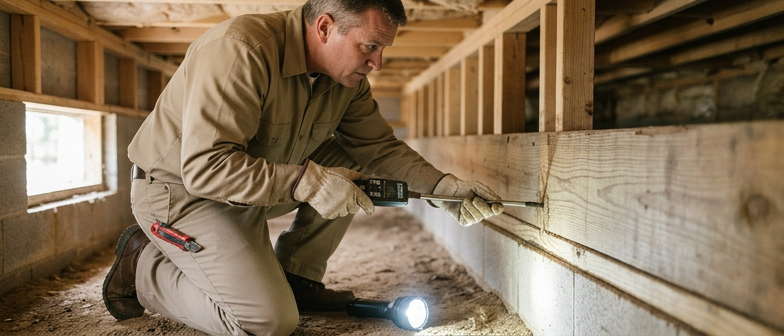
A termite inspection is a focused evaluation of a property for wood-destroying insects, visible damage, and conditions that could attract termites. For homeowners, it supports long-term structural safety and can reveal hidden problems before they turn into expensive repairs. Buyers often arrange a professional termite inspection during a real estate transaction to move forward with more confidence, request repairs, or decide whether a home still fits their plans. When you book a real estate termite inspection, the inspector usually checks accessible interior and exterior areas, looking for mud tubes, damaged wood, and moisture issues that might support termite activity.
The time required for a termite inspection depends on the size, age, and layout of the home. Many single-family houses can be checked in roughly an hour, while larger or more complex properties may take longer. Knowing how long a termite inspection takes helps you plan around work, school, and closing dates, especially when you are coordinating other services such as general home inspections or appraisals. Treating termite inspections as a routine part of home care, whether you are staying put or preparing to buy or sell, makes it easier to compare local options, ask practical questions, and fit the visit into your overall schedule.
During a typical termite inspection, the licensed inspector looks for subtle evidence of activity rather than just obvious damage. A key step is checking for mud tubes along foundation walls, slab edges, and crawl spaces, because these pencil‑sized tunnels help subterranean termites travel between soil and wood. Inspectors also examine window sills, baseboards, and other entry points for discarded wings that can indicate a recent termite swarm, and they assess whether the inspection scope includes the attic so they can look for damaged rafters, stained or buckled sheathing, or frass from wood‑destroying insects. If you are unsure whether your own attic will be inspected, it is reasonable to ask in advance, since access, safety, and local practice can affect what areas are included in a standard termite inspection.
With a VA-backed mortgage, termite inspection and formal wood-destroying insect reporting may be required, but only in certain situations. The property’s location, construction type, and current lender and VA guidelines all affect whether VA loan termite report requirements become part of the loan conditions. Areas with higher termite activity or specific building materials are more likely to trigger a request for a wood-destroying insect, or WDI, report. Because policies vary and can change, buyers and agents should confirm current expectations with the VA, the chosen lender, and their real estate professionals instead of assuming every VA loan automatically needs a termite inspection. When a report is needed, borrowers usually look for a WDI report provider nearby who understands how to document findings in a format acceptable to VA underwriters.
In many transactions involving VA financing, lenders rely on the NPMA-33 Wood Destroying Insect Inspection Report, prepared by a licensed inspection company that follows national and local standards. Borrowers or their agents often seek an NPMA-33 inspection provider experienced with government-backed loans so the paperwork matches lender preferences and avoids closing delays. The inspector describes visible termite activity, conditions that encourage infestation, and any prior treatments, but the lender and VA rules determine how those findings affect loan approval. Because practices differ by state and institution, buyers should verify ahead of time whether the lender accepts electronic NPMA-33 reports, if follow-up treatment records are required, and who is expected to pay for the inspection, so the termite reporting process fits smoothly into the overall VA home purchase.
| Situation | Likelihood WDI / NPMA-33 Needed | Who Should Confirm Requirements | Key Checklist Point |
|---|---|---|---|
| High termite activity region | High | Lender and real estate agent | Ask if VA loan termite report is requested |
| Wood-frame or mixed wood construction | Medium to High | Lender and VA resources | Check if NPMA-33 format is preferred |
| Condos or properties with limited wood exposure | Low to Medium | Loan officer | Verify if any WDI inspection is needed |
| Older home with prior termite treatment | Medium | Inspector and lender | Confirm if treatment records must accompany report |
| Remote or rural property with varied local practices | Variable | VA, lender, and local inspector | Clarify acceptable report delivery and payment expectations |
When you book a real estate termite inspection for a home purchase, coordinate early with both your lender and a licensed wood destroying insect inspector. Ask your loan officer whether a WDI report is required under current guidelines, confirm the exact form or format they accept, and whether an NPMA‑33 inspection is needed. Choose an inspection provider experienced with that report type and verify the termite inspector’s license and insurance are valid in your state. Sharing the lender’s documentation requirements with the inspector before the visit helps ensure the termite report is prepared correctly, prevents delays at closing, and keeps you aligned with the latest VA, state, and individual lender policies instead of relying on outdated assumptions.
When you notice possible termite activity, such as mud tubes or discarded wings near the foundation, quickly look for an urgent termite inspector in your area, then pause long enough to verify the termite inspector’s license with the state board and confirm they carry insurance. Ask whether the standard termite inspection includes the attic, crawl space, and exterior perimeter, since hidden colonies often start in less visible areas. A dependable inspector should explain how they check for mud tubes, damaged wood, and other warning signs, and provide a written summary of what was inspected so you can compare it with future reports.
Professional termite inspection costs depend on home size, construction, and how quickly you need the visit, so request a clear termite inspection price estimate before agreeing. Contact more than one local company and compare termite inspection quotes, weighing both price and what is included, such as access to detached structures or a formal report for real estate use. When you book a real estate termite inspection, ask how long the termite inspection typically takes so you can coordinate with agents or closing schedules. Confirm licensing and scope in advance to choose the inspector who best protects your property.
| Inspector Type | Licensing & Insurance | Response Time | Inspection Scope & Detail | Best Fit Scenario |
|---|---|---|---|---|
| Urgent local termite inspector | Must verify license and insurance | Very fast, prioritized | Focused on obvious activity, summary may be brief | Active warning signs or suspected ongoing damage |
| Standard residential termite inspector | Licensed, insured, routinely checked | Moderate, scheduled in advance | Attic, crawl space, exterior; balanced visual check | Routine homeowner check or annual maintenance |
| Real estate termite inspection provider | Licensed, experienced with formal reports | Coordinated with agents and closing | Detailed written findings for transaction use | Pre‑sale or purchase, lender or agent expectations |
| NPMA‑33 / WDI report specialist | Verified license; familiar with lender guidelines | Aligned with loan timelines | Structured NPMA‑33 or similar WDI documentation | Where a lender may require a formal wood‑destroying insect report |
You need an urgent termite inspection when you notice clear warning signs like mud tubes on the foundation, soft or blistered wood, or piles of discarded wings near doors and windows. Call a nearby termite inspector, describe what you see, and explain how long you think it has been happening so they can decide if same‑day or next‑day scheduling is appropriate.
Even in urgent cases, a professional termite inspection still takes time and should not be rushed. For an average‑size home, expect roughly 45 minutes to an hour on site, with larger or cluttered properties taking longer. When you book, ask for the earliest appointment and a realistic estimate of how long the termite inspection will take so you can plan access and keep pets out of the way.
What happens during a typical termite inspection for a home you want to buy?
The inspector checks accessible interior, exterior, and often the attic for mud tubes, damaged wood, moisture issues, and discarded wings, then issues a written report for your real estate records.
When can a VA loan require a termite or NPMA-33 WDI report?
A VA-backed loan may need a termite or NPMA-33 wood-destroying insect report based on region, property type, and lender rules, so confirm current requirements with your loan officer.
How do you quickly find a licensed termite inspector nearby and get a price estimate?
Search local providers, verify the license with your state, ask about urgent appointments, and request a written termite inspection price estimate before booking.
What signs should you check for yourself before calling an inspector?
Look for mud tubes on foundations, soft or blistered wood, and piles of discarded wings near doors or windows; if you see these, schedule a termite inspection promptly.
How long does a termite inspection usually take, and how can you compare quotes?
Most inspections take about 45–90 minutes, depending on size and access; collect written quotes from several local companies to compare scope, price, and experience with VA or NPMA-33 reports.