
x
If you’re worried about visible leg veins, this guide explains who tends to get spider veins, which professional and at‑home treatments can actually remove or fade them, typical removal costs, and everyday habits that lower your chances of new veins forming.
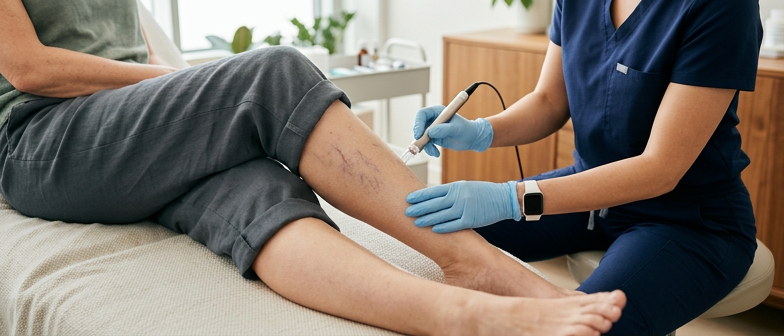
Spider veins are tiny blood vessels close to the surface of your skin that have become widened and more visible. They usually appear as red, blue, or purple lines or web‑like patterns on the legs, ankles, or face. Unlike varicose veins, which are larger, raised, and can feel ropey or achy, spider veins are usually flat and less likely to cause pain, though some people feel mild burning or throbbing after standing for a long time. They form when small veins weaken and have trouble pushing blood back toward the heart, so blood pools and the vessels show through the skin.
Not everyone develops these small surface veins, so when people ask, “Does everyone get spider veins?” the answer is no, but they are very common, especially with age. Your chances go up if you have a family history, sit or stand for long periods at work, have been pregnant, or have hormonal changes, extra weight, or a history of blood clots or other vein problems. They can affect people of any gender or skin tone, though they are easier to see on lighter skin and are reported more often by women. Limited exercise, smoking, and frequent use of hot tubs or saunas may also raise the risk.
When people explore spider vein treatment options, they usually find both office procedures and home care. Medical treatments are designed to remove or fade visible veins. The most common is sclerotherapy, in which a specialist injects a solution so the tiny veins collapse and are reabsorbed. Some clinics also use surface lasers or intense pulsed light to target fine vessels through the skin. These methods usually give faster, more visible cosmetic results than creams or devices you can buy yourself, but several sessions and later touch-ups are common because new veins may appear. They work best when a clinician first checks for underlying vein disease rather than treating only what shows on the surface.
If you are wondering how to remove spider veins at home, it helps to know that self-care rarely erases existing veins, but it can make them less noticeable and may slow new ones from forming. Compression stockings recommended by a professional can support leg circulation, and habits like staying active, avoiding long stretches of sitting or standing, elevating your legs when possible, and keeping a healthy weight can reduce pressure in surface veins. These steps are often combined with in-office care, especially if your provider suspects deeper vein problems. Deciding between home strategies and professional treatment depends on how visible or uncomfortable your veins are, your budget, and whether your main goal is comfort or clearer-looking skin.
| Approach | Setting & Invasiveness | Recovery & Result Speed | Best For | Durability of Cosmetic Results |
|---|---|---|---|---|
| Sclerotherapy | Clinic, minimally invasive | Brief downtime, quicker fading | Visible leg clusters, cosmetic focus | Longer lasting, touch-ups sometimes |
| Surface laser or light therapy | Clinic, noninvasive | Minimal downtime, gradual changes | Fine facial or leg veins, lighter skin types | Moderate lasting, repeat sessions common |
| Compression stockings | Home, noninvasive | Ongoing wear, gradual comfort gain | Leg heaviness, long standing or sitting | Helps symptoms, limited fading |
| Lifestyle changes | Home, noninvasive | Slow, prevention focused | Early veins, high risk occupations | Supports circulation, may slow new veins |
| Combined medical plus home care | Clinic plus daily self-care | Office results plus steady support | People wanting clearer skin and comfort | Higher durability when maintained |
When you meet a vein specialist to talk about how to remove spider veins, they review your medical history, examine your legs, and may use a small ultrasound device to confirm the veins are mainly cosmetic. After choosing the most suitable spider vein treatment options, the provider cleans the skin, marks the veins, and may apply numbing cream so you feel only brief stinging or pressure.
In sclerotherapy, a very fine needle delivers a medicated solution or foam into the tiny vein, irritating its inner wall so it collapses and seals; over several weeks the body absorbs the closed vessel and the discoloration fades. With laser or intense pulsed light treatment, focused energy is aimed through the skin at the blood in the vein, heating it from the inside so the vessel breaks down without injections. These office visits are usually quick, you can walk out right away, and most people resume normal activities the same day, sometimes wearing compression stockings and avoiding hot baths or intense sun while the veins fade.
Seeing a vein or vascular specialist is useful if your spider veins are spreading, painful, burning, or paired with bulging varicose veins or leg swelling. At the first visit, the clinician reviews your medical and family history, hormones and pregnancies, jobs that keep you standing or sitting, and any past clotting problems. A physical exam is usually followed by an ultrasound to see how well the deeper leg veins are working, because that circulation affects which spider vein treatment options are safe and likely to last. You can also ask about your goals, expected downtime, how many sessions are typical, and whether care is mainly for symptoms, appearance, or both.
High‑volume vein centers, including large academic systems known for Cleveland Clinic–style varicose vein treatment programs, often use a team model combining ultrasound technologists, interventional physicians, and nurses focused on vein care. They tend to follow stepwise care, first treating significant varicose vein disease or faulty valves, then targeting visible spider veins on the surface with sclerotherapy, laser, or intense pulsed light, depending on your skin and vein pattern. These centers usually use standardized protocols and track outcomes and complication rates, which can improve safety and consistency, but you still have the right to compare treatment plans, ask how many procedures the team performs, what follow‑up is offered, and how your long‑term vein health will be monitored after cosmetic spider vein removal.
Before choosing any spider vein treatment option, ask which procedure is recommended for your vein pattern and symptoms, and why. Clarify whether they use noninvasive methods such as surface laser or light therapies, or minimally invasive approaches like sclerotherapy, and how many sessions are typical. Ask what results you can realistically expect, how improvement will be checked, and how long benefits usually last.
Also ask, step by step, how they plan to remove or fade the spider veins, what happens during the visit, and what type of anesthesia or numbing is used. Discuss risks, common side effects, how often complications occur in their practice, and what follow‑up care and activity limits you should expect after treatment.
Spider vein removal cost varies with your location, the size and number of areas treated, and the method your specialist uses. In the U.S. and Canada, prices are often set per session, and several visits are usually needed for best cosmetic results. Because spider veins rarely cause serious medical problems, insurers commonly label treatment as elective, so many people pay themselves. If you also have pain, swelling, or signs of varicose vein disease, your clinician may document medical necessity, but coverage is still decided case by case under your plan.
Before treatment, request a written estimate listing the expected number of sessions, follow‑up fees, and extras such as compression stockings. Confirm with both the clinic and your insurer what will be reimbursed so you can budget realistically and avoid surprise bills. Set realistic expectations: therapy can fade or clear many visible veins, but it cannot stop new ones from appearing, and no ethical provider will promise perfectly smooth, vein‑free legs or permanent results from a single low‑priced session.
Does everyone get spider veins?
No. They are more likely with age, pregnancy, family history, female hormones, prolonged standing or sitting, obesity, and past leg injuries, but many people never develop visible spider veins.
What treatments do major vein centers, such as large hospitals, typically use?
They often begin with an ultrasound, then treat most spider veins with sclerotherapy and use surface laser or intense pulsed light for very fine facial or leg veins, usually over several brief sessions.
What are the main options for removing spider veins?
Office procedures like liquid or foam sclerotherapy and laser or other light‑based treatments close the tiny vessels so the body absorbs them, making the visible lines fade over time.
How much does cosmetic spider vein removal usually cost?
Clinics typically charge per session, with price varying by location, technique, and area treated; many people pay themselves because insurers often consider removal cosmetic unless there are significant symptoms.
What can I do to lower my risk of new spider veins?
Keep a healthy weight, walk often, avoid long periods without moving, elevate your legs when you rest, use compression stockings if recommended, and protect your skin from too much sun.