
x
If you’re unsure how many smoke alarms you need, whether to DIY or hire an electrician, or how much smart and hardwired installations cost, this guide walks through layout planning, replacement and repair options, and where to look for free or discounted smoke alarm assistance.
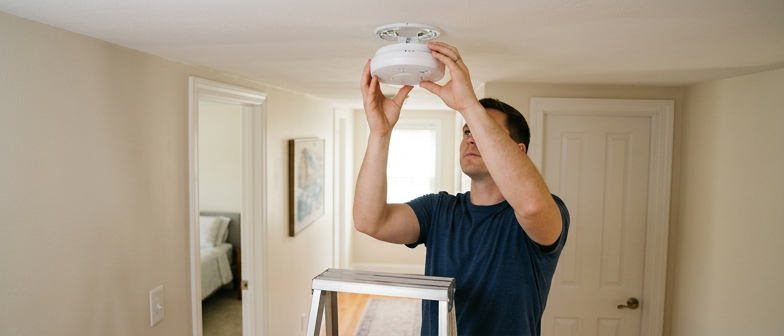
Proper smoke detector installation is one of the simplest ways to stop a home fire from becoming a tragedy. Working alarms provide early warning, giving your family time to escape before smoke and flames block exits. Many deadly fires start at night when people are asleep and cannot smell smoke, so detectors act as your ears while you rest. Safety experts recommend replacing old smoke detectors that are more than about ten years old or that fail routine tests. Thinking ahead about how many smoke alarms are needed across bedrooms, hallways, and every level of the home turns scattered devices into a coordinated safety system instead of random gadgets on the ceiling.
To choose effective protection, it helps to understand the basic alarm types. Ionization units respond quickly to fast, flaming fires, while photoelectric alarms pick up slower, smoldering fires sooner; many households now use combination models that sense both. You can install simple battery-powered detectors, hardwired alarms with battery backup, or more advanced smart units that send phone alerts. Whatever style you use, planning the layout, deciding how many alarms belong in each area, and replacing older units on a regular schedule work together to keep your smoke detection reliable when it matters most.
Begin by sketching your home and counting bedrooms, hallways, each level, and the basement to decide how many smoke alarms are needed. Safety guidelines call for one alarm in every bedroom, one outside each sleeping area, and at least one on every floor. In open layouts, place alarms along likely escape routes, keeping them away from bathrooms and kitchen vents that trigger false alerts. Include stairs, finished attics, and other transition spaces so there are no gaps in coverage.
Then choose between battery powered units and hardwired alarms. Battery models suit existing ceilings and small homes where adding wiring is difficult. For larger homes or new builds, an electrician experienced in hardwired smoke alarms can install interconnected detectors that share power and signals. Their quote depends mainly on how hard it is to run cable through your home and how many devices you plan to add.
Finally, decide where interconnected or smart alarms make the most sense, such as main hallways and living areas. Interconnected systems ensure every device sounds when one detects smoke, which helps in multi level homes. Smart alarms add app alerts and integration with other home technology but usually come with a higher installation cost. If you prefer professional help, search for a smoke alarm installer near you and ask them to review your layout and recommend a practical mix of standard, hardwired, and smart alarms.
| Home scenario | Typical alarm placement focus | Preferred alarm type mix | Need for electrician | Interconnected or smart priority |
|---|---|---|---|---|
| Small one‑level apartment | Bedrooms, hallway, main living area | Mostly battery units, few hardwired | Low; usually only for existing wiring | Interconnected in hall only; smart optional |
| Large single‑story home | Every bedroom, multiple hallways, escape routes | Blend of battery and some hardwired runs | Medium; helpful for partial wiring and linking | Interconnected in halls and living areas; select smart hubs |
| Two‑story home with basement | All levels, stairways, outside each sleeping area | Primarily hardwired with backup batteries | High; routing cable between levels | Interconnected throughout; smart in main corridors |
| Remodeled home with mixed old wiring | Existing wired positions plus new gaps | Mix of upgraded hardwired and added battery units | High; to reuse and update wiring safely | Interconnected where wiring exists; smart to monitor whole home |
| New construction build | Code‑driven layout across all floors | Fully hardwired networked system | High; integrated into electrical plan | Whole‑home interconnected; targeted smart features |
For whole‑home Smoke Detector Installation, interconnected alarms are most useful in larger or multi‑level layouts, where every unit must sound at once. Because these systems rely on shared wiring and configuration, many homeowners choose an electrician for hardwired smoke alarms instead of attempting complex circuits. If your existing linked units chirp, fail to trigger in other rooms, or go off without cause, address and fix interconnected smoke alarms before adding new devices so old problems do not carry into the upgraded network. Smart detectors that send phone alerts and show battery or sensor status cost more than standard units, so include smart smoke alarm installation cost in your budget and consider whether extra features justify setting up Wi‑Fi, apps, and integration with your broader safety plan.
If you are comfortable with basic home projects, installing battery-powered smoke alarms yourself is usually straightforward. Choose detectors that meet recognized safety standards and suit each area, such as bedrooms and hallways. To install a battery alarm, follow the manufacturer’s instructions, fix the mounting plate to the ceiling or high on a wall, click the unit into place, insert fresh batteries, then use the test button. Avoid corners, ducts, and drafty spots near windows, and make sure you have alarms on every level of the home and close to sleeping areas.
Replacing old smoke detectors is as important as installing new ones. Most units should be replaced about every ten years, regardless of whether they still sound when tested, so check the printed manufacture date. For a battery-powered replacement, remove the old alarm, drill new holes if needed, and confirm the new detector is secure on its bracket. Test it immediately, then set reminders to change batteries at least once a year and to test each alarm monthly so basic maintenance is not forgotten.
When weighing DIY versus professional smoke alarm installation, consider your confidence with tools and any electrical work. Doing it yourself is generally suitable for standalone battery models or swapping one battery alarm for another. Interconnected or hardwired systems, including units linked to an electrical panel or smart home setup, should be left to a licensed electrician who can check wiring and code compliance, while you focus on simple battery replacements.
DIY smoke detector installation should stop when you deal with hardwired units or interconnected alarms that all sound together. In those cases, hire an electrician who regularly installs wired smoke alarms, using a reputable smoke alarm installer near you who understands codes, circuits, and safe placement. Before you call, list how many detectors you have, where they are, and whether you want upgrades like smart units or extra interconnected alarms. With this information, you can request a clear electrician quote for smoke detectors that covers labor, any new wiring, and replacement of old devices.
For hardwired or interconnected smoke detector installation, many homeowners hire a licensed electrician instead of doing the work themselves. A professional can assess where alarms should go, confirm the wiring meets code, and provide a written electrician quote for adding new devices or replacing outdated units. When comparing prices, ask whether the estimate includes labor, materials, permits, and any patching of ceilings or walls. Searching online for a local smoke alarm installer usually shows electricians and fire safety specialists, but you should verify licenses and insurance and confirm they have experience with interconnected systems.
Costs depend on whether you are replacing basic battery alarms or upgrading to smart or hardwired models. The smoke detector replacement cost for standard units is often modest when you only pay for the device and a short visit, but adding wiring or changing locations increases labor. Smart smoke alarm installation cost is higher because these alarms cost more and may require network setup, app configuration, or integration with a security system. Before approving work, ask for a detailed breakdown that separates the price of the hardware from the installation service so you can match the system to your budget.
Some households can receive free or low cost alarms and installation through local assistance programs. Eligibility for free smoke alarm services is often based on income, age, disability, or living in a high risk building, and programs may be run by fire departments, nonprofit groups, or community organizations. If you think you may qualify, contact your local fire safety office or community health agency to ask how to apply for smoke alarm assistance and what documentation you must provide. Even if you do not qualify for a fully free visit, these programs may offer discounted alarms, home safety checks, or referrals to trusted professionals at reduced rates.
How many smoke alarms does a typical home need?
Install one in every bedroom, one outside each sleeping area, and one on every level including the basement. Large homes, long corridors, and stairwells may need extra units so no area is too far from a detector.
Is DIY smoke alarm installation okay, or should I hire a professional?
Battery models are usually fine for careful DIY: follow the manual, mount correctly, and test. For hardwired or fully interconnected smoke alarms, using a licensed electrician is safer and better for meeting electrical code.
When do I need an electrician for smoke detector installation or replacement?
Call an electrician when adding new wiring, working on hardwired systems, or if interconnected alarms keep triggering or failing. They can diagnose faults, replace old devices, and give a clear quote for labor and materials.
What mainly affects the cost of installing smart smoke alarms?
Price depends on battery vs hardwired units, how many you install, and any extra work like wiring, ceiling repair, or Wi‑Fi setup. App‑based smart features usually cost more than basic detectors.
Can I get free or discounted help with smoke alarm installation?
Some fire departments, charities, or local authorities offer free smoke detectors or installation for eligible people such as low‑income residents or seniors. Check local government or fire service websites for current rules.