
x
Rent keeps climbing while paychecks rarely keep up, yet everyone still wants a place that feels secure, clean, and livable. Between long waitlists, confusing programs, and listings that vanish overnight, the search can feel exhausting. With a clear plan, it becomes possible to stretch a tight budget, spot red flags, and protect both your home and your wallet.
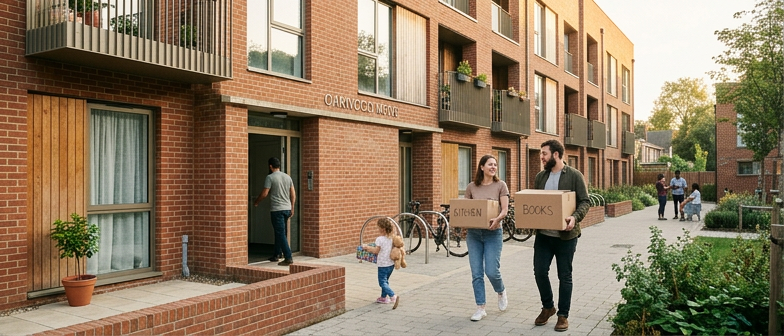
When a place is advertised as “luxury” or “upgraded,” it sounds like you are paying for nicer finishes. In reality, a lot of what drives a high monthly bill has more to do with math, location, and risk than with granite counters.
Owners usually start from a target return. They look at what they paid for the building, mortgage costs, taxes, insurance, maintenance, utilities, and staff. In areas where demand is strong and new construction is limited, they know there are more renters than empty units. That imbalance lets them charge more, and many lean on local market data to see how far they can push the price before people stop signing leases.
“Affordable” is not a fixed number. A unit that feels manageable for someone with a solid income can be out of reach for a neighbor earning half as much. Two households can live in the same building; one is stable, the other is a single missed paycheck away from falling behind.
Instead of asking whether a place is cheap for a studio or one‑bedroom, a more useful question is: what share of monthly pay will disappear into this lease once utilities, parking, and fees are added? That percentage says more about whether a unit is within reach than any marketing label.
A quick rule of thumb is to look beyond the headline rent and build a rough “total housing” figure:
| Cost component | What to look for when comparing units |
|---|---|
| Base rent | How it fits into your monthly income, including seasonal income swings |
| Utilities and services | What is included, what is extra, and how usage might change by season |
| Parking and transportation | Required parking fees, transit access, and likely fuel or pass expenses |
| Fees and deposits | One‑time and recurring charges that raise the real monthly and move‑in cost |
Walking through each line can reveal that two units with similar advertised rents have very different impacts on a tight budget.
For renters trying to keep housing costs under control, the line between income‑based programs and regular private leases is not as wide as many imagine. Both often use a similar rule of thumb: housing costs should stay at or below a modest share of income. Once payments creep higher, it becomes harder to keep up with groceries, transportation, and emergencies.
Income‑based programs can help cap what you pay relative to earnings, but they may come with limits on building type, location, or unit size. Waitlists and paperwork can also be stressful. On the other side, a private owner willing to be flexible on credit history or deposits can open doors that larger property managers keep closed.
Many modest units in the private market end up costing a similar slice of income as assisted options for middle‑income households. Renting a basic place rather than taking on a starter mortgage can also keep monthly housing payments lower and more predictable.
The differences between an income‑restricted unit and a private deal usually show up in details, not always in the listed rent. Assistance programs may limit which neighborhoods you can choose, while private owners might offer more location options but less formal protection if the area feels unsafe or is far from transit and groceries.
Lease terms also tilt the balance. A lower advertised rent can be offset by hidden fees for parking, pets, amenities, or mandatory services. Some by‑owner rentals pass along maintenance or utility costs that are bundled into assisted units. Before signing, it helps to compare:
Shorter, more flexible agreements can be worth a slightly higher monthly payment if your job, family situation, or schooling may shift.
A place can look affordable on paper yet strain a budget once safety, commute, and daily expenses are included.
Online tools and neighborhood reports are a useful first filter, but they do not tell the whole story. Walking the area at different times of day often gives a clearer sense of how it feels to live there. Helpful things to notice:
Talking to people who already live nearby can offer more insight than any listing. A block that looks worn can still feel stable if neighbors know each other and there is little churn.
Commute is a quiet budget killer. A cheaper unit far from work or school can mean higher fuel or transit costs, parking fees, and hours lost in traffic. One way to compare options is to create a “total monthly cost”: rent plus transportation, plus what you expect to spend on food nearby.
In some cases, slightly higher rent in a transit‑friendly, walkable area ends up cheaper overall once you factor in smaller transportation bills and easier access to low‑cost groceries, clinics, and schools. It also matters whether you can safely walk, bike, or use transit for errands. Those daily savings add up over a year.
Monthly rent is the number everyone watches, but many budgets collapse because of everything wrapped around it. In many places, rules are tightening around hidden costs and unfair lease terms, which shows how common these issues are.
Owners and brokers have long used pre‑tenancy tactics that look small on paper but hit hard in real life. Demanding several months of rent upfront can wipe out savings before move‑in day. Expecting tenants to cover broker payments even when they never chose that broker can be another surprise.
Move‑in fees are a separate issue. They often appear in addition to a security deposit and are framed as “non‑refundable” charges with little explanation. It is worth asking for a full written breakdown before you commit:
If a charge is not clearly tied to housing or a service you use, it deserves a closer look or negotiation.
Protection for your belongings and liability is usually much less expensive than people expect, but trouble starts when renters buy the first option mentioned in the lease without checking what it really covers. Overpaying for a weak policy can be almost as bad as being underinsured.
Key points to pay attention to:
| Insurance detail | Why it matters for budget and protection |
|---|---|
| Coverage limits | Whether your belongings and potential liability are realistically covered |
| Deductible amount | What you would have to pay out of pocket before help kicks in |
| Exclusions and add‑ons | Common gaps, such as certain kinds of water damage or high‑value items |
| How it is billed | Whether it is bundled into rent or paid separately and can be changed |
Checking a few quotes, comparing coverage, and confirming what the lease requires can prevent paying too much for too little. Combined with a careful review of every fee line and an understanding of local tenant rules, that kind of planning can mean the difference between a home that is truly affordable and one that only appears to be at first glance.
How can I realistically budget for Apartment Renting In USA on a modest income?
Start by capping total housing costs at roughly 30–35 percent of take‑home pay, including utilities, parking, and required fees. Compare Affordable Apartments For Rent and Cheap Apartments Near Me by “all‑in” cost, then leave room for savings and emergencies. This approach helps you avoid units that look cheap but become unaffordable once extras are added.
Where should I look for Affordable Apartments For Rent and Apartments For Rent By Owner without getting scammed?
Use major listing platforms, local housing nonprofits, university boards, and vetted social media groups, then filter for Rental Apartments In The U.S. posted by verified profiles. For Private Landlord Rentals, insist on written leases, meet at the property, never wire funds, and confirm ownership through tax records or local property databases before paying any deposit.
What Low Income Housing Options exist besides traditional public housing?
Beyond public housing authorities, many regions offer Housing Choice Vouchers, income‑restricted tax‑credit properties, faith‑based or nonprofit developments, and inclusionary units inside newer buildings. Check city or county housing websites, 2‑1‑1 lines, and legal‑aid organizations for waitlists and eligibility rules. Applying early to multiple programs improves your chances of locking in a stable, reduced rent.
When does a Month To Month Apartment Lease make more sense than a longer lease?
Month To Month Apartment Lease terms work well if your job, family situation, or immigration status might change within a year. You may pay slightly more than a twelve‑month contract, but you avoid heavy penalties for moving early and can shift quickly if safer or more affordable neighborhoods open up or your income unexpectedly drops.
Why is Renter Insurance For Apartments essential, even in Cheap Apartments Near Me?
Renter Insurance For Apartments protects belongings from theft, fire, or certain water damage and covers liability if someone is hurt in your unit, which landlords’ policies do not handle. Policies for Rental Apartments In The U.S. are often cheaper than a streaming subscription, and choosing realistic coverage limits prevents both overpaying and nasty surprises after a loss.