
x
Short term apartment rentals in Canada can be attractive, but rules on permits, taxes, fire inspections and whether tenants or condo owners may host are strict. This guide compares short and long stays and walks you through licensing, renewals and common pitfalls across major cities.
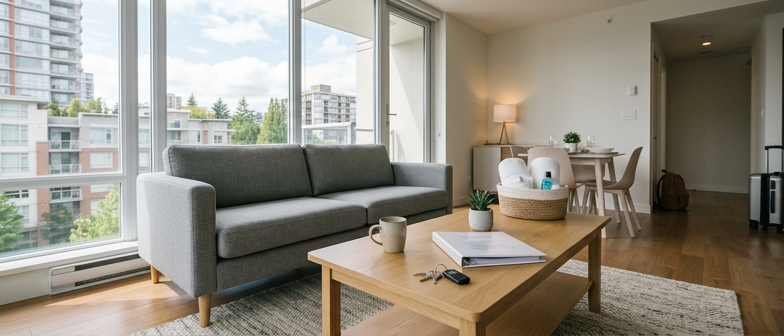
In Canada, short term apartment rentals usually mean renting a self-contained unit, such as a condo or basement suite, for under thirty consecutive days, often through platforms like Airbnb or Vrbo. Many cities treat these arrangements as temporary visitor accommodation rather than ordinary housing. Local zoning and licensing rules may restrict this activity to a host’s primary residence, limit it to certain buildings, or cap the nights per year. What looks like casual home sharing can therefore be regulated like a small hotel, with registration, taxes, and safety obligations that vary by province and municipality.
When comparing short stays with a furnished monthly rental or a classic long term tenancy, the main differences are duration, legal protections, and regulatory treatment. A furnished place rented for at least thirty days is generally covered by residential tenancy legislation and is treated purely as housing. By contrast, a short stay can trigger business licensing, strict zoning controls, and local accommodation taxes, and it may conflict with condo or building rules that restrict transient guests. Understanding how a short term arrangement differs from both a furnished monthly rental and a standard long term lease is essential before listing a unit.
| Rental type | Typical stay length | Legal framework in Canada | Host risk level | Best suited for |
|---|---|---|---|---|
| Short term apartment rental | Few nights to under one month | Tourist accommodation rules, zoning and licensing | High | Occasional hosts, visitor stays |
| Furnished monthly rental | Around one month or more | Residential tenancy legislation | Medium | Relocating workers, students, long visits |
| Long term rental | Several months or longer | Standard residential tenancy protections | Lower | Primary housing for tenants |
| Short term in condo or strata | Brief guest stays | Mix of condo bylaws and municipal rules | High | Owners with permissive building rules |
| Tenant‑run short term rental | Intermittent short stays | Lease terms plus local business and zoning rules | High | Tenants with written landlord consent |
Before you apply for a short term rental licence, confirm your unit is eligible and whether it must be your principal residence. In cities such as Toronto, Vancouver and Montreal, most hosts must live in the dwelling they list and complete municipal registration before taking bookings. Applications typically require proof of address, ownership or lease, contact details and sometimes an emergency contact. Some municipalities issue a dedicated business licence alongside platform registration, while others treat the short term rental licence itself as the main approval.
The cost of a short term rental permit differs by city but is usually an annual fee in the low hundreds of dollars, with a renewal charge when you complete your annual short term rental registration renewal. Many municipalities require a fire inspection for a short term rental or a signed declaration that you meet fire and building codes, including working smoke and carbon monoxide alarms, fire extinguishers, clear exits and reasonable occupancy limits for the unit.
Hosts must also understand when the municipal accommodation tax on short term rental stays applies and whether a booking platform collects and remits it for them. Some platforms send this tax directly to the municipality, but you may still need to register and file reports yourself. Operating without registering can lead to fines, orders to stop renting and obstacles if you later try to renew or upgrade a licence. Keeping your licence current and following tax, zoning and safety rules reduces enforcement risks.
Before you apply for a short term rental licence in a Canadian municipality, confirm that zoning and building rules allow this use in your unit. Many cities require that the rental be your principal residence, that you register through an online portal, and that you submit proof of identity, ownership or lease, and sometimes strata or condo board approval. You may also be asked for a floor plan, emergency contact details, proof of insurance, and to agree to guest limits and quiet‑hours rules.
Application fees are set by each municipality, so how much a short term rental permit costs depends on where the unit is located and whether you operate more than one property. After the initial approval, most cities require annual short term rental registration renewal, including paying a renewal fee and confirming that your contact information, unit details, and insurance remain accurate.
Whether a tenant can run a short term rental first depends on the lease. Many standard agreements in provinces like Ontario, British Columbia, and Quebec prohibit subletting or nightly stays, or require written landlord consent. Listing the unit for short visits without consent can breach the lease and lead to eviction, liability for damages, or bylaw fines. Tenants who want to host guests must review the lease, obtain explicit permission, and confirm local zoning and registration rules before accepting bookings.
Condo and strata owners must also follow their building’s internal rules. Even if the city allows short term apartment rentals, condo declarations, bylaws, or strata rules may ban short stays, require a minimum rental period, or limit use to a primary residence. Before renting a condo on a short term basis, owners should read the latest bylaws and building rules for any clauses restricting transient or hotel‑like use. Violating these provisions can result in building fines, legal action, or orders to stop hosting.
In many cities, both tenants and owners need to register or obtain a licence before offering short term stays, and renting without registering can trigger significant penalties. Some municipalities restrict hosting to a primary residence and require the registration number on platform listings. Hosts may also need proper insurance and must still comply with landlord, condo, or strata requirements. Running an unregistered operation risks city enforcement, neighbour complaints, and termination of a lease or building sanctions.
Before hosting short term apartment rentals as a tenant, read your lease and any house rules closely. Many landlords now ban or tightly restrict short stay platforms, or require written consent and proof of local registration first. If the lease prohibits subletting or commercial use, trying to run a short term rental can be treated as a serious breach that risks eviction and claims for damages.
If you own or rent a condo, check the declaration, bylaws and strata rules to see whether short term use is allowed at all. Some buildings only allow longer leases, others need board approval before you rent your condo for brief stays. In many cities you must register or get a licence, so renting short term without registering can trigger municipal fines and building penalties.
Running a short term apartment rental means your unit is treated like tourist accommodation, so life safety rules are strict. Many cities require a fire inspection for a short term rental before issuing or renewing a licence, checking hard‑wired or interconnected smoke alarms, carbon monoxide detectors near bedrooms and fuel‑burning appliances, safe exits, and posted emergency information. In larger cities, hosts may also need floor plans, emergency contacts, records of maximum guest counts that match building and fire codes, and inspectors can revisit if neighbours complain or during audits.
If you rent short term without registering or ignore safety orders, bylaw officers can issue daily fines, make you cancel bookings, suspend your licence, or order platforms to remove your listing. In serious or repeated cases your licence can be revoked. Whether you can reapply after your licence was revoked depends on local rules: some allow a new application after a waiting period and proof problems are fixed, while others can permanently ban operators for serious fire code breaches or using prohibited buildings.
How do short term and long term apartment rentals differ in Canada?
Short term apartment rentals are usually under 30 nights, treated as tourist accommodation with licensing and local taxes. Long term rental contracts are standard housing tenancies covered by provincial rental laws and rent rules.
Can a tenant run a short term rental in their unit?
Only if the lease allows it, the landlord consents, and local bylaws permit it. Many leases ban subletting or nightly guests, and cities can fine both tenant and owner for unregistered or illegal hosting.
How much is a short term rental permit and how do I apply?
Fees vary by city. First confirm zoning and principal residence rules, then apply online with ID, proof of address and ownership or lease, any condo or strata approval, and pay the application fee.
Do I need a fire inspection for my short term rental apartment?
Often yes. Cities may require a fire inspection or safety form confirming smoke and CO alarms, clear exits and posted emergency contacts. Failed or missed inspections can delay, suspend or revoke your licence.
What is Municipal Accommodation Tax on short stays?
Some municipalities charge this room tax on short term bookings. Hosts must register, charge the tax to guests, and remit it unless the rental platform collects and remits it directly for them.