
x
When an older parent wants to stay at home, private home care can bridge the gap between family help and residential care. This guide walks you through in‑home caregiver options, from part‑time and independent carers to agency services, plus key questions, safety checks and legal basics.
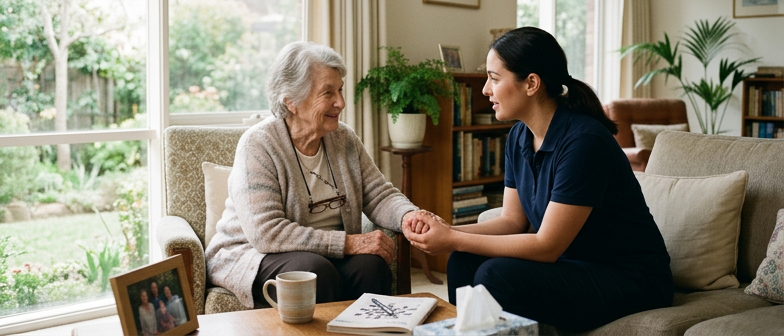
Private Home Care For The Elderly means paid support delivered in an older person’s own home, arranged directly with a provider rather than relying only on government-funded packages or residential aged care. Instead of a standardised program, private caregiving is tailored to the person’s routines, health needs, and cultural preferences, with flexibility in how often and when carers visit. Families have more control over who comes into the home, how tasks are prioritised, and how quickly services can start or increase, which can be vital after a hospital stay or when needs change suddenly.
In practice, private care at home is usually organised through in home caregiving services run by professional agencies, or by engaging an individual support worker. These services may include help with showering, dressing, grooming, toileting, mobility, basic nursing tasks under direction, and support with shopping, meal preparation, cleaning, and transport. Many providers also emphasise companionship and social connection, which can reduce loneliness and support mental wellbeing for older adults. In Australia, families often combine government-subsidised programs with privately paid visits to fill roster gaps, increase hours, or access more specialised or culturally specific support than standard programs provide.
Private caregiving at home usually starts with hands‑on help for daily living. This can include personal care such as showering support, dressing, grooming, continence care and safe mobility around the house, as well as prompting with medication in line with professional advice. Many families use in‑home caregiving services to combine this personal assistance with light domestic help, like meal preparation, washing up, making the bed and keeping key areas clean so the older person can stay comfortable and independent for longer. These private caregiver services are flexible, so the level of support can be scaled up or down as needs change over time.
Beyond basic care, private caregiving services often focus on quality of life. Companionship visits help reduce isolation through conversation, activities, help with technology and gentle encouragement to keep up hobbies. Some carers can provide transport to appointments, the shops or social outings, staying on hand for mobility support and navigation. Where appropriate, a private in‑home caregiver may also carry out simple health‑related tasks delegated by nurses or allied health professionals, such as monitoring blood pressure, observing changes in wellbeing and reporting concerns back to the family or clinical team. Together, these forms of in‑home caregiving create a tailored mix of practical, social and low‑level health support in the person’s own home.
| Type of in‑home support | Typical tasks | Level of support | Best suited for |
|---|---|---|---|
| Personal care and mobility | Showering, dressing, grooming, continence care, safe transfers | Medium to high | Older adults needing hands‑on help with daily living |
| Domestic help | Meal preparation, washing up, bed making, light cleaning | Low to medium | People mostly independent but tiring with housework |
| Companionship visits | Conversation, hobbies, technology help, social engagement | Low | Those feeling isolated or at risk of loneliness |
| Transport and outings | Trips to appointments, shops, social activities, mobility support | Low to medium | Seniors who do not drive or feel unsafe travelling alone |
| Basic health‑related monitoring | Medication prompts, observing wellbeing, recording concerns | Low clinical, supportive | Older people with stable conditions needing extra oversight |
In private home care for older people, families often choose a part time caregiver when a loved one is mostly independent but needs help at set times, such as mornings, evenings or after day surgery. An in home caregiver for hire might visit a few hours a day or only on certain days, focusing on personal care, meals, light housework or supervision while the usual family carer is at work. This flexible pattern lowers costs compared with full time support while still giving regular, predictable help at home.
Flexible schedules also suit families who want to trial private home care or only need short term cover during holidays, hospital recovery or carer burnout. Hours can increase when health issues flare and scale back during stable periods, so support grows gradually before anyone considers live in or round the clock care.
When arranging private home support for an older family member, a key decision is whether to look for an independent caregiver for hire or go through formal caregiving agencies. Hiring directly usually means you advertise, interview and choose from caregivers for hire who work as sole traders or contractors, then negotiate hours, pay and duties yourself. Using an agency means it recruits, checks and allocates staff, providing more structured private caregiver services, often with a pool of carers who can cover different shifts or step in when someone is sick or on leave.
Engaging an independent carer can feel more personal and flexible. Families often see the same familiar face and can agree on tailored arrangements, such as variable start times or combining household help with social support. However, this also shifts responsibility to you. You may need to check references, confirm qualifications, manage tax or pension obligations, and understand health and safety expectations in the home. If there is a disagreement, cancellation or concern about care quality, you must resolve it directly with the individual rather than using a formal complaints process.
By contrast, caregiving agencies usually follow clear processes for screening, training and supervising staff, which can reassure families, especially when high care needs or complex medication routines are involved. They may offer on‑call coordination, replacement carers at short notice and written care plans, though you may have less say over who attends each visit and sometimes pay higher hourly fees. When weighing these options, think about how much administration you can manage, how important continuity with one person is, and whether you value the backup and structure that agency‑based private caregiver services provide.
Before choosing caregivers for hire, ask about qualifications, background checks and day‑to‑day skills. Confirm their training in personal care, mobility support and dementia, and whether they hold current police and vulnerable‑person clearances. Clarify what tasks are included in their caregiving services, such as medication prompts, meal preparation, transport or companionship, and how they handle emergencies, falls or sudden illness in the home.
When considering a personal caregiver for hire through an agency or as an independent worker, discuss practical details that affect your family’s routine and safety. Ask who sets the care plan, how hours and fees are structured, and what happens if the regular carer is sick or not a good fit. Also find out how concerns or complaints are handled, whether any caregiving agencies provide supervision, and how they will update family and health professionals about changes in the older person’s condition.
When arranging private caregiving for an older person at home, safety starts with careful screening. Whether you hire an independent in home caregiver for hire or go through caregiving agencies, check police clearances, right-to-work status, references, qualifications, and insurance. Discuss infection control, medication routines, mobility support, emergencies, and ensure the home has clear walkways, good lighting, and any needed equipment. A written care plan that lists daily tasks, personal care preferences, and health conditions helps keep quality consistent and makes it easier to notice changes or concerns early.
Quality and legal protections depend on clear documentation and communication. Use a simple written agreement for any private caregiving arrangement that sets out duties, hours, pay, privacy expectations, and how incidents or care-plan changes will be handled. When using in home caregiving services through an agency, ask about complaints procedures, staff supervision, and how they coordinate with government-funded programs such as My Aged Care so that private caregiver services complement any existing support. Regularly review the care with the older person and their family, keep brief notes of important health or behavioural changes, and seek professional or legal advice if something feels unsafe, unclear, or unfair.
What does private home care for the elderly usually include?
It usually covers personal care, help with bathing, dressing, grooming, safe mobility, basic medication reminders, and light household tasks so an older adult can stay independent at home.
When is a part time caregiver a good option for an older person?
Part time support works well when someone mostly manages alone but needs scheduled help, such as morning showers, evening meals, or short visits after hospital or surgery.
What is the difference between hiring a caregiver yourself and using caregiving agencies?
If you hire directly, you handle advertising, interviews, checks, and contracts. Agencies recruit and screen staff, manage rosters, and can send replacement carers if someone is sick or unavailable.
What should I ask a personal caregiver for hire before agreeing to services?
Ask about qualifications, experience with similar health conditions, police and vulnerable‑person checks, what tasks are included, how they respond to falls or illness, and how they communicate with family.
How can I keep in home caregiving services safe and legally sound?
Confirm the caregiver’s right to work, references, insurance, and written agreement. Use a clear care plan, review medication and infection‑control routines, and check that the home environment is uncluttered and well lit.