
x
Seattle metal shops are rethinking how they join parts as compact, high‑output fiber systems promise cleaner seams, dramatically faster passes, and far less rework than arc processes. Between investing in their own units or tapping local providers, teams juggle upfront cost, turnaround speed, training, and long‑term flexibility.
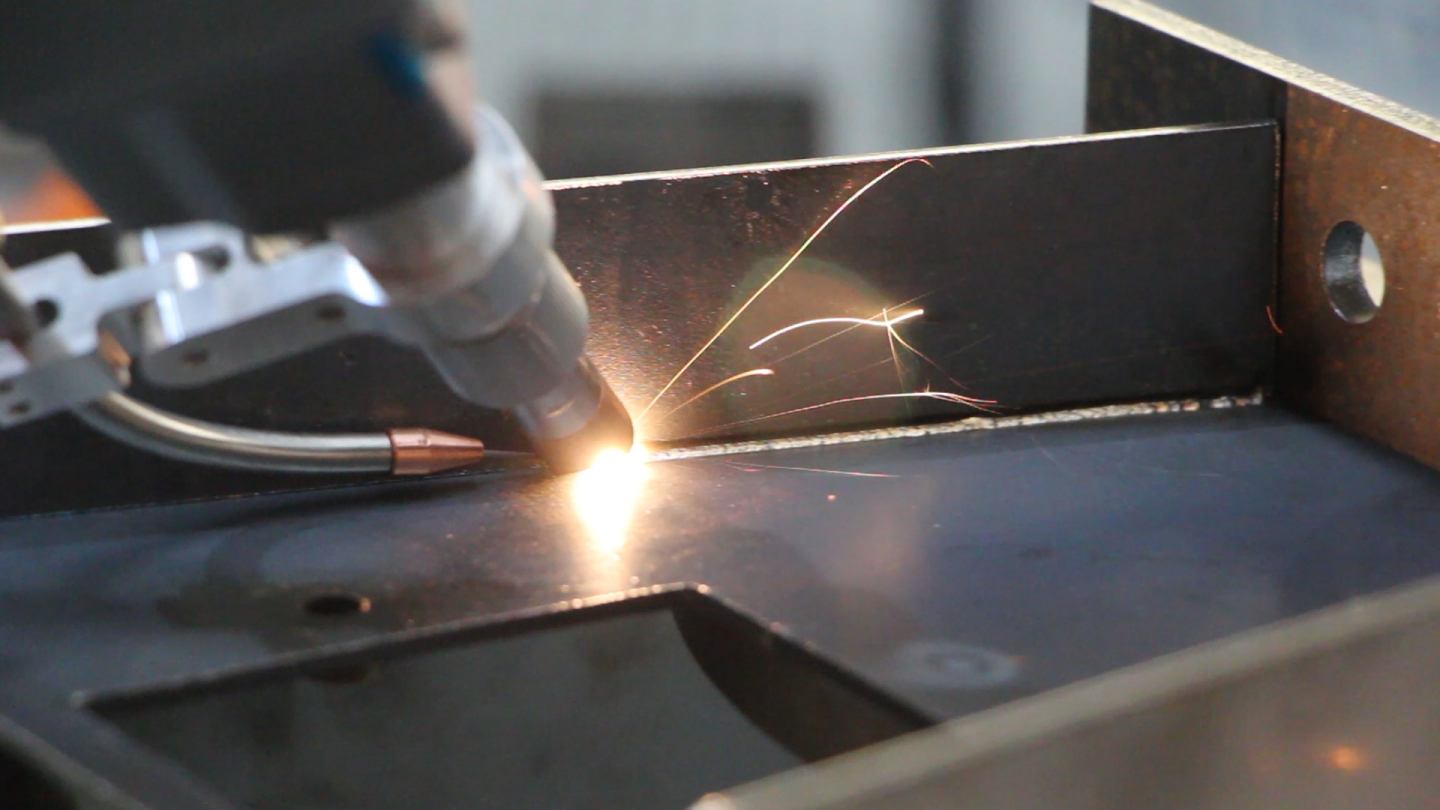
On spec sheets, beam power and travel speed look impressive, but real value lies in job rhythm. A handheld unit that outruns fit‑up, fixturing, or inspection simply idles between parts. For small batches and prototypes, ultra‑high speed is often underused, while a steady mid‑range system stays busy all week. Some shops test this by sending a typical order to a specialist and timing everything from drop‑off to final delivery, then comparing it to in‑house arc work. If only the weld bead is faster but overall lead time barely moves, the real bottleneck is likely cutting, forming, or scheduling – not the joining step itself.
Local fabricators often do short runs and mixed materials, where startup, recall, and fixture changes take longer than welding. Compact fiber lasers with presets and job libraries let operators switch between stainless, carbon, and aluminum with minimal tweaking. If the part mix is unpredictable or seasonal, renting or using outside services during peaks beats buying a flagship unit that sits idle half the month.
Shorter weld cycles compress what an operator must do while the arc or beam is active: align edges, watch the keyhole, adjust angle, note parameters, and check cosmetic quality. Faster passes demand higher attention and hand stability. A shop planning to buy a unit needs time for procedures, safety updates, and practice runs. Those relying on outside providers can first confirm team readiness by reviewing sample welds on live jobs before committing capital.
Choosing output level is less about bragging rights and more about actual workload. For thin stainless enclosures, signage, or light frames, oversized power mostly adds cost and complicates fine control. Beam quality, spot size options, pulse/wobble control, and low‑heat stability matter more. Shops moving between small boxes and thicker frames often want a "do‑everything" unit, but that usually means compromise at both ends. A lean in‑house system for everyday sheet work, plus occasional access to higher power through a partner, covers more ground with less idle capacity.
High‑output sources need stable three‑phase power, chiller space, airflow, and coolant maintenance—costs beyond the sticker price. Where power or temperature control is limited, running a large unit near its limits risks trips and downtime. Renting shifts cooling, filtration, and temperature control to the provider, avoiding costly upgrades for a small shop.
As energy density rises, the process window narrows. Gaps, torch angle, travel speed, and wire feed become less forgiving. New users often run high‑power units at reduced settings to avoid burn‑through. For early adopters still building skill, having a service partner handle the toughest joints—heavy sections, exotic alloys, deep seams—lets the local crew grow into the process instead of fighting it from day one.
Buying a source has high upfront cost but lowers marginal cost per bead over time. Renting or outsourcing seems cheap at first and scales with volume. Neither is inherently cheaper. The real question is whether steady work can keep a machine fed enough to justify its place on the floor. Shops with consistent product lines and recurring orders lean toward ownership; project‑driven job shops with volatile pipelines are better off paying only when the beam is on.
Consumables, optics cleaning, coolant care, and occasional part swaps seem small, but each unplanned stop disrupts delivery. Outsourcing bakes those risks into the service rate; the provider handles broken connectors, clogged filters, or tuning. With ownership, all that risk stays in‑house. There's also the hidden cost of trial runs, scrap from early experiments, and hours dialing in new joints. Some shops first push that learning onto service partners, then buy a unit once joints, parameters, and inspection criteria are well understood.
A blended approach is increasingly popular: one mid‑range handheld system stays on site for daily parts, while occasional thick sections, unusual alloys, or cosmetic‑critical pieces go to a specialist. This keeps core capability and response time in‑house, avoiding cash tied up in seldom‑used capacity. External providers then act as a “surge tank” for volume spikes and edge‑case technical challenges.
| Scenario type | Ownership tendency | Service / rental tendency |
|---|---|---|
| Stable products, repeat contracts | Strongly favored | Used as overflow or for niche joints |
| Highly variable, prototype‑heavy work | Consider only flexible systems | Often favored to avoid mis‑sizing equipment |
| Limited power and floor infrastructure | Requires extra investment | Often favored to sidestep facility upgrades |
| Team rich in process engineers | Extracts more value from gear | Used selectively for cutting‑edge applications |
Compact carts with fiber delivery and handheld heads feel like power tools. Operators roll the source to racks, frames, or installed assemblies—no need to move heavy parts to a fixed bay. Ideal for repair, retrofits, and large fixtures that rarely leave their stations. Unlike traditional systems with separate power sources, cables, gas bottles, and tables, modern units have a smaller footprint and less setup clutter.
With a light gun and flexible cable, welders can stand, kneel, or climb a platform while keeping the spot in tight corners. Overhead brackets, inside corners of cabinets, and awkward joint lines are easier to reach without constant repositioning. That mobility pays off most where part geometry is inconsistent or where work travel is a daily reality – on‑site modifications, field repairs, or spread‑out factory layouts.
Portability does not remove the need for steadiness and visual judgment. In many ways, it shifts some “stability” from fixtures and massive tables to the operator’s hands. Small changes in distance and angle show up more quickly in bead shape, especially at higher travel speeds. Short, focused training blocks, simple fixture aids, and well‑chosen presets help new users avoid chasing surface defects and porosity across a run of parts.
Narrow beads, shallow heat‑affected zones, and low spatter are where beam‑based systems excel. Thin stainless skins, architectural brackets, and decorative metalwork benefit from flatter seams that need only light brushing. Less heat keeps panels flat and holes round, simplifying assembly. For electronics housings and appliance panels, this stability means fewer fit‑up issues and less belt sanding.
The same precision that creates crisp seams also exposes sloppy prep. Wide gaps, poor edge quality, or oil‑stained surfaces cause lack of fusion or porosity faster than in a forgiving arc puddle. Some handheld heads use beam wobble and wire feeding to widen the bead and bridge gaps, but careful cutting and clamping still help. In contrast, traditional processes can bury rough fits under generous fillets, especially on structural parts where looks are secondary.
Heavy sections, thick flanges, and large fillet volumes still favor conventional arcs or hybrid processes. Filling deep bevels over multiple passes remains efficient with large weld pools and robust wire feeding, which experienced welders find comfortable. For emergency field fixes with unknown steels, rusty surfaces, or poor access to shielding gas, traditional gear is hard to beat. Many shops gradually map tasks: light, visible, distortion‑sensitive joints to the beam; heavy, hidden, or rough prep joints to arcs.
| Joint or part type | Beam‑focused approach | Arc‑focused or mixed approach |
|---|---|---|
| Thin sheet cosmetic seams | Strongly preferred | Used mainly for legacy jobs |
| Medium‑thickness structural brackets | Either, depending on volume | Commonly retained where fillets are acceptable |
| Very thick plate and deep bevels | Sometimes used as a root pass | Commonly preferred for fill and cap passes |
| Field repairs with poor surface condition | Used selectively with prep | Commonly preferred for robustness |
Three questions simplify the decision. How many days per month does joining work truly occupy? How concentrated are materials and thicknesses? How eager is the team to tune parameters and develop new procedures? High workload, narrow material ranges, and a curious crew all support owning a capable portable unit. Sporadic jobs, shifting alloys, and a team already stretched thin point toward building strong relationships with outside specialists first.
For many shops, the most sustainable path is incremental. Start by sending sensitive or rush jobs to experienced providers. Study results, request parameter summaries where possible, and track defect and rework rates. Once patterns emerge – common alloys, repeat thicknesses, consistent joint designs – choose a compact unit tailored to that “sweet spot.” Keep the external channel open for unusual materials, large structures, or overflow. Instead of betting everything on day one, capability grows alongside orders, people, and confidence.
In that middle ground, local metalworkers gain both: a fast, precise tool they can roll to any bay, and a network of partners ready to handle extremes. Speed, power, and price then become levers to balance rather than battles to win, letting each shop shape a joining strategy that fits its own pace, risk tolerance, and ambitions.
How do portable laser welding machines compare to traditional welding methods for on-site jobs in Seattle?
Portable laser welding equipment offers lower heat input, minimal distortion, and cleaner seams than MIG/TIG, making it ideal for on‑site repairs or precision work, but it requires higher upfront investment and operator training.
What key factors influence laser welding equipment prices and how should I read a price list?
Prices vary with power (W), laser source type, cooling system, automation level, and included safety gear. A good price list clearly separates base unit, options, consumables, warranty, and installation or training costs.
When is it better to hire laser welding equipment in Seattle instead of buying it?
Hiring is preferable for short‑term projects, testing new processes, or when cash flow is tight. It avoids maintenance burdens and lets you try different models before committing to a purchase.
What should I check before buying laser welding equipment for a small fabrication shop?
Confirm application fit (materials, thickness, joint types), power requirements, footprint, safety compliance, after‑sales support, spare parts availability, and whether local training and quick service are offered.
How do I choose between buying equipment and using laser welding services in Seattle?
If you have steady, repetitive laser welding work, buying may offer better long‑term savings. For occasional or highly specialized jobs, outsourcing to laser welding services keeps quality high without capital expenditure.