
x
If you’re weighing paving options for a new driveway or patio, this guide compares asphalt with pavers, explains permits and drainage fixes, and shows how to choose nearby contractors, plan timelines and material lead times, and decide whether and how to finance the project.
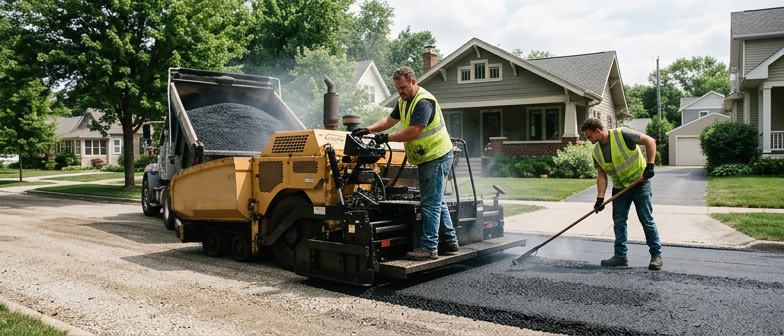
When planning paving for a driveway or patio, start by deciding how you will use the space and how it should fit your home’s style. Clarify whether you need a surface that handles vehicle traffic, emphasizes looks for outdoor seating, or blends both goals. Once the purpose and layout are clear, request a driveway paving quote from local contractors that reflects your soil, access, drainage, and design details. Defining size, edges, and any borders or patterns helps professionals price the job accurately and reduces costly changes after work begins.
Before you sign a contract, ask each paving contractor how long a typical driveway or patio project like yours will take, including demolition, base preparation, and final compaction or curing. Confirm whether inspections, weather, or permitting could extend the schedule. Discuss paving material lead times so you know if your preferred asphalt mix, concrete, or pavers are in stock or must be ordered ahead. Building these timing details into your plan helps you choose a realistic start date, arrange temporary parking, and coordinate other home projects around the installation.
When you compare an asphalt driveway with one built from concrete pavers, the trade-offs come down to budget, appearance, and maintenance. Asphalt usually offers a lower upfront cost and a smooth, dark surface that hides stains, but it can soften in heat, show oil spots, and often needs periodic sealing. A paver driveway costs more and needs careful base preparation, yet damaged units can be swapped out, and color and pattern options are wide-ranging. Interlocking pavers can improve traction and, over a well-designed base, help with drainage in areas with freeze–thaw cycles or frequent de-icing. If you want a quick, cost-conscious upgrade, asphalt is typically faster and cheaper; if long-term curb appeal and flexibility matter more, pavers often justify the higher initial investment.
The same comparison applies to patios, but comfort and design matter more than vehicle loads. A paver patio lets you mix colors, borders, and textures that mimic stone or brick, and the joints reduce glare and feel less harsh under bare feet. Asphalt can work for informal seating or play spaces and may go down faster, yet its dark color can become hot in full sun and offers little visual detail next to planting beds. Whatever you choose, ask your contractor about paving material lead times, because factory schedules, trucking capacity, and seasonal demand can delay specific paver styles or specialty aggregates. Planning around those lead times helps you avoid having your driveway or patio excavation sit open while you wait for the exact mix or pattern you selected.
| Surface Type | Best For | Maintenance Level | Installation Speed | Notes on Lead Times |
|---|---|---|---|---|
| Asphalt driveway | Budget vehicle use | Medium | Fast | Materials often readily available |
| Paver driveway | Curb appeal and repair flexibility | Medium to high | Moderate | Specific patterns may face scheduling delays |
| Asphalt patio | Simple play or seating areas | Medium | Fast | Usually fewer style-related delays |
| Paver patio | Design-focused outdoor rooms | Medium to high | Moderate to slow | Popular colors and textures may have longer lead times |
| Mixed materials | Balancing cost and appearance | Medium | Varies | Plan early when combining multiple products |
When you contact driveway paving contractors nearby, confirm they are licensed, insured, and experienced with projects like yours, including local soil and climate. Ask how they handle base preparation and drainage, and request references with photos of driveways that are a few years old so you can see how their work lasts. Favor contractors who answer clearly, explain recommended materials, and provide a written scope of work instead of focusing only on price or vague promises.
Before you get a driveway paving quote, measure the area, note any drainage issues, and share your preferred start window so estimates are realistic. Ask each contractor to separate labor, materials, and extra costs such as permits or removal of the old surface, and to state how long the paving will take after work begins. Discuss paving material lead times for asphalt, base stone, or pavers, and make sure the written proposal spells out schedule assumptions and what happens if weather or deliveries are delayed.
Before driveway paving starts, many local governments require a paving permit to confirm the work meets safety and zoning rules. Learning how to get a paving permit usually begins with checking whether the project changes street access, adds impervious surface, or alters drainage. Common paving permit requirements include a simple site sketch, basic dimensions, and in some areas proof of stormwater management. Driveway paving contractors can explain which office issues the permit, what fees apply, and how far in advance to apply so the paving schedule is not delayed.
Proper drainage is just as important as the permit, because water is a major cause of early driveway failure. A professional driveway paving drainage assessment reviews slope, soil, nearby structures, and existing runoff paths. The goal is to fix drainage before driveway paving by correcting low spots, regrading to move water away from the house and garage, and adding swales, drains, or outlets where needed. Addressing these issues in the permit plan and on site helps prevent puddling, ice, edge erosion, and cracks caused by trapped moisture.
Once permitting and drainage are set, site preparation creates the stable base the paved surface needs. Crews remove soft or organic material, compact the subgrade, and install a graded aggregate base that follows the slopes approved in the permit. This step links the paperwork to the field work, confirming that what was promised in the application is actually built. When permit conditions, drainage design, and base preparation line up, the finished driveway is far more likely to last without costly early repairs.
A driveway paving drainage assessment starts with watching how water moves across your yard during normal rain. Note where water pools, how long puddles linger, and whether runoff flows toward the house, garage, or existing driveway. A contractor may check slope with a level or laser, inspect gutters and downspouts, and look for signs of past problems like heaving, erosion, or cracking near the planned paving area to confirm water will drain away from the new surface.
You should fix drainage before driveway paving while the ground is still open. Common steps include regrading the sub-base to create a gentle pitch, adding shallow channels or swales to steer runoff, installing French drains or catch basins in low spots, and redirecting downspouts away from the driveway so water does not undermine the base or shorten the life of the pavement.
When you finance a driveway paving project, start by setting a realistic total budget that covers more than the visible surface. Ask contractors to separate costs for base preparation, labor, permits, and contingencies so you can compare bids consistently and see how much you might need to borrow. Lenders that provide asphalt paving financing usually review your credit score, existing debt, income stability, and sometimes home equity to decide eligibility and interest rates. Before you sign, test the monthly payment against your household budget, include any down payment, and weigh whether a shorter term with higher payments will reduce overall interest on the project.
Budget planning must also account for timing, because paving material lead times affect both scheduling and cash flow. If asphalt, pavers, or aggregates are delayed or on backorder, your contractor may phase the work, which can shift progress payments and extend how long you carry the loan before the driveway or patio is finished. Build a small cushion for possible price changes between the quote and delivery, and confirm in writing how long the contractor will honor quoted prices. Coordinate your financing approval window with expected delivery and installation dates so you avoid expired offers, rushed choices, and surprise costs as the job moves toward completion.
How should I plan a driveway or patio paving project before requesting quotes?
Decide use, size, vehicle weight, and style. Sketch the area, note soil, access, and any borders or patterns so paving contractors can price the same scope in writing.
What are the key differences between an asphalt driveway and interlocking pavers?
Asphalt costs less and installs faster, giving a smooth dark surface but needs sealing and can soften in heat. Paver driveways cost more yet look better, handle spot repairs, and give good traction.
How can I choose reliable driveway paving contractors nearby?
Verify license, insurance, and local paving experience. Ask how they build the base and deal with drainage, request recent jobs, and compare detailed written scopes instead of just price.
How do I deal with permits and drainage before paving a driveway?
Check with your local office about paving permit requirements, drawings, and fees, and apply before scheduling. Have the contractor assess slope and fix any grading that sends water toward buildings.
What affects paving duration, material lead times, and scheduling?
Small asphalt driveways may pave in a day after base work; paver drives and patios often take several days. Weather, inspections, and lead times for pavers or base stone can extend the schedule, so confirm dates in the contract.