
x
Jeśli zastanawiasz się, czym jest GLP‑1, jak działają jego analogi i kiedy lekarz może zaproponować leczenie preparatem takim jak Ozempic, poniższy tekst porządkuje najważniejsze informacje o efektach, dawkowaniu, możliwych skutkach ubocznych oraz orientacyjnych kosztach terapii.
GLP-1, czyli glukagonopodobny peptyd 1, to naturalny hormon jelitowy należący do tzw. inkretyn. Odpowiada on na pytanie: GLP-1 – co to jest – przede wszystkim jako cząsteczka wydzielana po posiłku przez komórki przewodu pokarmowego. Hormon ten pobudza trzustkę do wydzielania insuliny wtedy, gdy rośnie poziom glukozy we krwi, a jednocześnie hamuje nadmierne wydzielanie glukagonu, który podnosi cukier. Dzięki temu GLP-1 pomaga utrzymać bardziej stabilny poziom glikemii po jedzeniu i zmniejsza ryzyko gwałtownych wahań cukru, co ma szczególne znaczenie u osób z cukrzycą typu 2.
Działanie GLP-1 nie ogranicza się jednak tylko do regulacji glukozy. Hormon ten spowalnia opróżnianie żołądka, co powoduje wolniejsze wchłanianie składników odżywczych, oraz wysyła sygnały sytości do mózgu, zmniejszając apetyt i spontaniczne podjadanie. W efekcie może sprzyjać stopniowej redukcji masy ciała, jeśli towarzyszy mu odpowiednia dieta i aktywność fizyczna. Zrozumienie, czym jest GLP-1 i jak wpływa jednocześnie na trzustkę, przewód pokarmowy i ośrodek głodu w mózgu, stało się podstawą do opracowania leków naśladujących jego działanie, wykorzystywanych dziś w terapii cukrzycy typu 2 oraz w leczeniu otyłości.
Analogi GLP-1 to leki naśladujące działanie naturalnego hormonu jelitowego GLP-1, który reguluje wydzielanie insuliny, hamuje glukagon i spowalnia opróżnianie żołądka. Dzięki temu pomagają obniżać poziom glukozy we krwi u osób z cukrzycą typu 2, a jednocześnie sprzyjają redukcji masy ciała poprzez zmniejszanie apetytu i szybsze odczuwanie sytości. W praktyce klinicznej stosuje się je głównie u pacjentów, u których sama dieta, aktywność fizyczna i klasyczne leki doustne nie wystarczają do uzyskania prawidłowej kontroli glikemii. Dodatkową zaletą tych preparatów jest korzystny wpływ na układ sercowo-naczyniowy u wybranych chorych wysokiego ryzyka, co sprawia, że analogi GLP-1 są dziś jedną z ważniejszych nowoczesnych opcji w terapii cukrzycy i otyłości.
Dostępność analogów GLP-1 na receptę oraz ich refundacja są regulowane przez krajowe przepisy i komunikaty ministra zdrowia, które określają wskazania, poziom dofinansowania i ewentualne ograniczenia stosowania. W Polsce część preparatów z tej grupy jest refundowana dla chorych spełniających określone kryteria, na przykład dotyczące typu cukrzycy, stopnia wyrównania glikemii czy współistniejących powikłań. Szczegółowe informacje o tym, które leki z grupy agonistów receptora GLP-1 są aktualnie dostępne, w jakich dawkach i czy przysługuje do nich refundacja, można sprawdzić w oficjalnym wykazie leków dopuszczonych do obrotu lub w wyszukiwarkach refundacyjnych. Ze względu na możliwe zmiany list refundacyjnych pacjent powinien każdorazowo omawiać wybór konkretnego preparatu, schemat dawkowania i przewidywane koszty terapii z lekarzem prowadzącym, który uwzględni zarówno skuteczność, jak i bezpieczeństwo leczenia.
| Typ analogu GLP-1 | Częstotliwość podawania | Główne wskazanie | Profil pacjenta | Uwagi dotyczące refundacji |
|---|---|---|---|---|
| Krótko działający | Codziennie | Cukrzyca typu 2 z niewyrównaną glikemią | Pacjent wymagający elastycznej modyfikacji dawki | Często refundowany przy spełnieniu ścisłych kryteriów |
| Długo działający | Raz w tygodniu | Długotrwała kontrola glikemii i masy ciała | Osoba preferująca rzadsze wstrzyknięcia | Refundacja możliwa przy wysokim ryzyku sercowo-naczyniowym |
| Skoncentrowany na redukcji masy ciała | Raz dziennie lub raz w tygodniu | Otyłość współistniejąca z cukrzycą typu 2 | Pacjent z nadwagą i niepowodzeniem diety oraz aktywności | Refundacja zwykle bardziej ograniczona |
| Z udowodnionym wpływem sercowo-naczyniowym | Raz dziennie lub raz w tygodniu | Cukrzyca typu 2 z chorobą serca | Chory wysokiego ryzyka sercowo-naczyniowego | Często preferowany w programach refundacyjnych |
Lekarz rozważa włączenie analogów GLP-1 przede wszystkim u osób z cukrzycą typu 2, u których mimo stosowania metforminy, modyfikacji diety i zwiększenia aktywności fizycznej nadal nie udaje się uzyskać zadowalającej kontroli glikemii. Takie leczenie bierze się pod uwagę także wtedy, gdy pacjent ma dodatkowo nadwagę lub otyłość, podwyższone ryzyko sercowo‑naczyniowe albo już przebyte choroby serca, a inne leki przeciwcukrzycowe są niewystarczające lub źle tolerowane.
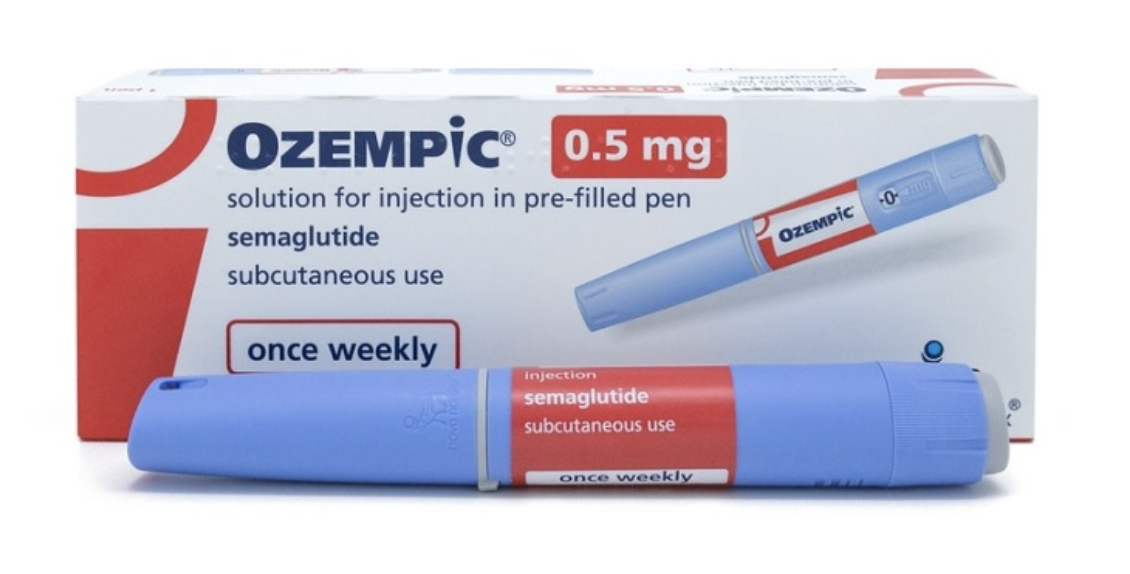
Ozempic jest jednym z najbardziej znanych leków z grupy analogów GLP-1 stosowanych głównie w leczeniu cukrzycy typu 2, a przy okazji wpływających na masę ciała. Należy do agonistów receptora glukagonopodobnego peptydu 1, czyli substancji naśladujących działanie naturalnego hormonu GLP-1. Dzięki temu wspomaga wydzielanie insuliny, obniża poziom glukozy we krwi i spowalnia opróżnianie żołądka, co może zmniejszać apetyt. W praktyce klinicznej ten rodzaj terapii rozważa się u osób, u których leczenie doustne nie zapewnia dobrej kontroli glikemii lub współistnieje otyłość.
Stosowanie leku jest ściśle związane z odpowiednio dobranymi dawkami, dlatego schemat zwiększania Ozempic pacjent powinien zawsze omawiać z lekarzem prowadzącym. Zwykle terapia zaczyna się od niższej dawki podawanej raz w tygodniu, a następnie, w zależności od tolerancji i efektów, możliwe jest stopniowe zwiększanie ilości leku. Taki sposób dawkowania ma ograniczyć ryzyko działań niepożądanych ze strony przewodu pokarmowego i jednocześnie zapewnić skuteczną kontrolę glikemii. Ozempic jest więc przykładem, jak nowoczesne leki z grupy GLP-1 mogą być etapowo włączane do planu leczenia, często obok metforminy lub innych preparatów.
Rozpoczynając terapię, pacjenci powinni być świadomi możliwych skutków ubocznych, głównie nudności, wymiotów, biegunki, zaparć czy bólów brzucha, szczególnie na początku stosowania i przy zwiększaniu dawki. W rozmowie z lekarzem warto też poruszyć kwestię kosztów, ponieważ cena Ozempic zależy od dawki, wielkości opakowania, poziomu refundacji oraz wybranej apteki. Omawiając różne analogi GLP-1, dobrze jest więc wziąć pod uwagę zarówno oczekiwaną skuteczność i bezpieczeństwo, jak i realne obciążenie finansowe związane z długotrwałym leczeniem.
Schemat dawek leku Ozempic opiera się na stopniowym zwiększaniu ilości leku, aby organizm mógł się przyzwyczaić i zmniejszyć ryzyko działań niepożądanych ze strony przewodu pokarmowego. Zazwyczaj leczenie zaczyna się od najmniejszej dawki podawanej raz w tygodniu, zawsze tego samego dnia, o podobnej porze, niezależnie od posiłków. Kolejne zwiększanie dawki następuje dopiero po określonym czasie, jeśli lekarz uzna, że jest to bezpieczne i potrzebne dla lepszego wyrównania glikemii lub kontroli masy ciała.
Ozempic, lek z grupy analogów GLP-1 stosowany głównie w leczeniu cukrzycy typu 2, może wywoływać działania niepożądane, które u wielu osób pojawiają się szczególnie na początku terapii lub po zwiększeniu dawki. Do typowych objawów należą nudności, wymioty, biegunka, zaparcia, wzdęcia, uczucie pełności po małym posiłku, a także ból brzucha czy lekki spadek apetytu. Część pacjentów zgłasza również bóle głowy, osłabienie, zawroty głowy albo miejscowe reakcje skórne w miejscu wstrzyknięcia. Takie łagodniejsze skutki uboczne Ozempicu zwykle ustępują po kilku dniach lub tygodniach, ale zawsze warto je omówić z lekarzem prowadzącym, szczególnie jeśli utrudniają codzienne funkcjonowanie lub pojawiają się nagle po okresie dobrej tolerancji leku.
GLP-1 – co to jest i jak działa w organizmie?
GLP-1 to hormon jelitowy wydzielany po posiłku. Zwiększa wydzielanie insuliny, gdy rośnie poziom glukozy, a jednocześnie hamuje glukagon. Dzięki temu wyrównuje glikemię po jedzeniu i zmniejsza ryzyko nagłych wahań cukru, co jest ważne u osób z cukrzycą typu 2.
Czym są analogi GLP-1 i kiedy lekarz może je zaproponować?
Analogi GLP-1 to leki naśladujące działanie GLP-1. Stosuje się je u chorych na cukrzycę typu 2, gdy dieta, ruch i metformina nie wystarczają lub gdy współistnieje otyłość czy wysokie ryzyko sercowo‑naczyniowe.
Jak wygląda dawkowanie leku Ozempic?
Ozempic podaje się raz w tygodniu, zwykle zaczynając od najmniejszej dawki. Lekarz stopniowo ją zwiększa w kilku etapach, aby ograniczyć dolegliwości żołądkowo‑jelitowe i jednocześnie poprawić kontrolę glikemii oraz masy ciała.
Jakie są najczęstsze skutki uboczne Ozempicu?
Najczęściej pojawiają się nudności, wymioty, biegunka lub zaparcia, wzdęcia, ból brzucha, uczucie szybkiej sytości oraz lekki spadek apetytu. Możliwe są też bóle głowy, zawroty czy podrażnienie w miejscu wstrzyknięcia. Uporczywe objawy trzeba zgłosić lekarzowi.
Od czego zależy cena leków z grupy GLP-1, takich jak Ozempic?
Koszt terapii zależy od dawki, częstotliwości stosowania, refundacji, marży apteki oraz tego, czy kupujesz oryginalny preparat czy inny lek z tej grupy. Dokładną cenę i ewentualną refundację najlepiej sprawdzić w konkretnej aptece.