
x
For many animal guardians, a new lease isn’t just about square footage, transit access, or views. It is about making sure a companion is not only tolerated, but truly considered in the way a building is run. Rules, fees, layouts, amenities, and even the surrounding streets all decide how comfortably you can share a home.
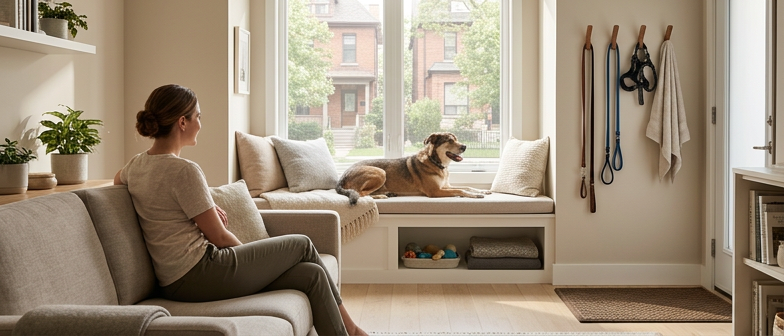
A rental can advertise itself as welcoming animals and still feel icy once you read the agreement. Treat the pet section like a checklist, and assume nothing until you see it in writing.
Start with the basics: how many animals are allowed, and what kind? Some properties cap it at one, or write in size limits or restrictions on particular breeds. A single line about maximum weight can rule out many medium and large dogs. If you live with more than one animal, or a bigger one, clarity here matters before you hand over a deposit.
Then dig into the money. Look for a deposit, an additional fee, and a monthly charge tied specifically to your companion. A fee is typically one‑time and non‑refundable. Monthly charges are added on top of your base rent. Add everything up over a full year to understand what your “true rent” will look like.
The fine print is where future arguments often hide. Look at how damage is defined and who decides what counts as “excessive.” Some agreements require you to steam‑clean carpets, repair scratches, or pay for any animal‑related issue “at the landlord’s sole discretion.” Vague language can mean surprise bills at move‑out.
Guest rules matter too. In some places, a visiting dog or cat is treated exactly like a permanent one, with the same fees and restrictions.
Finally, review the move‑out section. Some landlords automatically keep a portion of your deposit for “pet cleaning,” or insist on professional services with a receipt. If anything seems fuzzy, ask for examples and request that expectations be written in simple, clear language before you sign.
| Clause or fee to check | Why it matters for you and your animal | What to ask before signing |
|---|---|---|
| Maximum number and size | Affects multi‑pet homes and guardians of larger breeds | Whether exceptions are possible and how they are documented |
| Deposit, fee, and monthly add‑on | Changes the real cost of staying over time | How each amount is used and under what conditions it is refunded |
| Damage and cleaning language | Risk of large end‑of‑lease charges | Concrete examples of “normal wear” versus chargeable damage |
A place that truly works for you and your animal is about much more than permission. Everyday comfort and practical features can turn stressful routines into manageable ones.
Layout is one of the most underrated parts of animal‑friendly living. Wide entryways and hallways make it easier to manage leashes and carriers. Durable, easy‑to‑clean flooring can handle muddy paws, shedding, and accidents better than delicate materials. Even a small bump in usable space matters once you factor in beds, crates, scratching posts, and toys.
In‑unit laundry feels like a luxury until shedding season or a streak of wet weather hits. Being able to wash blankets, towels, and pet bedding without a building trip saves time and keeps your place fresher. Reliable heating and cooling matter for animals that are sensitive to temperature changes, especially when they are alone during the day.
Amenities that support your schedule indirectly support your companion. Responsive maintenance and secure package storage mean fewer errands and more energy left for walks, training, or playtime.
Some buildings offer features designed with four‑legged residents in mind. A wash station near an entrance or park access lets you rinse off mud and snow before you track it through hallways and elevators. Proximity to parks, multi‑use paths, or even a small, fenced patch of grass makes early morning and late‑night trips easier and safer.
It also supports better exercise and mental stimulation, which often leads to calmer behaviour indoors. Clear, well‑communicated rules around animal numbers, size, and fees can be a quiet amenity as well. When expectations are transparent, you can plan long term instead of wondering whether a policy might suddenly change.
| Amenity or feature | How it helps day to day | When it is especially valuable |
|---|---|---|
| Wash station or rinse area | Reduces mess and cleanup after wet or muddy outings | With active dogs or access to trails and unpaved paths |
| Nearby green space or paths | Makes bathroom breaks and exercise safer and consistent | For dogs needing several outings and regular activity |
| Durable, easy‑clean flooring | Handles fur, claws, and small accidents with less stress | In homes with puppies, seniors, or multiple animals |
A comfortable life with an animal starts before you walk into a unit. The blocks around a building shape your daily routine, sense of safety, and how relaxed your walks feel.
Walk the neighbourhood at the times you would normally take your companion out: early morning, after work, or late evening. Notice lighting, sidewalk width, traffic speed, and how many other animals you see. A listing that mentions nearby parks or trails might translate into quieter, more pleasant walks, while a busy road could mean constant noise and more stressful outings.
Online filters that show rentals open to animals are useful as a first pass. Study the map view for distance to green spaces and basic services like grooming, veterinary care, and supply shops. A place that looks convenient on a screen can feel very different when you stand at the corner with a leash in hand.
If possible, listen for sounds inside the building’s hallways and lobby. Frequent loud noises, echoes, or thin walls can be hard on noise‑sensitive dogs and may lead to more barking or stress. Quiet, well‑maintained common areas usually hint at better day‑to‑day experiences.
Once the surroundings feel right, let the layout be your next filter. Photos and floor plans help you picture how your companion will live there. Look for a spot for food and water bowls that is not in the way of main traffic. Think about where a litter box, crate, or bed can go without blocking doors or windows.
Consider your animal’s habits. Energetic dogs often do better in open living spaces where they can move without weaving through furniture. Shy or easily startled cats may appreciate quiet corners, closets, or shelves that could become vertical territory. Details like door placement, balcony design, and railing height all play into safety and comfort.
Scan for practical signs: whether flooring changes create tripping points, how easy it is to reach the door from main living areas, and whether there is a spot near the entrance for hooks, towels, and leashes. Never rely on a single tag or checkbox in an online listing. Ask directly about size limits, breed rules, extra deposits, and where animals are allowed within the property.
In competitive rental markets, being the applicant with an animal can feel like a disadvantage. The key is to reduce uncertainty for the person choosing tenants and show that you are thoughtful, organized, and proactive.
Landlords often worry about noise, damage, and complaints from neighbours. A brief, clear profile for your animal can address those concerns.
Keep it straightforward: name, age, approximate size, health basics, and how long they have lived with you. Add a short section about training and routine: whether they are crate trained, used to apartment living, regularly exercised, or attend daycare or classes. A calm, friendly photo helps put a face to the description.
Pair this with proof that you are a stable renter. Organized documents such as income verification, references, and a concise summary of your work schedule show that you are predictable and responsible. Someone who clearly plans for their companion’s needs is less likely to cause problems in a shared building.
Personal references can make a big difference, especially where leases often start from a no‑animals position. A former landlord who can confirm that you paid on time, maintained the unit, and left it in good shape carries a lot of weight. If that is not an option, a neighbour, employer, pet sitter, or dog walker who has seen you manage your companion in shared spaces can vouch for your reliability.
A short cover note ties everything together. Briefly explain who you are, thank the landlord for considering a renter with an animal, and outline your routines around walks, cleaning, and grooming. Mention that you are open to reasonable rules and, if appropriate within local norms, that you are willing to agree to professional cleaning at move‑out or a modest extra deposit.
How can I quickly filter reliable Pet Friendly Apartments For Rent in Canada online?
Use major listing platforms and turn on filters for Pet Friendly Apartments and Pet Friendly Housing, then refine by “dogs allowed” or “cats allowed.” Cross‑check each listing against landlord or building websites, read reviews mentioning pets, and call to confirm size limits, fees, and any restrictions before booking a viewing.
What should dog guardians prioritize when viewing Dog Friendly Apartments or Pet Friendly Rental Homes?
Focus on durable flooring, elevator or stair access that works with leashes, and nearby safe green space for late‑night walks. Ask where dogs are allowed onsite, whether there is a wash area, noise expectations, and how complaints are handled so you know the building culture supports responsible dog ownership.
Are Cat Friendly Apartments different from general Apartments That Allow Pets in practice?
Yes, Cat Friendly Apartments usually consider litter box placement, balcony safety, window screens, and noise between units. Look for flexible layouts, good ventilation, and policies that recognize indoor cats. Confirm rules on scratching damage, number of cats allowed, and whether vertical cat furniture is acceptable in the suite.
How can tenants negotiate in Apartments That Accept Pets when policies seem strict?
Prepare a pet resume with vet records, references, and proof of training, then propose reasonable conditions such as professional cleaning at move‑out or slightly higher deposit instead of monthly pet rent. In many Canadian markets, being organized and transparent can persuade cautious landlords to make exceptions to standard pet policies.
What risks should Canadians watch for when choosing Pet Friendly Apartments Near Me or broader Pet Friendly Housing?
Watch for vague clauses about damage, undisclosed monthly pet fees, breed or weight rules that might tighten later, and buildings with poor soundproofing. Always ask how many pets are currently in the building, whether policies have changed recently, and what typically happens if a tenant adopts another animal mid‑lease.