
x
If you’re a cleaner wondering whether your job can lead to an Australian work visa, this guide explains sponsorship paths, DAMA and 494 labour agreements, English and payslip requirements, costs, and what to do if you face underpayment while on a sponsored cleaning visa.
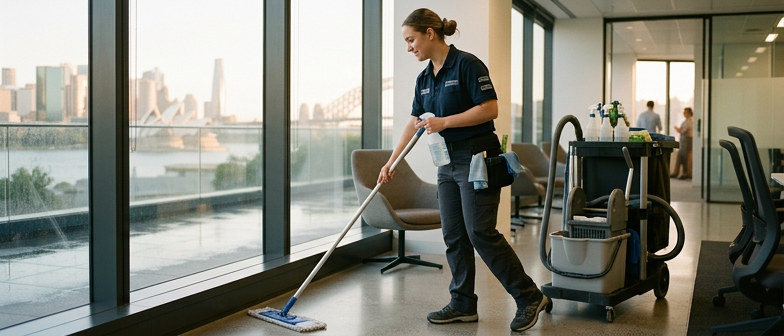
Cleaning roles can sometimes be linked to a work visa, but options are narrower than for higher skilled jobs. When people ask whether cleaners can get a work visa in Australia, they are usually checking if a basic cleaning position can support temporary or permanent sponsorship. In practice, eligibility arises when the job fits a recognised occupation under a labour agreement or regional skilled program. Immigration rules, not just an employer’s preference, decide if a cleaner role is suitable, so the duties, job classification, and program settings all matter when assessing if a cleaner can be sponsored.
Cleaning jobs with visa sponsorship usually occur where an employer is approved to sponsor workers under a skilled or regional visa, or under a labour agreement that covers cleaning occupations. Employers often seek cleaning worker visa advice to confirm which visa subclasses are available and what minimum pay, hours, and conditions must be offered. For individual cleaners, realistic pathways generally involve full‑time positions that are correctly classified under the relevant industrial award and based in areas or sectors that migration programs approve for sponsorship. Understanding this framework helps both cleaners and businesses see when a cleaning job can genuinely support a work visa and when it is unlikely to qualify.
Designated Area Migration Agreements (DAMAs) are arrangements between the Australian Government and specific regional authorities that let local employers sponsor overseas workers in occupations not always covered by standard work visas. For people seeking a cleaning job work visa in Australia, DAMAs matter because regional skills shortages can include commercial cleaners, housekeeping staff or hygiene roles, and these agreements may offer more flexible age, salary and English settings. To see if cleaning work is covered, check the occupation list for the relevant DAMA region and match your actual duties and experience to the description, not just the job title, to work out whether a cleaner role can be sponsored.
To check DAMA occupation eligibility for a cleaner position, start with the official DAMA webpage for the area where the employer operates, as each agreement has its own list, concessions and conditions. Many regional authorities publish guidance explaining how cleaning roles are classified and whether entry‑level or supervisory positions are included. Employers who hold a DAMA labour agreement can then sponsor staff on regional work visas using those terms, while cleaners should confirm that the role, pay, hours and location all align with the DAMA settings before applying, so the visa pathway is structured correctly and compliance risks are reduced.
| Step or Check | Cleaner Focus | Priority Level | Common Risk |
|---|---|---|---|
| Confirm DAMA region applies | Match employer location to DAMA area | High | Wrong region or ineligible postcode |
| Review DAMA occupation list | Align cleaning duties with listed role | High | Relying on job title instead of tasks |
| Check DAMA concessions | Age, English and salary settings for cleaners | Medium | Assuming standard visa rules still apply |
| Verify employer’s DAMA labour agreement | Confirm employer can sponsor cleaning roles | High | Employer using general sponsorship only |
| Assess role details against DAMA | Hours, pay and work type match DAMA terms | High | Offer below award or outside approved scope |
| Seek independent visa advice | Clarify work visa pathway for cleaning job | Medium | Missing compliance issues until application stage |
To check whether a cleaning role is covered by a Designated Area Migration Agreement, go to the official DAMA webpage for the region where the employer is based and download the occupation list or skills table. Look for job titles that match your cleaning duties and note any concessions or special conditions. If the occupation is linked to skilled regional pathways, this usually indicates it can be used for Subclass 494 labour agreement cleaning jobs under that DAMA.
After identifying a relevant occupation, ask the prospective employer whether they already hold, or are prepared to apply for, a cleaning job labour agreement that includes your role. The employer or a registered migration adviser should then confirm the occupation code, qualifications, English level and salary concessions against the regional DAMA terms to ensure the position genuinely meets the agreement before planning any visa application.
For cleaning roles, the Subclass 494 labour agreement stream relies on a formal deal between a regional employer and the Australian Government. That agreement can authorise Cleaning Job Labour Agreement Australia sponsorship where there is a documented shortage of cleaners, allowing 494 labour agreement cleaning jobs as long as the employer meets sponsorship duties such as genuine ongoing work and at least award pay. Conditions like occupation, salary and any concessions are locked into the labour agreement, so nominations for cleaners must follow those terms instead of general employer‑sponsored visa rules.
The English requirement for Subclass 494 under a labour agreement is set by that agreement and often sits around functional or vocational English, with any concessions clearly described. Applicants usually need an approved test plus standard health and character checks, and most agreements expect evidence of commercial or domestic cleaning experience through references and payslips. Who can assess cleaning visa eligibility also depends on the agreement: some name a specific skills assessment authority, while others rely on the sponsoring employer and the Department to decide if your training and experience meet the cleaner occupation standard in the agreement schedule.
To access Cleaning Job Work Visa Australia options under this stream, a regional employer first secures a labour agreement listing cleaner as an eligible role, then lodges a 494 nomination. The cleaner applies for the Subclass 494 visa against that nomination, proving English ability, work history and any required qualifications. This pathway is more tailored than general employer sponsorship because labour agreements can include targeted concessions, such as adjusted English scores or slightly different skill benchmarks for cleaning. Applicants should read the agreement carefully and seek Cleaning Worker Visa Advice Australia if unsure about eligibility before lodging a visa application.
For cleaners seeking work under the Subclass 494 labour agreement stream, visa eligibility is mainly assessed by the sponsoring employer, their registered migration agent or lawyer, and finally the Department of Home Affairs. Employers must show the role matches the approved labour agreement and that the cleaner’s skills, experience and work history in cleaning services are suitable. When you seek cleaning worker visa advice in Australia, using registered migration professionals helps you understand who can assess cleaning visa eligibility and what documents are normally accepted.
English requirements for Subclass 494 under a labour agreement are set in each agreement and usually rely on recognised tests such as IELTS or PTE. Cleaners typically need to show functional or vocational English through recent results or other evidence allowed in the agreement, and some deals may accept slightly lower scores with extra support or training. Because language standards vary between cleaning labour agreements, workers should confirm the specific English requirement with their sponsoring employer before lodging a Cleaning Job Work Visa Australia application.
For migrant cleaners in sponsored cleaning jobs, pay must follow the relevant cleaning industry award and any labour agreement or sponsorship terms. Employers must pay at least the minimum hourly rate, penalty rates for nights, weekends and public holidays, and any casual loading that applies, with superannuation and lawful deductions shown correctly. When a cleaner applies for a temporary or permanent work visa, payslips are key evidence of genuine employment, hours worked and whether the wage meets the nominated salary. Cleaner payslip requirements in Australia usually include the employer’s name, ABN, pay period, gross and net pay, tax withheld, super contributions and a clear breakdown of ordinary and overtime hours, and workers should keep these records safely.
If a migrant cleaner suspects underpayment, late pay or missing super, they can seek confidential help from community legal centres, relevant unions or official workplace rights agencies that specialise in underpayment issues for sponsored workers. These services can review payslips, contracts and rosters to compare actual pay with award rates or labour agreement terms, including where cleaning work is tied to visa sponsorship. Advisers can help workers write to the employer, negotiate back pay or lodge a formal complaint, and explain how a pay dispute might affect a current or future visa application. Keeping complete payslips, timesheets and written communication with the employer makes it easier to prove underpayment and protect both workplace rights and visa status.
Can cleaners get a work visa in Australia, or is sponsorship only for higher skilled jobs?
Cleaners can be sponsored if the role matches an approved occupation and a valid labour agreement, and the job meets skill and minimum pay rules.
How can I check if my cleaning job is on a DAMA occupation list?
Visit the relevant DAMA website, download the occupation list, and match your real cleaning duties to the listed occupation and any concessions.
Who should assess my eligibility for a cleaning role under a labour agreement, such as Subclass 494?
Your employer, together with a registered migration agent or lawyer, can review your case, but the Department of Home Affairs decides using the agreement and your evidence.
What English level is usually required for a 494 cleaning job under a labour agreement?
The agreement sets the English level; expect at least functional English and a test like IELTS or PTE, unless a specific English concession applies.
What can a migrant cleaner do if they are underpaid in a sponsored job?
Keep payslips, compare pay with the cleaning award, and seek help from a union, community legal centre, or workplace regulator, even if you are on a visa.