
x
Choosing a pan tilt security camera often means balancing 360‑degree coverage, indoor or outdoor use, and compliance with ADMCC or SIRA rules. This guide helps you compare PTZ options, understand approval and integration steps, and judge which affordable models near you fit local regulatory and site requirements.
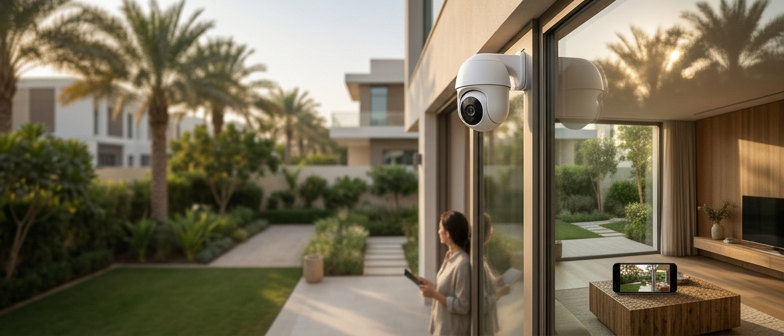
A pan tilt security camera is a surveillance device that rotates horizontally and vertically to cover a wider field of view than a fixed unit. Many models add optical or digital zoom and are described as PTZ, meaning pan, tilt, and zoom. Designs that approach 360‑degree coverage can observe most directions from a single mounting point, helping reduce blind spots in living rooms, retail areas, entrances, and shared corridors. In AE, such cameras are common in homes, small offices, warehouses, and communal facilities where users want flexible monitoring of different zones without installing many static cameras.
Indoor pan tilt cameras are usually compact and intended for controlled environments, with quiet movement and stable integration with existing recorders and video standards. Outdoor pan tilt cameras need more robust housings, resistance to heat, dust, and humidity, and reliable operation on poles or building exteriors. Cost is typically assessed by balancing motion control, image clarity, and secure connectivity against budget limits rather than aiming for the most advanced PTZ features. When comparing options, users first define the installation location, the area to be observed, and how each device will connect to the current or planned CCTV system.
Imaging performance is central when assessing a pan tilt security camera. Resolution, sensor size, lens quality, and frame rate together affect how clearly people and objects can be identified and whether motion in busy areas appears smooth. For cameras that provide wide or near‑360‑degree coverage, optical zoom determines how far a scene can be magnified while retaining useful detail, while digital zoom only enlarges existing pixels and may introduce noise. Low‑light capability, often described through minimum illumination values and functions such as wide dynamic range, shows how well the camera handles mixed lighting, strong backlight from glass surfaces, and dim corridors without losing critical information.
Motion control characteristics influence how practical a pan tilt device is in daily monitoring. Maximum pan and tilt angles, the number of preset positions, available patrol routes, and speed ranges determine how quickly an operator can move from a broad overview to a focused view of an incident. Smooth changes in speed help reduce motion blur when tracking moving subjects, while repeatable movement paths support consistent investigations or comparisons between different models. Latency between a control input and the camera’s response is also important, because noticeable delay can limit effectiveness in live tracking and coordinated security operations.
Integration and reliability factors matter as much as image quality when comparing pan tilt cameras for complex sites. Support for open standards such as common ONVIF profiles can simplify system design, upgrades, and interoperability with existing CCTV infrastructure, whether the camera is installed indoors or outdoors. Network features, including compression efficiency, bandwidth management, and secure transmission options, influence storage planning and basic cybersecurity measures. On the reliability side, enclosure construction, ingress protection rating, operating temperature range, and resistance to dust or vibration indicate whether a model is better suited to controlled indoor spaces or long‑term use in demanding outdoor environments.
Indoor pan tilt security cameras are usually compact and quiet so they blend into offices, homes, or retail spaces. They focus on wide movement ranges, usable zoom, and reliable integration with existing recording or management systems. To support workplace or household privacy, many models offer configurable masking zones and recording schedules aligned with internal policies.
Outdoor pan tilt security cameras depend on robust housings, weather protection, and stable operation in heat, dust, or humidity. For perimeter or car park monitoring, organisations typically compare models by field of view, environmental and impact ratings, night imaging quality, and maintenance needs, aiming to balance durability, long term cost, and practical performance.
For pan tilt security cameras and wider PTZ deployments, local frameworks such as ADMCC and SIRA shape decisions on design, equipment selection, and documentation. ADMCC guidance links CCTV coverage to safety and incident investigation, with specific attention to camera placement, image quality, retention periods, and integration with approved monitoring platforms. When 360‑degree or wide‑coverage units are proposed, authorities may expect justification for using movable cameras, explanation of how they complement fixed devices, and evidence that operators will avoid intrusive or non‑compliant use. These expectations influence whether indoor or outdoor PTZ models are chosen and whether their technical features match minimum criteria in official approval materials.
Within the ADMCC CCTV approval process, projects typically submit a security plan that describes camera layout, fields of view, and the capabilities of each pan tilt camera, together with recorder settings, network design, and access control policies. Reviews often take place before installation, so system designers usually align PTZ coverage with published requirements from the outset. Resolution, frame rate, compression standards, and interoperability profiles such as ONVIF can be examined, particularly where remote monitoring or integration with third‑party platforms is planned. For PTZ cameras, preset tours, operator control rules, and audit trails for camera movement may be assessed to confirm that use can be supervised and investigated when concerns arise.
SIRA CCTV camera requirements follow a comparable approach but use SIRA’s own certification and security plan procedures. When PTZ models are specified, the design is expected to reflect SIRA service guidelines, including coverage of sensitive zones, reliable continuous recording, and adherence to storage and encryption practices described in official materials. Integrators working under SIRA oversight often document how each movable camera will be used, how privacy masking is configured, and how control software restricts unauthorised pan, tilt, and zoom operations. In regions where both ADMCC and SIRA apply, comparing PTZ cameras therefore involves not only cost and performance but also demonstrable compliance and traceability based on current regulatory publications.
When assessing a pan tilt security camera, link key specifications to local CCTV guidance such as ADMCC or SIRA documents. Resolution, frame rate, storage options, and supported codecs should be checked against minimum recording quality and retention expectations. Integration features, including support for common video protocols, matter for connecting the device to an approved video management or monitoring platform.
Because rules and approval procedures can change, and may differ for indoor and outdoor PTZ cameras or for specific regulated projects, manufacturer datasheets are only a starting point. Final choices depend on verifying the latest regulations, certification lists, and formal ADMCC or SIRA approval processes. Claims of automatic compliance should be treated cautiously; decisions should focus on whether the documented performance and integration capabilities can support regulatory review.
For AE professionals planning a pan tilt security camera deployment, nearby CCTV system integrators translate design intent into a functioning system. They help relate coverage needs and regulatory constraints to specific device types, identifying where a 360 degree pan tilt camera or outdoor PTZ unit is justified and where simpler indoor pan tilt cameras or fixed devices are adequate. When selecting firms, readers can review experience with comparable sites, request references and sample documentation, and confirm familiarity with regional approval procedures and integration with existing networks and video management platforms. Agreeing in advance how image quality, control responsiveness, and failover behaviour will be tested before handover helps align expectations and simplify later audits.
Authorized PTZ camera sellers complement integrators by explaining product options, indicative price ranges, and warranty conditions for affordable and higher specification models. When discussing pan tilt security camera prices, readers can request itemised quotations that separate hardware, installation, and maintenance so individual devices can be compared across vendors on a consistent basis. To keep advice balanced, it is helpful to ask for several technical alternatives at different budgets and compare performance in areas such as resolution, low light behaviour, and control latency. Where integrators and sellers collaborate, AE professionals can agree early on documentation standards, support responsibilities, and how configuration changes will be managed if regulations or security needs change.
What is a pan tilt security camera and how does wide coverage help?
A pan tilt security camera can rotate horizontally and vertically, and some models add zoom. When one unit covers a broad or near‑360‑degree view, it can watch several directions from a single point and reduce blind spots compared with fixed cameras aimed at only one area.
How can indoor pan tilt cameras be compared for everyday use?
To compare indoor models, look at resolution, frame rate, low‑light performance, and noise while the camera moves. It is also important to check that they work with the existing recorder or video software and offer privacy controls such as masking zones or recording schedules for shared offices or residential spaces.
What mainly distinguishes indoor from outdoor pan tilt cameras?
Indoor units are usually smaller, quieter, and designed to blend into controlled environments. Outdoor models add housings rated for rain, dust, and wider temperatures, protecting the moving parts and helping the camera keep stable image quality in more demanding conditions.
What should be checked against ADMCC or SIRA guidance before installing PTZ cameras?
Before installation, readers should confirm that resolution, frame rate, storage, compression format, and integration options match the latest CCTV rules from ADMCC or SIRA. They should also review official guidance on camera placement, footage retention, and control of pan, tilt, and zoom instead of relying only on marketing materials.
How can nearby CCTV system integrators or authorized PTZ sellers support projects?
A local system integrator can turn coverage needs into layouts, help align designs with ADMCC and SIRA procedures, and test image quality and interoperability. Authorized sellers can share technical data, typical price ranges for different models, and warranty terms, so readers can compare performance, cost, and suitability for indoor or outdoor use.