
x
As the digital landscape expands, virtual reality gaming captivates with its promise of immersive experiences and boundary-pushing technology. Innovative developments like AI, 5G, and advanced storytelling are shaping the future, offering more personalized and secure environments. Discover the pivotal role these enhancements play in revolutionizing interactive entertainment.
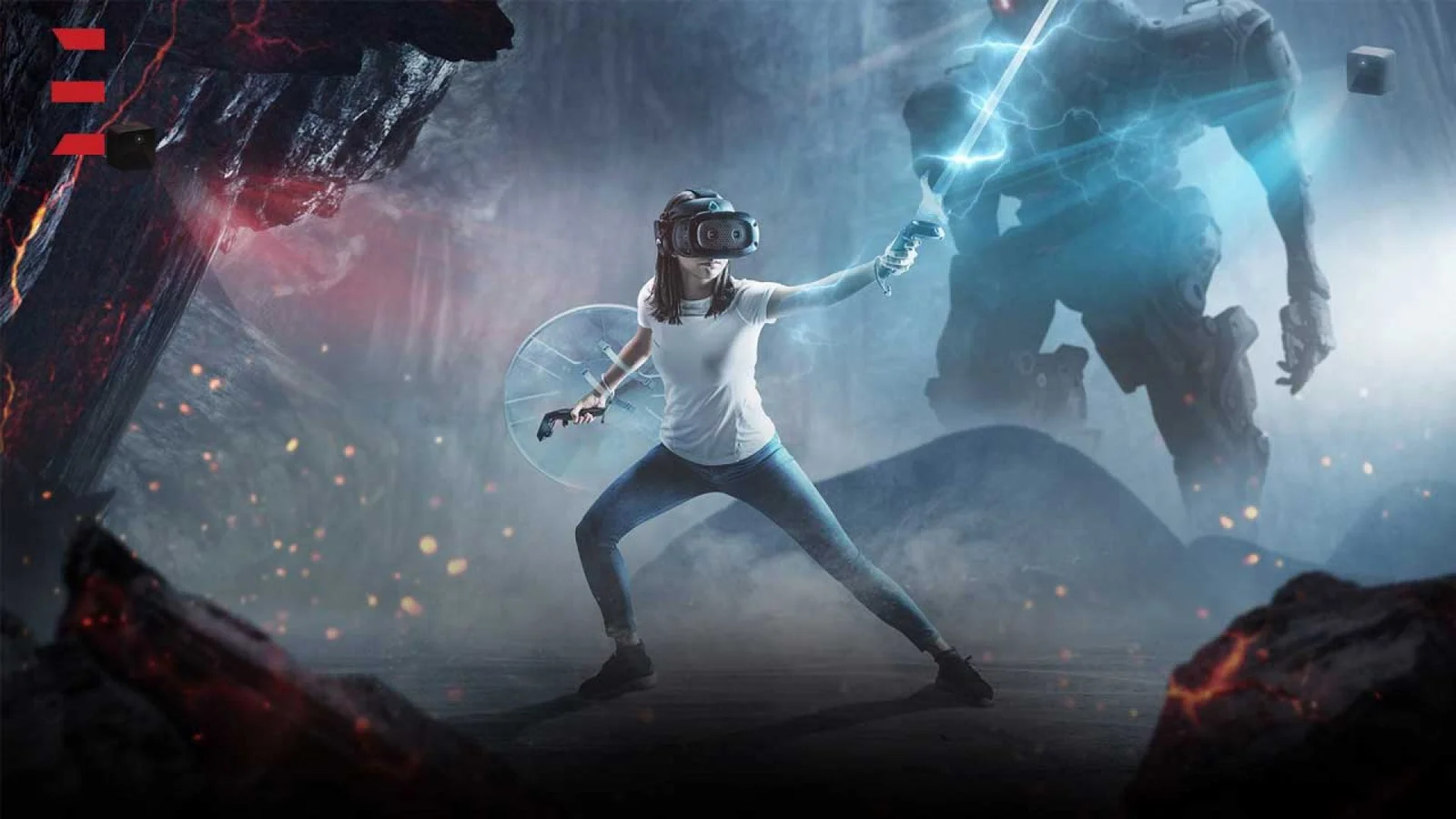
Gaming has journeyed far from its pixelated origins, now standing at the threshold of a new era. Virtual reality is transforming entertainment, pulling players directly into digital worlds that feel incredibly real. This evolution isn't just a visual upgrade; it’s a fundamental shift in how we interact with and experience games, creating truly immersive adventures that were once the stuff of science fiction.
The growth in immersive gaming is undeniable, with the market expanding at a remarkable pace. The virtual and extended reality gaming sectors are capturing a significant share of the overall technology market, signaling a massive shift in consumer interest. This boom is fueled by a growing appetite for deeper, more interactive entertainment. Beyond just gaming, these technologies are also finding their place in fields like education and healthcare, demonstrating their wide-ranging potential and solidifying their role in our digital future.
What powers these breathtaking virtual worlds? It's a fusion of cutting-edge technologies working in harmony. Advanced artificial intelligence creates smarter, more responsive environments and characters. The speed of 5G connectivity enables seamless multiplayer experiences without lag, while spatial computing maps the virtual world onto our physical one. Combined with lighter, more powerful headsets and haptic feedback that lets you feel the game, these innovations are blurring the lines between the digital and the real.
A truly immersive experience goes beyond impressive graphics; it needs a compelling narrative and a sense of connection. Strong storytelling has been shown to dramatically increase player enjoyment and engagement, making the virtual world feel more meaningful. At the same time, social VR platforms and metaverse activities are on the rise, creating vibrant communities where players can interact, compete, and collaborate. This transforms gaming from a solitary hobby into a shared social adventure.
Looking ahead, the gaming landscape is set to become even more interconnected. The concept of a metaverse, a persistent shared virtual space, is rapidly gaining traction, offering new models for interaction and even virtual economies. The integration of cloud gaming and competitive esports further expands this ecosystem, making high-end experiences more accessible to everyone. This convergence points toward a future where gaming is not just an activity but a destination for entertainment, socializing, and creativity.
Virtual reality is rapidly transforming the entertainment landscape, offering experiences that were once the stuff of science fiction. As this technology matures, it challenges the very foundations of traditional gaming. This shift raises an exciting question: are we on the cusp of a new era for e-sports, one defined by complete immersion and physical engagement? Let’s explore how VR is reshaping the competitive scene.
The rise of VR is set to revolutionize the e-sports industry. It introduces new competitive formats that demand physical skill and spatial awareness, moving beyond just quick reflexes and strategic thinking. This technology also offers incredible opportunities for viewers, allowing them to spectate from a first-person perspective and feel like they are right in the action. As interest in competitive gaming grows, especially among younger generations, VR is poised to make e-sports a more interactive and engaging form of entertainment.
This evolution is powered by rapid technological advancements. Lighter headsets, more precise motion tracking, and haptic feedback systems are making virtual experiences more believable than ever. Furthermore, the integration of high-speed connectivity and cloud gaming is crucial for enabling seamless, real-time multiplayer competitions. These innovations are not only improving the gameplay but are also making the technology more accessible, fueling its expansion into mainstream competitive arenas and beyond.
As virtual worlds become increasingly immersive, the underlying technology is evolving to make them more secure and dynamic. Blockchain is emerging as a foundational layer for this new digital frontier, fundamentally changing how we interact with, own, and create value within virtual reality games. This technology offers a decentralized framework that promises to empower players and developers alike, ushering in a new era of digital interaction and economy.
For too long, in-game items were merely licensed to players. Blockchain changes that by introducing the concept of true digital ownership through unique tokens. This means the gear, characters, and land you acquire are genuinely yours to keep, trade, or sell. This shift is already taking hold, with a significant portion of new games integrating their own tokens. The rise of asset leasing also creates new economic models, allowing players to generate value from their digital possessions without selling them.
Beyond ownership, blockchain provides the tools to build robust and transparent in-game economies. The "play-to-earn" model has seen a dramatic rise in popularity, rewarding players for their time and skill with tangible value. This economic activity is secured on a decentralized ledger, reducing fraud and ensuring fair transactions. Advances like Layer 2 scaling solutions are making these transactions faster and more accessible, paving the way for complex economies that mirror the real world.
Despite its potential, integrating blockchain into virtual worlds is not without challenges. Navigating regulatory landscapes can be complex, with issues surrounding app store policies and financial compliance sometimes creating friction for new players. These hurdles can temporarily slow adoption rates in some areas. However, clear regulatory frameworks in certain regions are demonstrating how supportive policies can significantly accelerate the growth of token-based gaming, providing a roadmap for wider acceptance.
Virtual reality is no longer just about solo adventures. It's evolving into a vibrant social space where people connect, create, and share experiences. This shift is redefining what it means to play games, transforming isolated sessions into lively community gatherings that extend far beyond the physical world, fostering a new kind of digital fellowship.
The magic of social VR lies in the details that make connections feel real. Developers are focusing on features that enhance social presence, such as expressive avatar customization, crystal-clear voice chat, and seamless real-time collaboration tools. These elements allow users to build unique digital identities and communicate naturally. As hardware becomes more advanced and network infrastructure improves, these interactions become more fluid and believable, breaking down the barriers between physical and virtual communication.
Social VR empowers users to become creators, not just consumers. Within these shared 3D spaces, communities form around building new environments, designing interactive art, or hosting unique events together. This collaborative spirit transforms gaming from a passive activity into an active, participatory experience. Immersive storytelling and user-generated content are becoming key drivers of engagement, allowing people to build and share their own narratives in a truly interactive medium.
As technology like AI and cloud rendering continues to advance, the potential for social VR is boundless. AI can help create more responsive and personalized interactions, while improved network speeds support larger, more complex multiplayer environments. This paves the way for a future where virtual communities offer rich, meaningful connections that rival real-world gatherings. From esports events to casual meetups, social VR is solidifying its role as a core pillar of the next generation of online interaction.
Artificial intelligence is revolutionizing virtual reality, transforming digital playgrounds into truly responsive and intelligent worlds. This fusion is moving beyond basic scripts, creating dynamic adventures where the environment and its inhabitants react to your every move. It's an exciting time, as AI is not just improving games but fundamentally redefining what it means to play within a virtual space, making experiences more personal and deeply immersive than ever before.
The creation of vast and detailed virtual environments is becoming more efficient thanks to AI. Modern development tools empower creators to generate complex 3D assets and intricate landscapes from simple text or voice prompts. This streamlined process not only accelerates production but also lowers the barrier to entry for developers. As a result, game worlds are becoming richer and more believable, offering players incredibly immersive settings to explore. This technological leap is a key driver behind the rapid expansion of interactive entertainment.
One of the most significant impacts of AI is in the behavior of non-player characters (NPCs). Instead of following predictable, pre-programmed paths, these characters can now understand and react to player speech and actions in real-time. This allows for natural, unscripted conversations and interactions that make the virtual world feel genuinely alive. When characters can respond with unique personalities and adapt to situations, the line between a game and reality begins to blur, dramatically enhancing player engagement and immersion.
AI is also paving the way for highly personalized gameplay. By analyzing a player's style, skill level, and choices, the game can dynamically adjust its challenges, story elements, and rewards. This adaptive approach ensures that the experience remains compelling and appropriately challenging for everyone, from beginners to seasoned veterans. Instead of a one-size-fits-all adventure, players receive a tailored journey that evolves with them, making each playthrough feel fresh, unique, and deeply satisfying.
Question 1: How is immersive gaming evolving beyond visual upgrades?
Answer: Immersive gaming is moving beyond visual enhancements by incorporating deeper interactive elements. It involves engaging narratives, smart AI-driven environments, and social VR platforms that transform games into shared social experiences. This shift is creating virtual worlds that feel more meaningful and interactive.
Question 2: What role does AI play in enhancing gameplay in virtual reality?
Answer: AI revolutionizes gameplay by creating smarter, more responsive game environments and lifelike characters that react to player actions and speech in real-time. It also enables adaptive, personalized gaming experiences that adjust challenges and narratives based on player behavior, thereby increasing immersion and engagement.
Question 3: How is blockchain technology reshaping ownership in virtual reality games?
Answer: Blockchain allows for true digital ownership by using unique tokens for in-game items, giving players genuine possession over their digital assets. This ability to own, trade, or sell items introduces new economic opportunities within gaming environments, enhancing player agency and value generation.
Question 4: What are some benefits of social gaming in the context of virtual reality?
Answer: Social gaming in VR creates community-centric experiences where players can gather, socialize, and collaborate in shared 3D spaces. It elevates gaming from a solo activity to a community event, fostering connections through interactive events and collaborative projects, thereby enriching the overall gaming experience.
Question 5: How does virtual reality impact e-sports and competitive gameplay?
Answer: VR transforms e-sports by introducing physical immersion and engagement, requiring real-world skills like spatial awareness and physical coordination. This shift creates new interactive viewing experiences and competitive formats, making e-sports more appealing and engaging for participants and audiences alike.