
x
If high market rents are blocking your search for a place to live, an affordable housing application can open doors to income-based apartments, subsidized units, and rent assistance. This guide shows how eligibility, documents, and local programs work so you can find realistic low-cost options near you.
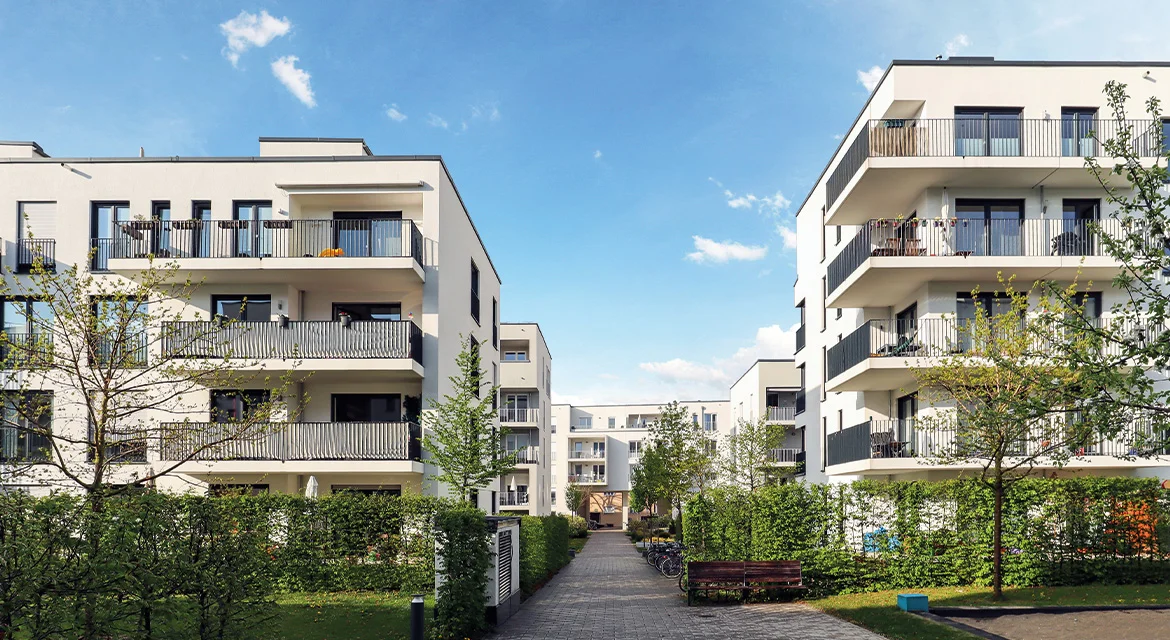
When you begin an affordable housing application in Canada, you will see several terms describing rent support for households with lower incomes. Affordable housing usually means a home that costs no more than about 30% of your gross income, and it can include private rentals, non-profit units, or co‑operative homes. Government subsidized housing is a specific part of this system where public funds lower the rent for eligible tenants, often through non‑profit providers or municipal housing corporations. These programs create affordable housing units available for seniors, families, single adults, and people with disabilities, and eligibility is based mainly on household income, household size, and legal status.
Within this system, the low income housing options near where you live can take different forms, and the type you choose will shape how you apply. Income based apartments near you are often called rent‑geared‑to‑income units, where rent is calculated as a set percentage of your income instead of regular market rates. Some buildings mix market‑rent and subsidized homes, while others are fully dedicated to assisted tenants, but in both cases the rent is reduced because the landlord or provider receives public funding. When you complete an affordable housing application, you are usually joining a centralized waitlist that covers several buildings at once, and you may be asked to select the communities or housing types you will accept so the first suitable unit can be offered to you.
| Housing option | How rent is set | Best for | Key trade-offs |
|---|---|---|---|
| Rent-geared-to-income unit | Percentage of verified income | Households with very limited income | High waitlist pressure, strong long-term stability |
| Fixed below-market rental | Discounted but not tied to income | Moderate earners who still struggle with market rent | More availability, less protection if income drops |
| Short-term rent assistance | Temporary subsidy toward market rent | People facing sudden income loss or housing crisis | Fast relief, limited duration and future uncertainty |
Before you start any affordable housing application, confirm that you meet the basic rules used by most housing providers. Income is usually the first test: programs for government subsidized housing compare your gross household income to local limits that change by city, region, and unit size. Your household size also matters because the number of people in your family is matched to minimum and maximum unit sizes, and you generally cannot be over-housed or under-housed. Many housing assistance programs also require that at least one household member is a citizen, permanent resident, or has another eligible immigration status, and that you live, work, or have strong ties in the community where you are applying.
Once you understand these rules, review local priority policies before sending in your application. Many housing assistance programs give extra priority to people experiencing homelessness, fleeing violence, living in unsafe or overcrowded conditions, or paying a very high share of their income on rent. Some providers also consider rental history, previous debts to social housing, or criminal activity that could affect building safety. Reading these criteria in advance helps you decide if it makes sense to apply now, or if you should first gather more documents, clear old arrears, or talk with a housing worker so your application is stronger when new units become available.
When you submit an affordable housing application for income-based or other low income housing near you, the provider reviews your gross household income, not take-home pay. They compare what everyone in the home earns before deductions to government-set limits that are adjusted for household size. These limits are often tied to local median income, so the maximum you can earn for affordable housing units available in one community may differ from another nearby area.
Household size then determines which income band and unit sizes you qualify for in income based apartments near me and similar rent-geared-to-income options. Anyone who will live in the unit long term and contributes to or depends on the household income is usually counted. The number of people is matched to bedroom standards and income thresholds so staff can prioritize applicants fairly and avoid larger families competing directly with single applicants for the same subsidized homes.
Before you start your affordable housing application, identify which local housing assistance programs you can actually use. Check your municipality or province for details on government subsidized housing, rent‑geared‑to‑income options, and other affordable housing units available for seniors, families, or people with disabilities. Each program sets its own rules on immigration status, household size, and where you live or work, so read the basic eligibility page and confirm you meet minimum income, residency, and age requirements before you spend time on forms.
Once you know which program fits, create an application file and gather documents before applying online or visiting a housing office. Most programs ask for identification for all household members, recent income proof such as pay stubs, benefit statements, or tax assessments, and information about your current rent and living situation. When you complete the forms, answer every question about income sources, debts, and special needs clearly and consistently, because this is used to decide your priority level and whether you qualify for specific government subsidized housing buildings or mixed‑income developments. If there are several waiting lists, such as for different neighbourhoods or unit types, choose all options that could realistically work for your household.
After submitting your application, write down your confirmation or client number and keep it with your documents, because you will need it whenever you contact the housing office. Many housing assistance programs require you to update your file whenever your situation changes, such as a new job, a drop in income, a change in family size, or a new accessibility need. Failing to report changes can delay offers or remove you from the list, while timely updates may move you higher in line for an available affordable housing unit.
When you start an affordable housing application for government subsidized housing, you are usually asked for government‑issued photo ID for all adults, and birth certificates or status documents for children. You normally must show proof of legal status such as a permanent resident card, work or study permit, refugee documents, or a citizenship certificate, plus recent proof of income for everyone in the household, including pay stubs, employer letters, benefit or pension statements, and your latest tax return or notice of assessment.
Most application forms also ask about your current housing, so have your lease, rent receipts, or a letter from your landlord, plus contact details for verification. If you pay child or spousal support, disability‑related costs, or other regular expenses that may affect how your rent is calculated, you may need receipts or official statements. To save time, keep documents in one labeled folder and make photocopies or digital scans so your application is complete and up to date.
When you start looking for lower-cost rentals, begin with official housing assistance programs run by your province, territory, or municipality. Many cities maintain online registries of rent-geared-to-income or other income based apartments near where you live, usually managed by non-profit or community housing providers. These listings explain who qualifies, how long waitlists are, and whether the rent is tied directly to your household income. You can also contact local settlement agencies, Indigenous housing organizations, and community resource centres, which often keep updated information on subsidized apartments near you and can help you complete an affordable housing application or refer you to rent assistance apartments if you are facing an urgent situation.
To find affordable apartments for rent or simply cheaper units in the private market, search municipal housing portals, reputable rental sites, and co-operative housing federations in your region. Filter by maximum rent, unit size, and neighbourhood, and watch for descriptions that mention government subsidized housing, mixed-income buildings, or other affordable housing units available through non-profit landlords. Calling housing co-ops, faith-based providers, and community land trusts directly can uncover cheap apartments near you that are not heavily advertised online. Keep records of every place you apply to, ask about any priority policies for seniors, people with disabilities, or families with children, and be ready to update your information regularly so you do not lose your spot on waiting lists.
What is the difference between affordable housing and government‑subsidized housing?
Affordable housing means rent is kept relatively low, often around 30% of income, and can be offered by private, non‑profit, or co‑op landlords. Government‑subsidized housing reduces rent through public programs for eligible low income tenants.
How do I know if I qualify for an affordable housing application based on income and household size?
Your total before‑tax household income is compared with local limits that change by area and unit size. Your household size must fit the allowed bedroom range so you are not clearly over‑ or under‑housed.
What documents are usually required when applying for income‑based apartments?
You are usually asked for photo ID for adults, documents for children, proof of legal status for at least one member, and recent income proof such as pay stubs, benefit or pension statements, and your latest tax return or assessment.
Where can I find lists of income‑based or rent‑geared‑to‑income apartments near me?
Check your local housing authority or municipal website for registries of non‑profit and community buildings. Community centres, Indigenous or settlement agencies, and housing help programs may also keep updated local listings.
Can housing assistance programs help if I urgently need a cheap apartment for rent?
Many programs give priority for emergencies, such as safety risks or homelessness. Contact your local housing office or a community agency, explain your situation, and ask about emergency rent help or short‑term placements while on waitlists.