
x
Sticker prices rarely tell the full story, especially with feature‑packed crossovers where trims, options, incentives, and payment structures can quietly transform a tempting offer into a long‑term commitment.
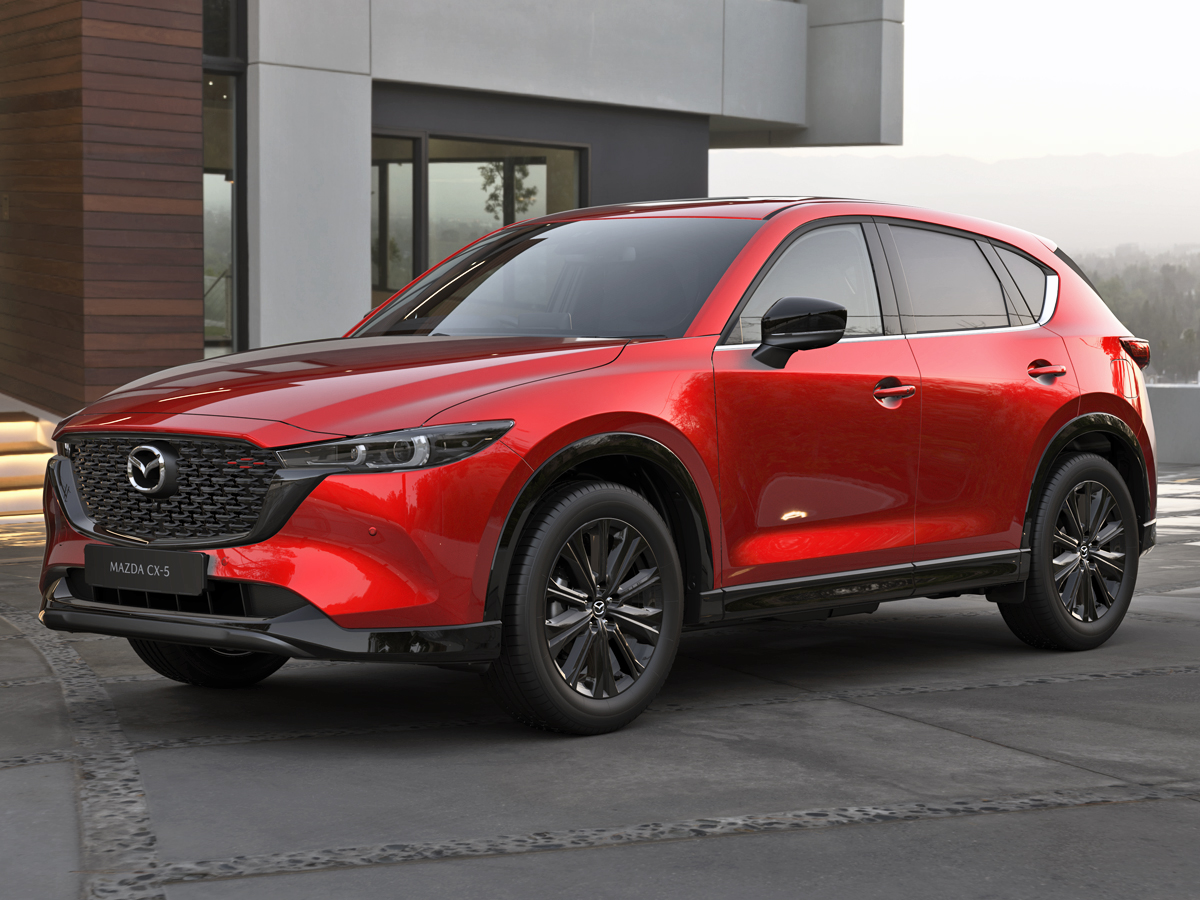
When you look at Mazda CX-5 pricing, the trims can feel like a staircase of small jumps. The trick is knowing which step actually changes your daily drive, and which one just adds nice-to-have extras.
The entry 2.5 S is already well equipped, so “base” doesn’t mean bare. You get a 2.5L 4‑cylinder engine with 187 hp, a 6‑speed automatic, and standard all‑wheel drive, which is a big value point. Moving to 2.5 S Select mainly improves comfort and tech, with synthetic leather and wireless phone integration. By the time you reach 2.5 S Preferred, the price jump brings winter‑friendly perks like heated seats, a heated steering wheel, and a wiper de‑icer, which matter a lot if you drive in cold or wet climates.
Trim choice is less about “can I afford the jump?” and more about “does this feature actually solve a problem I have every week?” If you regularly sit in traffic, park in tight spaces, or drive through harsh winters, different trims will feel “worth it” for different reasons.
| Typical Owner Priority | Better Matched CX-5 Trims | What They Tend to Care About Most |
|---|---|---|
| Budget-conscious daily driver | 2.5 S / 2.5 S Select | Solid equipment, safety, no need to chase luxury touches |
| Tech and comfort focused | 2.5 S Select / 2.5 S Preferred | Wireless phone use, nicer cabin, less “basic” daily feel |
| Cold or wet climate driver | 2.5 S Preferred and above | Winter comfort, better visibility, less scraping and shivering |
| Long-distance commuter | 2.5 S Premium and above | Seat comfort, quietness, convenience features on long trips |
| “Near-luxury” seeker | 2.5 S Premium / Premium Plus | Cabin materials, advanced features, more upscale atmosphere |
When you move up the trims, the real question is: do you want the CX-5 to feel like a well-equipped mainstream SUV, or like a budget-friendly alternative to an entry luxury model?
Stepping into 2.5 S Premium and Premium Plus is where the CX-5 starts to feel more like a luxury model. The Premium trim adds ventilated front seats, nicer cabin materials, and a power liftgate with programmable height, which is surprisingly useful in tight garages. Premium Plus tops it off with extra luxury touches, a special paint option, and more advanced tech. From a cost angle, the higher trims make the most sense if you spend a lot of time in the car, care about cabin feel, or plan to keep it long term so you really use those comfort upgrades.
When you look at Mazda CX-5 cost, the sticker price is only the starting point. Trim level, on-road charges, servicing, and how you choose to pay all change what it really costs to live with this compact SUV day to day.
In one market, a new CX-5 starts around 29,050 for the base model, sitting just below the CX-50 and well under a 34,750 hybrid alternative. Step up the trims and the gap grows, because extra equipment and, for rivals, hybrid efficiency widen the difference in real-world running costs. In another market, the CX-5 Pure opens at 39,990 before on-road costs, now 2,750 more than the previous base. Evolve, Touring, GT SP and Akera climb through 42,990, 47,990, 51,990 and 54,990, yet still undercut key hybrid competitors priced in the high‑forties and low‑fifties.
Official prices leave out taxes, registration and dealer fees, so the drive‑away number is always higher than the brochure suggests. The CX-5 helps claw some of that back with capped servicing of about 2,240 over five years or 75,000 km, which makes long‑term planning easier. Financing and PCP-style deals can smooth the hit even more, turning that big upfront cost into predictable monthly payments. Instead of chasing rock‑bottom pricing, Mazda leans on better standard equipment, strong resale values and competitive trim steps to keep ownership costs feeling reasonable next to hybrid or off‑road‑focused rivals.
When you look at Mazda CX-5 cost, the trim you pick matters more than any fancy payment math. Instead of huge price jumps, you’re really paying in steps for extra comfort, tech, and a bit of luxury each time you move up.
The CX-5 line runs from 2.5 S up through 2.5 S Select, 2.5 S Preferred, 2.5 S Premium, and 2.5 S Premium Plus. Cost climbs as you go, but the big story is what you gain per step. The 2.5 S Select is often called the sweet spot: for a relatively small bump over the base 2.5 S, you get synthetic leather and wireless Apple CarPlay and Android Auto, which really change daily usability. The 2.5 S Preferred then makes a lot of sense if you live with cold mornings, adding heated front seats, a heated steering wheel, and a wiper de-icer without jumping into true luxury-car pricing.
Above those, you start paying for more “nice-to-have” than “must-have” features. The Preferred already brings in perks like a power liftgate and upgraded audio, so you’re not exactly roughing it. Moving into the Premium trim layers on a panoramic sunroof, ventilated seats, leather upholstery, and ambient lighting, which nudges the CX-5 into near-luxury feel. At the top, the Premium Plus adds a big 15.6-inch display and advanced driver personalization, pushing total cost highest in the range. Even so, the starting MSRP of about $29,990 keeps the whole lineup broadly competitive, with mid trims giving the best cost-to-comfort balance.
When people shop for a compact SUV, they often stare at the monthly number and stop there. With the Mazda CX-5, the more interesting story shows up when you look at resale value, depreciation, and what it actually costs to keep the car over several years.
The CX-5 has built a reputation for holding its value better than many non-luxury compact SUV rivals. Used 2022 CX-5 models commonly resell in the roughly 18,400–24,000 USD range, while newer 2026 models start around 29,990 USD. That gap is relatively gentle for a few years of use, which hints at slow depreciation. For an owner, this can mean more money back at trade-in time, and for a buyer, it signals that the market trusts the CX-5’s reliability, driving up long-term value.
Monthly payment comes from price, interest, and especially how quickly the SUV is expected to lose value. With the CX-5, strong residual values can make lease deals more attractive, because the lender expects the vehicle to stay worth more at the end of the term. Shorter leases pack depreciation into a higher payment but limit long-term risk; longer terms usually lower the monthly number but raise the total paid. Thanks to reliability and rising used-vehicle demand, the CX-5 often threads a nice balance, keeping both running costs and long-term ownership totals in check compared with many rivals.
Q1: What do you actually get on the base 2.5 S Mazda CX‑5, and how does it compare to higher trims?
A1: The 2.5 S already includes a 187 hp engine, 6‑speed automatic and standard AWD. Higher trims mainly add comfort, tech and luxury touches, rather than core mechanical upgrades.
Q2: How much more does each CX‑5 trim cost, and which steps change daily driving the most?
A2: Prices run from $29,990 to $38,990. The biggest everyday gains come at Select (better tech and seats) and Preferred (heated features), more than at the luxury‑focused top trims.
Q3: How do CX‑5 prices and trims compare with rival compact SUVs, especially hybrids?
A3: CX‑5 entry prices undercut many hybrid rivals, which often start in the high‑forties. As you move up trims, rivals’ hybrid efficiency widens running‑cost gaps, but Mazda keeps strong equipment value.
Q4: Beyond sticker price, what ownership costs should buyers consider for the CX‑5?
A4: Add taxes, registration and dealer fees to sticker price. Mazda offers capped servicing around 2,240 over five years, plus financing that spreads costs into predictable monthly payments.
Q5: Why might the CX‑5 be a smart long‑term choice compared with competitors?
A5: It holds value well, with used prices staying relatively high, signaling slow depreciation. Strong resale, reliability, and competitive running costs make total ownership cost attractive versus many rivals.