
x
Long-term travelers and remote workers are increasingly seeking flexible, all-in-one vehicle solutions that balance the freedom of ownership with the need to navigate complex contracts and costs.
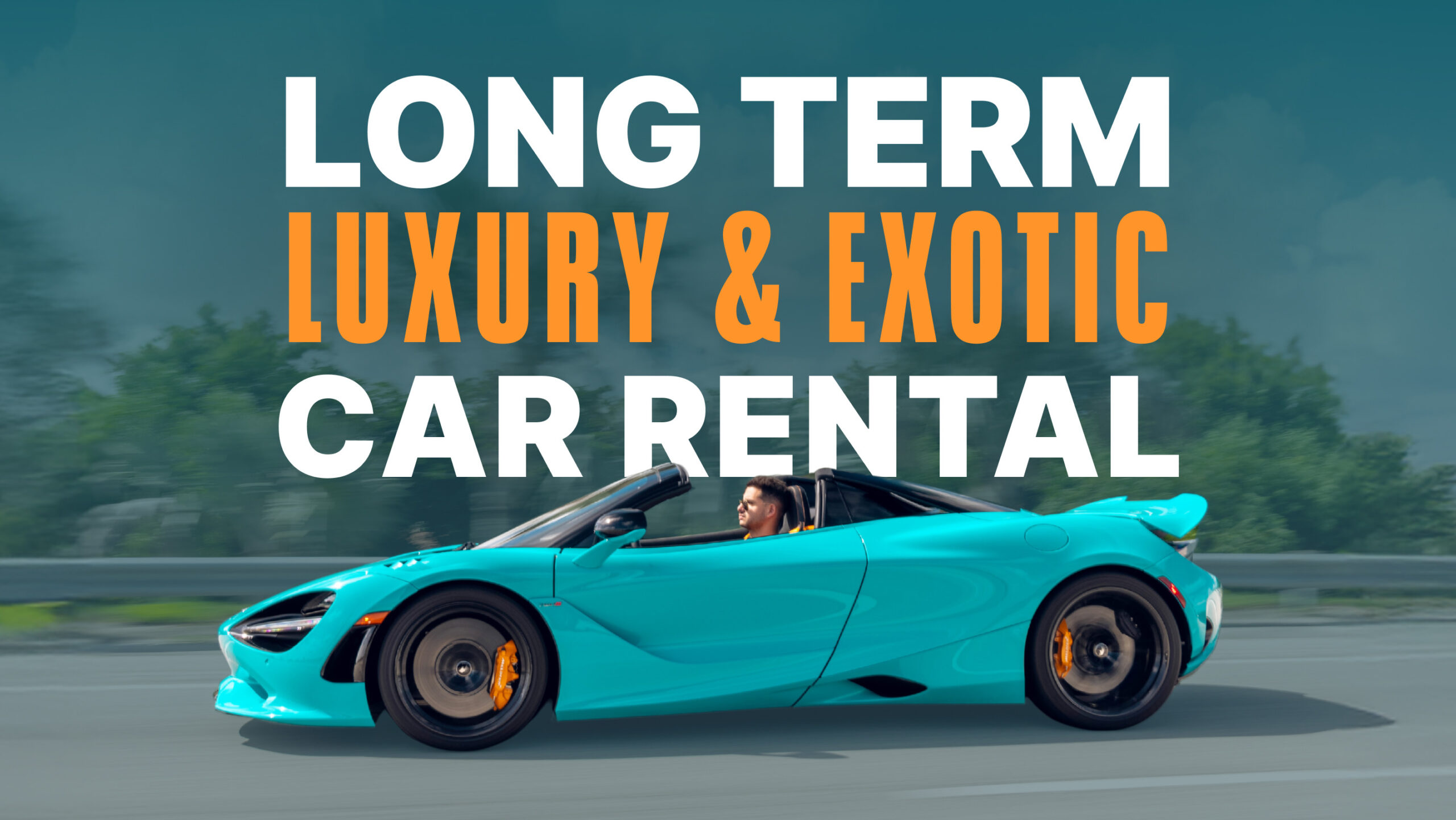
When you know you’ll need a car for more than a quick trip, the real question becomes how long you want to commit. Long term rental, leasing and buying all move the cost, flexibility and risk slider in different ways, and it helps to frame them around your lifestyle instead of just the sticker price.
Long term rental usually starts around the one‑month mark and can stretch to many months, sometimes longer. You pay a fixed rate, often with insurance and basic maintenance bundled in, and you can usually swap or return the car without big penalties. That makes it handy for temporary work assignments, long vacations, or testing life without owning a car. The trade‑off is that, over a very long horizon, the monthly cost can add up compared with other options, and mileage caps or extra fees may still apply, depending on the contract.
A quick way to see whether long term rental fits your situation is to map it against common life scenarios:
| Typical life scenario | How well long term rental fits | Why it often works (or not) |
|---|---|---|
| 3–6 month work secondment in another city | Strong match | Need a car immediately, employer may reimburse, no desire to commit |
| Long trip after relocation but not settled | Moderate match | Useful while house and commute are undecided |
| Frequent business travel to same region | Moderate match | Can be convenient, but loyalty programs or leases may compete |
| Multi‑year daily commuting | Weak match | Higher long‑run cost and mileage caps can conflict with heavy use |
| “Test driving” car‑free living | Strong match | Easy to scale usage up or down and stop without selling or refinancing |
Leasing sits between renting and owning: you commit for a longer term, lock in a mileage limit, and enjoy lower monthly payments than most loans, but you never truly own the car unless you buy it at the end. It works best if you like driving newer models and keep your mileage predictable. Buying, whether with cash or a loan, usually costs more each month at first but becomes cheaper the longer you keep the vehicle, especially once it’s paid off. You take on maintenance and repair risk, yet you gain full control, no return deadlines, and the option to sell whenever it suits you.
If you think in terms of lifestyle rather than finance jargon, leasing and buying often appeal to different driver “types”:
| Driver profile | More likely to prefer leasing or buying | Typical priorities and habits |
|---|---|---|
| Tech‑lover, early adopter | Leasing | Likes newer features, changes cars often, accepts mileage planning |
| Budget‑planner commuter | Buying | Wants long‑term value, keeps cars for years, okay with repair decisions |
| Uncertain future location | Leasing | May move country or change jobs, prefers a clear end date |
| Family with growing needs | Buying | Car needs may expand, prefers flexibility to sell or keep as second car |
| Self‑employed driver | Depends on tax and usage | Balances deductions, cash flow, and high or low annual mileage patterns |
Long term car rental sounds perfect when you want a car without a long loan, big deposit, or strict credit checks. But “rent to own” and “no deposit” labels can hide higher monthly costs, harsh mileage rules, and insurance gaps that only show up after you sign.
With long bookings, real discounts usually kick in around the 28–30 day mark, sometimes cutting the rate by almost half for the whole rental. That is why a 30‑day deal can oddly cost less than a 24‑day one, especially if you pay in monthly installments rather than all upfront. “No deposit” offers often just roll risk into a higher daily rate or steeper fees for damage and late payment. “No credit check” rent to own may feel easy, but you are paying for that convenience through longer terms, limited car choices, and tight rules if you miss a payment.
Most long term rentals cap mileage somewhere around 1,200 to 1,800 miles per month, and extra miles quickly erase any discount you thought you had. For road trips or rideshare use, an unlimited‑mileage add‑on is usually cheaper than per‑mile penalties. Insurance is another trap: standard car insurance does not always cover peer‑to‑peer rentals, so you might need the platform’s own protection, while traditional companies may bundle flexible cover with better long term rates. Before you sign anything, read the parts on deposits, age rules, coverage limits, and mileage caps for that exact car, not just the headline offer.
Long term car hire can look cheaper on the surface, but the real cost hides in rate structures, discounts and fine print. Understanding how platforms, traditional brands and policies work together helps you decide if a monthly rental really beats leasing or owning.
Most long term deals get cheaper the longer you commit. Peer‑to‑peer services often add 3‑, 7‑ and 30‑day discounts, so a full 30‑day rental can actually cost less than a shorter 24
Q1: What does “rent to own” mean in long term car rental, and how is it different from a normal rental?
A1: Rent to own lets you use the car long term with a path to ownership. Unlike normal rentals, terms are stricter, choices fewer, and missing payments can trigger harsh penalties.
Q2: What are the main benefits people look for with rent to own or no‑deposit, no‑credit‑check car offers?
A2: These offers appeal if you lack savings or strong credit. You avoid big upfront deposits and formal credit checks, and can drive quickly without a long bank loan commitment.
Q3: What potential drawbacks should I consider before choosing a rent to own or no‑deposit car deal?
A3: Watch for higher monthly prices, rolled‑in deposit risk, strict mileage caps, limited car options, tough late‑payment rules, and possible insurance gaps that increase your overall cost.
Q4: How can I judge whether a rent to own or “no credit check” offer is financially viable in the long run?
A4: Add monthly payments, mileage and late fees, insurance, and extras. Then compare that total over the term with a simple lease or used‑car purchase to see which is cheaper.
Q5: What should I carefully check in the agreement before finalizing a rent to own or long term “no deposit” rental?
A5: Read clauses on deposits, “due at signing” fees, mileage limits, insurance coverage, age rules, damage and cleaning policies, and penalties for early return, changes, or missed payments.