
x
If you’re comparing dental implants to bridges or dentures after losing one or more teeth, this guide explains how modern implant treatment works, what single‑tooth and multi‑tooth options involve, what surgery and risks look like, and which factors drive implant cost and affordability in the USA.
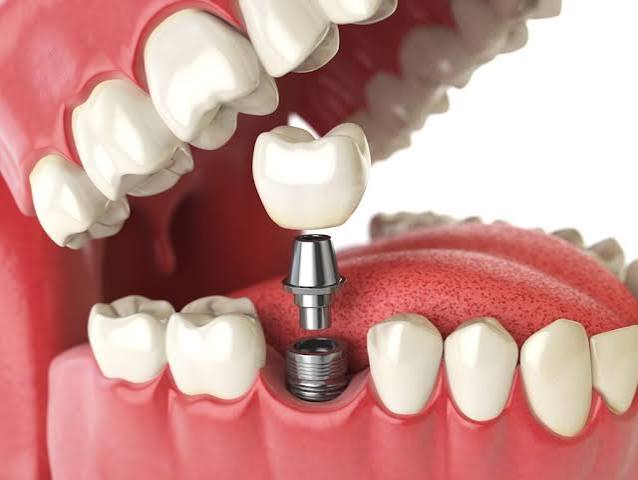
A modern dental implant is a small, biocompatible post, usually made of titanium, that is placed into the jawbone to act as an artificial tooth root. This tooth implant becomes a stable base for replacing one or more missing teeth with a crown, bridge, or denture that is shaped and colored to blend with your natural smile. During dental implant treatment, your dentist or oral surgeon evaluates the health of your gums and bone, plans the position of each implant, and uses imaging to ensure the new teeth fit your bite and structure. Because the implant is fixed in the bone instead of resting on the gums, it is designed to feel more secure and natural than many removable options for missing teeth replacement.
After the implant post is placed, the surrounding bone gradually heals and fuses to it in a process called osseointegration, creating a strong, long-lasting anchor. When healing is complete, a connector piece, or abutment, is attached and topped with a custom crown for a single tooth implant or with a larger restoration if several teeth need to be replaced. This step links the internal support in your jaw to the visible replacement tooth, so the completed implant functions much like a natural tooth during everyday chewing, speaking, and smiling while supporting the overall appearance of your mouth.
Dentists usually recommend a dental implant when one or more teeth are missing and you want a long‑term fixed replacement that looks and functions like a natural tooth. A single tooth implant is often suggested if you lost a tooth in an accident, had a severe cavity, or needed an extraction after gum disease. In these cases, the implant replaces both the root and the visible tooth, supporting normal chewing and helping keep neighboring teeth from drifting into the gap. Dental teams review your medical history, current medications, and habits such as to judge whether dental implant surgery is safe and whether you are likely to heal well after treatment.
Beyond single missing teeth replacement, implants are also considered for people with several gaps or those who wear removable dentures but want a more stable solution. To decide if a tooth implant is appropriate, your dentist or implant specialist will examine your gums, check X‑rays or 3‑D scans to confirm you have enough healthy jawbone, and look for uncontrolled conditions like diabetes that can interfere with healing.
| Patient Scenario | Preferred Option | Why Implants Are Considered | When to Consider Bridges/Dentures |
|---|---|---|---|
| Single tooth lost in accident or decay | Single tooth implant | Fixed Missing Teeth Replacement that feels toothlike | Bridge if implant surgery is not advisable |
| Several separated gaps | Multiple Tooth Implants | Stabilizes chewing and limits teeth drifting | Partial denture for lower cost or simpler care |
| Loose or uncomfortable full dentures | Implant-supported denture | Improved stability and bite strength | Traditional denture if oral surgery risks are high |
| Thin or weakened jawbone | Implant with bone grafting | Tooth Implant possible after bone support improves | Bridge or denture when grafting is not suitable |
| Smoker or uncontrolled medical conditions | Non-surgical replacement first | Dental Implant Surgery only after risk factors improve | Conventional bridge or denture as cautious choice |
When you lose one tooth, a single tooth implant offers a modern form of missing teeth replacement compared with a traditional bridge or a removable partial denture. A tooth implant uses a small titanium post placed in the jawbone where the root was, then supports a custom crown that stands on its own. In contrast, a bridge usually requires reshaping neighboring teeth to hold a connected set of crowns, and a partial denture rests on the gums and may use clips on nearby teeth. Because the implant is anchored in bone, it can feel closer to a natural tooth when you bite and chew and helps preserve jawbone in ways that tooth-supported bridges or removable plates cannot, often reducing strain on surrounding teeth and the need for future adjustments.
Dental implant surgery is usually one step in a planned course of dental implant treatment rather than a single quick visit. It begins with a consultation, where your dentist reviews your medical history, examines your gums and jawbone, and takes X-rays or 3D scans to see whether the bone can support a tooth implant. If you are a good candidate, a personalized plan outlines each stage, from placing the implant post in the bone to attaching the final crown, along with estimated healing times and follow-up visits.
On the day of surgery, the area is typically numbed with anesthesia, and some offices offer sedation for anxious patients. The dentist places a small titanium post into the jawbone through a minor opening and then closes the gum over or around it. The appointment often feels similar to having a tooth removed, with pressure but little pain. Afterward, most people handle temporary soreness or swelling with over-the-counter pain relievers, cold packs, and careful oral hygiene, following the home-care instructions from the dental team.
Healing is essential to successful dental implant treatment because the bone needs time to fuse with the implant in a process called osseointegration. This phase can take several months, and you may wear a temporary replacement so the space does not affect your smile. Once the implant is stable, a small connector called an abutment is attached and impressions are taken for your custom crown. The final visit focuses on placing and adjusting this new tooth so it looks natural, feels comfortable when you bite and chew, and functions as a long-term replacement.
Dental implant surgery is generally safe, but any surgical dental implant treatment carries risks such as infection around the implant, temporary numbness or tingling if a nerve is irritated, sinus problems when implants are placed near the upper jaw, or the implant not fusing with bone and becoming loose. Rarely, more serious issues like severe infection or damage to nearby teeth or structures can occur.
Dentists lower these risks by reviewing your medical history, using imaging to plan implant placement, keeping strict sterilization standards, prescribing medicines when needed, and scheduling follow‑ups to check healing. After your procedure, contact your dentist urgently if pain or swelling worsens, you develop fever, ongoing bleeding, bad taste or pus at the site, or sudden new numbness in your lips, tongue, or chin.
The total cost of dental implant treatment depends on more than the price of the implant post itself. Dentists evaluate how many missing teeth are being replaced, whether you need a single tooth implant or several implants for a bridge or denture, and the health of your jawbone and gums. Fees are typically itemized for the surgical placement of the implant, the abutment, and the final crown, and may also include imaging, extractions, or bone grafting. Where you live, the training and experience of the team performing your tooth implant, and the implant materials or prosthetic design all affect the final bill.
Because dental implant therapy can be a major expense, many people look for ways to keep treatment without sacrificing safety or long‑term results. Some offices offer phased dental implant surgery so costs are spread out, while others provide financing with monthly payments. Dental insurance may help with parts of the procedure, such as the crown or extraction, even when it does not fully cover the implant itself, and health savings or flexible spending accounts can reduce out‑of‑pocket costs. When comparing dental implant cost, ask what is included in the quoted fee, how follow‑up care is handled, and whether the plan is tailored to your specific oral health needs rather than focused only on the lowest initial price.
What is a dental implant for missing teeth replacement?
A dental implant is a titanium post placed in the jawbone as an artificial tooth root. It holds a crown, bridge, or denture, creating a stable, natural-looking tooth replacement.
When is dental implant treatment preferred over a bridge or denture?
Implants are chosen when you want a fixed, long-term tooth implant that feels natural after tooth loss. Your dentist evaluates bone, gums, and general health before surgery.
How does a single tooth implant differ from a traditional bridge?
A single tooth implant stands alone in the bone and usually does not require reshaping nearby teeth. A bridge depends on neighboring teeth and does less to maintain jawbone volume.
What happens during dental implant surgery and healing?
Dental implant surgery is done under anesthesia or sedation. The implant is placed in bone and left to heal for months before the final crown. Expect short-term soreness and strict hygiene.
What affects dental implant cost in the USA and can it be?
Dental implant cost depends on region, number of implants, and added procedures like bone grafting. Fees include surgery, abutment, and crown, and many offices offer payment plans for more dental implants.