
x
Typing a quick search for local shifts can feel like a short‑term fix: fast pay, flexible hours, and work you can start almost immediately. Yet behind those entry‑level roles sits a logistics network offering training, stable benefits, and internal ladders from the floor to leadership.
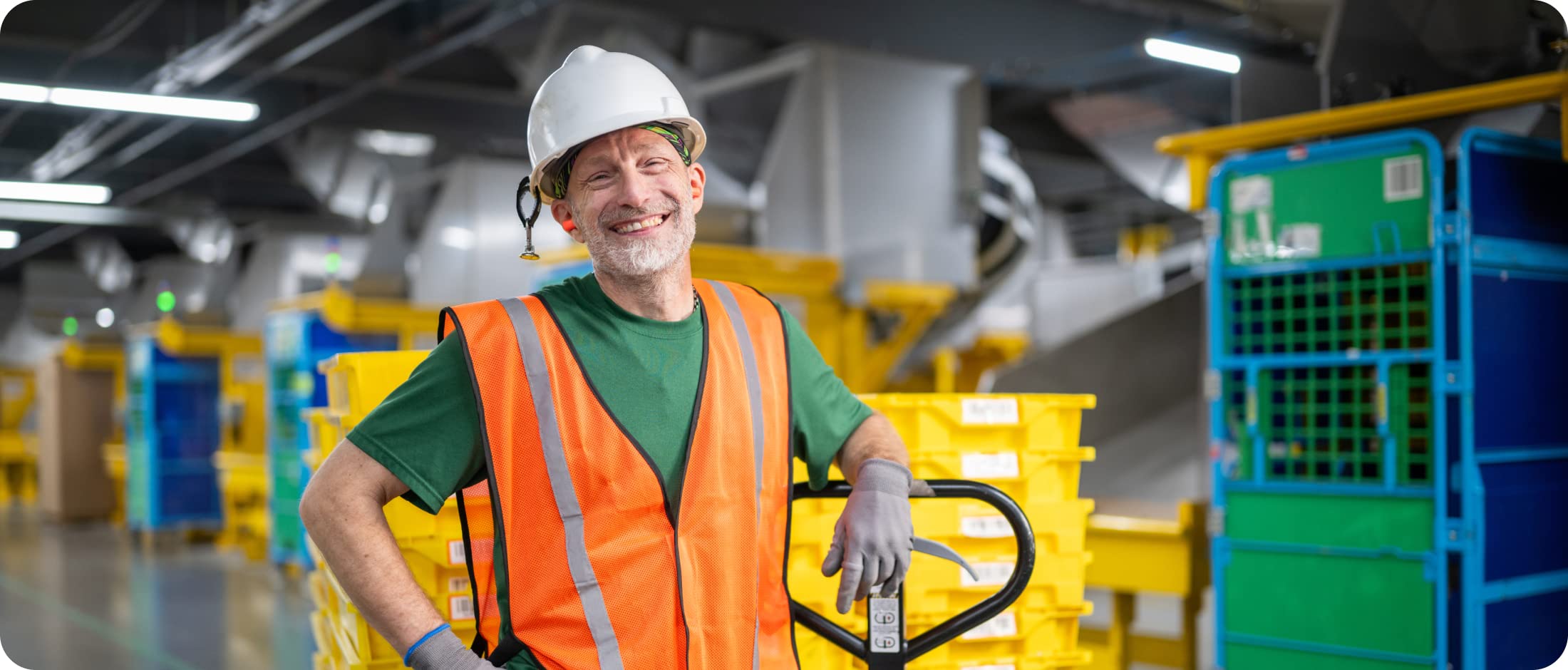
Most shifts begin with a short briefing. A supervisor runs through targets, safety reminders, and any changes in the area you will be working in. Once that is done, you usually spend most of the shift at one station, focusing on a single main task: picking, packing, stowing, or loading.
In a picking role, most of the time is spent walking through aisles, scanning and grabbing items from shelves. A handheld scanner or screen tells you where to go and what to collect, and you confirm each item with a scan.
Packing leans more on standing than walking: build a box, add items, scan, tape, then place finished boxes onto a conveyor. Stowing is the mirror image of picking, putting incoming items into storage locations and scanning them into the system so they can be found later.
Breaks are short but regular. Many people use them to stretch, refill a water bottle, and rest, then return to the station and repeat the same core steps across the rest of the shift.
The environment is bright, busy, and fairly noisy, with conveyors, scanners, and people moving in every direction. Most workers are on their feet for almost the whole shift, lifting light to medium parcels and occasionally heavier items, often with handling aids or help.
Performance targets are clear: items per hour, accuracy, and safety rules. Screens and scanners show how close someone is to the goal. When volumes spike, the pace can feel intense, with very little idle time.
Tasks are straightforward and tightly structured. Many people like the predictability and the fact that you rarely deal with customers face to face. Others find the repetition hard and focus on looking after their body with good shoes, stretching, and using support tools or techniques.
From an entry‑level position on the floor, moving into a team‑focused role is more like climbing a visible staircase than finding a shortcut.
Most people begin in a general warehouse role, rotating through tasks like picking, packing, loading, and scanning. At this stage, the focus is on turning up reliably, learning standard processes, and following safety instructions.
The next shift is often informal. You become the person others rely on: answering simple questions, helping new starters, stepping in when something jams or slows down. Your job title might not change yet, but supervisors start to treat you as a go‑to person for your area.
From there, some sites use roles with extra responsibility, like guiding a lane or coordinating a small part of the floor. These positions involve keeping an eye on simple metrics such as units per hour or error rates, helping keep work flowing, and passing information between frontline workers and managers.
Promotions rarely come from just hitting your own numbers. They usually depend on showing you can lift the performance around you. Employers look for consistent attendance, strong safety habits, and a calm attitude when things get busy.
Comfort with basic numbers helps: reading simple reports, understanding targets, and suggesting small improvements. Any background with spreadsheets, stocktakes, or operations can help you stand out without needing a formal qualification.
Soft skills matter as much as speed. Clear communication, fair treatment of co‑workers, and the ability to give feedback without starting conflict are noticed. When a team‑level role opens, the person who has already been acting like a leader on the floor is usually the one who moves up.
| Step on the ladder | What it looks like day to day | What supervisors tend to notice |
|---|---|---|
| New starter | Learning one station, asking questions, following instructions | Willingness to learn, safe habits, reliability |
| Informal go‑to person | Helping others, fixing basic issues, supporting training | Calm under pressure, patience, communication |
| Coordinator‑style role | Watching a small area, tracking simple metrics, sharing updates | Basic data comfort, ownership of outcomes, fairness to the team |
Headline pay often gets the most attention, but perks like health support, retirement contributions, paid time off, public holiday arrangements, and staff discounts all add up.
It can help to put a rough mental value next to each perk, so you are comparing this option to others on more than just the base rate. Using small blocks of paid leave earlier, rather than saving every single hour, can ease stress during busy peaks.
Scheduling flexibility is another big lever. Many roles allow part‑time or unusual shift patterns, with some ability to swap or extend hours. Mapping your ideal week on paper first makes choices clearer: when you want to work, when you need time for family, study, or rest, and how much income you need.
Being honest about your top priorities makes it easier to choose a roster that fits your life.
| Priority | What to look for in rosters and perks | Trade‑offs to keep in mind |
|---|---|---|
| Steady income | Regular shifts, predictable patterns, reliable extra hours | Less flexibility for last‑minute changes |
| Study or training | Fixed free blocks during the week, options for shorter shifts | Possibly slower income growth |
| Family time | Shifts that align with school or care arrangements | May need to accept less popular time slots |
Smart moves for landing a warehouse role start before pressing the apply button. A small amount of planning can mean a quicker hire now and better options for growth later.
Many applicants only talk about being fit, reliable, and willing to work hard. Those are important, but hiring teams also watch for signs you can support the wider logistics and retail machine.
Useful experience to highlight includes any work with stock or inventory counts, order picking, or basic warehouse systems. Time spent in fast‑paced shops can also be relevant, especially if you helped with shelf replenishment, back‑of‑house stock, or setting up promotions.
When you describe those roles, use language that shows ownership and awareness of results: keeping track of stock levels, paying attention to targets, or using simple numbers to guide decisions. Even if you see yourself as “just” having worked on a shop floor, you can explain how you helped reduce errors, avoid empty shelves, or keep queues moving.
High‑volume roles are often screened quickly, sometimes with software and sometimes by people under time pressure. Clear, targeted wording can be the difference between moving forward and being overlooked.
It helps to mirror core language from the position description in your resume and answers, especially around safety, accuracy, teamwork, and flexibility. Keep bullet points short and action‑focused, each starting with a verb and ending with a simple result.
When you are asked about past situations, keep stories simple: what was happening, what you decided to do, and what changed because of your actions. Choose moments that show you take ownership instead of waiting for direction, stay calm when plans shift, and care about safety and accuracy as much as speed.
This style of answer fits frontline warehouse work and also lines up with the qualities needed later in inventory control, operations support, or other internal roles. Treat the first job as a doorway: by presenting your experience thoughtfully and using training and benefits well, it can become a stepping stone to longer‑term security and responsibility, not just a quick way to earn next week’s pay.
How should I search “Warehouse Near Me” or “Amazon Near Me” in Australia to find real local roles, not just ads?
Start by using job boards like Seek, Indeed, and Workforce Australia, then filter by postcode, shift type, and “warehouse” or “Amazon.” Cross‑check results on the company’s own careers page and with local labour‑hire agencies. Avoid listings with no company name, unclear pay ranges, or pressure to pay “registration fees.”
What is the difference between generic “Warehouse Jobs Hiring” and official Amazon Warehouse Careers in Australia?
Generic warehouse ads often come from labour‑hire firms offering short contracts, while Amazon Warehouse Careers are listed on Amazon’s dedicated careers site with clear site locations, pay bands, and benefits. Official roles usually include structured onboarding, internal mobility options, and compliance with Fair Work and safety standards monitored at corporate level.
How competitive are “Jobs Near Me” at Amazon compared with other local warehouses?
Competition varies by region, but Amazon sites near major cities attract many applicants because of predictable pay and brand recognition. Smaller warehouses may hire faster with shorter screening. Having recent pick‑pack or retail stock experience, reliable references, and flexible shift availability usually gives you an edge in both environments.
If I want long‑term Amazon Careers, which entry‑level warehouse experience matters most?
Experience that shows you can hit performance targets safely, follow standard operating procedures, and communicate clearly is most valuable. Roles involving RF scanners, inventory counts, or coordinating a small area are especially relevant. Demonstrating reliability over several peak periods is often more persuasive than short bursts of high output.
How can I use “Warehouse Near Me” roles as a pathway into broader Amazon Warehouse Careers in Australia?
Treat any nearby warehouse job as a chance to build logistics fundamentals: accuracy, time management, and comfort with basic data. Document achievements with simple numbers, then highlight them when applying to Amazon. Once inside, seek cross‑training, volunteer for small coordination tasks, and regularly check internal postings for progression opportunities.