
x
If you’re worried about leaks, rust, storm damage or moss on your roof, a roof repair company can help you decide what really needs fixing now. Learn how to compare repair quotes, check contractor credentials, and find financial assistance for vulnerable households, including Whānau home repair support.
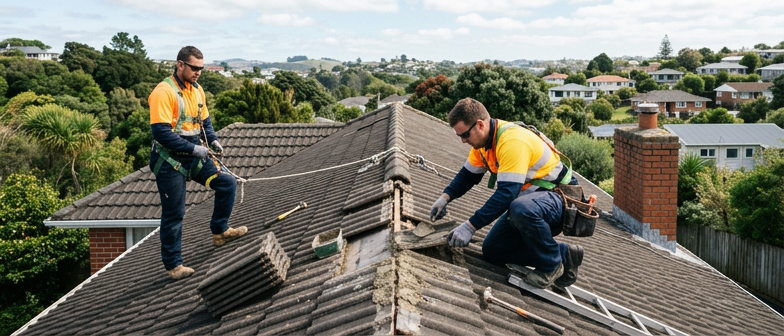
A roof repair company specialises in finding and fixing problems that threaten the weather‑tightness of your home, from small leaks to major storm damage. Locally, that can mean working on metal, tile, or membrane roofs, understanding coastal conditions, and meeting building and safety rules. When you search for emergency roof repair near you, you need a contractor who can respond quickly, make the roof safe, and set out a clear plan for follow‑up repairs. A reliable firm will inspect the whole roof, explain what has failed and why, and offer options that suit your budget and how long you expect to stay in the home.
Typical issues include cracked or slipped tiles, loose flashings around chimneys and skylights, blocked gutters that push water back under the roofing, and rusted fasteners or sheets on older corrugated metal roofs. Wind, heavy rain, and salt‑laden air can speed up wear, so small defects can quickly turn into internal leaks, mould, and damaged insulation. Because problems are often hidden until stains appear on ceilings, it is important to find a qualified roof repair contractor who is licensed, insured, and experienced with local roof types, rather than just choosing the cheapest quote. The right specialist will repair current defects and advise you on simple maintenance that reduces future risk and cost.
When you contact a roof repair company, treat each quote as more than just a price. Ask for a written breakdown of labour, materials, site preparation, safety measures, waste removal and GST so you can compare roof repair quotes on the same basis. Check whether scaffolding or other height equipment is included, how long the price is valid, and what happens if extra damage is found once the roof is opened. If companies suggest different systems such as corrugated iron, tiles or membranes, make sure they are quoting comparable products and warranties so you are not choosing a short‑term fix just because it looks cheaper.
Use each quote to judge how the roofer works and communicates so you can find a qualified roof repair contractor who suits your home. Ask how they will protect your whānau, pets and garden, how they manage wet weather delays, and who will be your main contact. A quote that clearly explains repair steps and realistic timeframes is usually more reliable than a vague estimate. If you are uncertain, ask contractors to explain the differences between their proposals in plain language so you can decide on overall value, not just the lowest figure.
Before accepting any offer, take time to check roofing contractor credentials through local registers and official records. Confirm they hold licences for restricted building work, carry current public liability insurance, and follow recognised health and safety standards for working at height. Look for membership of reputable industry bodies, recent local references and evidence of training on the roofing products they plan to use. This basic homework helps ensure the team repairing your roof is competent, accountable and likely to deliver durable, code‑compliant work.
| Quote Or Credential Factor | What To Look For | Risk If Ignored | Best For |
|---|---|---|---|
| Scope of work breakdown | Clear labour, materials, safety, waste, GST | Hidden extras, disputes over inclusions | Homeowners wanting predictable costs |
| Materials and system choice | Comparable products, known brands, written warranties | Short‑term fixes, early failure | Long‑term roof performance |
| Timeframes and disruption | Realistic schedule, wet‑weather plan, on‑site contact | Prolonged leaks, repeated visits | Busy households, remote workers |
| Licensing and insurance | Restricted building work licence, liability cover | Non‑compliant work, uncovered damage | Any structural or leak repairs |
| Health and safety practices | Scaffolding or height systems, clear site rules | Injury risk, project shutdowns | Homes with tamariki, pets, visitors |
| References and local experience | Recent local jobs, product training evidence | Unproven workmanship, poor finish | Whānau wanting durable, low‑stress repairs |
When you compare roof repair quotes, be cautious of prices far below other estimates, vague descriptions of materials or safety measures, and companies that will not give a clear written breakdown. A trustworthy roof repair company explains what is included, notes likely extra costs, visits the property before pricing the work, and does not pressure you to sign immediately.
Always check roofing contractor credentials before agreeing to work, especially for repairs at height or jobs affecting the structure. Be wary if they cannot show required licences, avoid sharing business details, have no recent local reviews, or refuse to confirm insurance. Dismissing building or safety rules is a strong sign they may cut corners and put your home at risk.
For homes with corrugated iron, rust is a common reason to call a Roof Repair Company. From the ground or a safe window you can look for reddish staining, flaking metal, or corroded fasteners, but avoid climbing onto the roof. Light surface rust on corrugated iron roof sheets can sometimes be treated if it is found early, yet pitted or perforated areas usually mean sections need replacing to stay weathertight. A qualified roofer will decide whether rust can be ground back and coated or if new sheets are required, and will also check flashings and fixings so the repair stands up to local wind and rain.
Moss and lichen can trap moisture and slowly damage coatings and joints, so arranging a professional roof moss damage inspection matters. From ground level you might notice green or white growth on the shady side of the roof, at ridges, or behind chimneys, along with dark streaks where water is not draining well. A specialist assesses how far the growth has spread, whether it is lifting laps or blocking gutters, then recommends safe cleaning methods that avoid breaking tiles or scratching metal. They may also suggest protective coatings or minor repairs at the same time to reduce how quickly moss returns.
After heavy rain, hail or strong winds, sudden leaks often lead people to search for emergency roof repair services near them. Inside, look for new stains on plasterboard, swollen architraves, or drips around light fittings, then book a roof leak inspection to pinpoint the source. In urgent cases a roofer may install temporary tarpaulins or flashings the same day, with permanent work scheduled once the weather settles. How long storm roof repairs take can range from a short visit to secure loose sheets or tiles through to several days if framing or underlay has been soaked, but a reputable contractor will outline the likely timeframe and prioritise any area that threatens electrical safety or essential living spaces.
Before you consider climbing up to check storm damage, remember a Roof Repair Company follows strict height safety rules for a reason. From the ground, look for missing sheets, sagging areas, or visible leaks, then book a roof leak inspection with a qualified contractor instead of using ladders or walking on a wet or mossy surface. If water is entering your home and you are searching for emergency roof repair near you, focus on protecting the interior and leave roof access, temporary tarping, and structural checks to trained professionals with proper gear.
When a roof leaks or becomes unsafe, the cost of repairs can be stressful. Help paying for roof repairs may be available from government agencies, local councils, iwi or Māori housing providers, and community organisations. Support usually covers essential work that keeps the home weathertight and healthy, not cosmetic upgrades, so a Roof Repair Company is often asked to explain why the work is urgent and how it protects the whānau living there.
To apply for roof repair financial help, homeowners generally need quotes from a qualified roof repair contractor, proof of income, and basic details about the property. Some programmes offer one‑off grants, while others use interest‑free or low‑interest loans repaid over time. Ask your roofer for a clear written quote and a short description of any health or safety risks, as this can strengthen applications and help case managers see why the work cannot be delayed.
Extra support is sometimes available when roof repairs are needed for a vulnerable household, such as homes with kaumātua, children, disabled family members, or people with long‑term health conditions made worse by damp or cold. Some Māori whānau may qualify for targeted whānau home repair assistance for serious problems like severe leaks or unsafe roofing. Local social services, iwi providers, or budgeting advisers can help you find suitable programmes, complete forms, and work with your roofing contractor so essential repairs go ahead as safely and affordably as possible.
How do I compare quotes from different roof repair companies?
Ask each Roof Repair Company for a written, itemised quote showing labour, materials, safety gear, scaffolding, waste removal and GST. Check the scope of work, warranty, price validity, and how extra damage will be charged.
Can a rusty corrugated iron roof be repaired?
Light surface rust can often be cleaned, treated and coated. If sheets are pitted, flaking or holed, a roofer will usually replace those sections and check flashings and fixings to keep the roof weathertight.
What should I do if I need emergency roof repair after a storm?
Stay off the roof. Move valuables, put containers under leaks, turn off power near water, then contact an emergency roof repair service to inspect, tarp if needed, and plan permanent work.
How can I check a roofing contractor’s credentials?
Confirm they hold current trade qualifications, insurance and any required licences. Ask for local references, photos of similar jobs, a physical address, and a written contract covering materials, safety and payments.
Is there help for vulnerable households that cannot afford roof repairs?
Yes. Some government programmes, councils, iwi and Māori housing providers offer help paying for essential roof work, including Whānau Home Repair assistance for repairs that improve health and safety.