
x
When your water heater starts leaking, making popping noises, or stops producing hot water, it’s hard to know what’s urgent and what you can safely try yourself. This guide walks through essential repair steps, safety shut‑offs, sediment flushing, and how home warranty and technician credentials factor into your options.
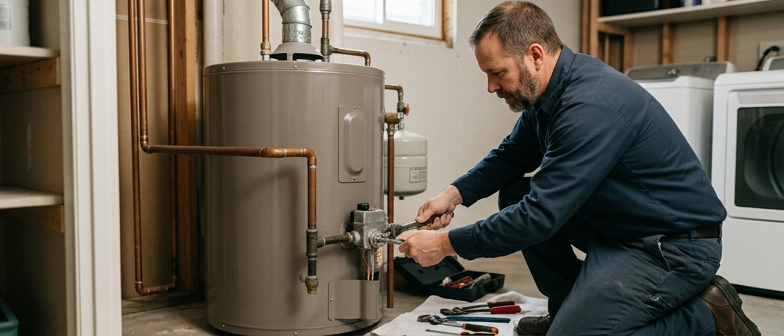
Water Heater Repair often begins when you notice less hot water, new noises, or leaks. If an electric unit suddenly delivers no hot water, first consider simple issues such as a tripped breaker, a high‑temperature cutoff that needs resetting, or a failed heating element. Always shut off power at the service panel before opening any access cover. Puddles near the heater, rust streaks on the tank, or damp walls can mean a leak that may qualify for professional water heater leak assistance under local rules or warranty terms, and should be treated urgently because moisture can damage floors and promote mold.
Safe troubleshooting means knowing when to stop. You can check that the area around the heater is clear, verify that shutoff valves are reachable, and confirm the thermostat is not set dangerously high. When you try to diagnose an electric water heater with no hot water, limit yourself to turning off power, inspecting the breaker, and using the manufacturer‑approved reset button; if it trips again or you notice burning smells, call a professional. Ongoing leaks, visible corrosion, or repeated electrical faults are signs that most homeowners should rely on a licensed specialist who understands formal leak assistance requirements, rather than risking shock, burns, or fire by attempting advanced repairs.
Popping or rumbling from a water heater often means sediment is trapping steam bubbles at the bottom of the tank. To diagnose this kind of popping noise, listen for boiling or mini‑explosion sounds when the burner or heating elements run. A common fix is to flush sediment from the water heater by shutting off power or gas, closing the cold supply, attaching a hose to the drain valve, and draining until the water runs clear. Regular flushing can quiet the tank and reduce stress on the metal shell.
If you see water on the floor, act quickly and safely. Shut off a leaking water heater by closing the cold water valve above the tank and turning off power at the breaker for an electric unit, or switching a gas model to the off position. Avoid standing water near wiring. Once the heater is off, look for loose piping connections, a corroded seam, or a dripping drain valve. Significant rust or a heavy leak usually means the unit needs professional repair or replacement, not just a tightened fitting.
Moisture around the temperature and pressure relief valve can be normal because this safety device opens when the tank overheats or pressure rises. An occasional drip may be expected, but steady leaking needs attention. Check that the thermostat is not set too high and that the discharge pipe routes water to a safe drain. If the valve keeps leaking after lowering the temperature, or looks corroded or stuck, do not cap it; instead, have a professional perform a proper relief valve leak fix and check system pressure.
| Issue Type | Immediate Safety Actions | Homeowner DIY Level | When To Call a Pro |
|---|---|---|---|
| Popping or rumbling noise | Confirm heater is stable and accessible | Moderate, if comfortable shutting off power and water | Noise persists after sediment flush or returns quickly |
| Minor floor moisture or slow leak | Turn off power or gas and close cold supply valve | Low to moderate, basic visual checks only | Any visible rust, seam damage, or unclear leak source |
| Heavy active leak | Stay clear of standing water near wiring | Not suitable for DIY beyond shutoff steps | Leak continues after shutoff or controls are hard to reach |
| Relief valve dripping occasionally | Verify discharge pipe leads to safe drain area | Low, simple observation and thermostat check | If unsure about temperature settings or pipe routing |
| Relief valve steady leaking | Do not cap valve; keep area accessible | Not suitable for DIY repair or replacement | Valve looks corroded, stuck, or keeps leaking after temp change |
If you discover your water heater leaking, cut power first: switch off the breaker for an electric unit or turn the gas control to off for a gas model. Then close the cold water supply valve above the tank to stop new water from feeding the leak. Keep people and pets away from any standing water, especially near electrical parts. If the leak is heavy or you cannot safely reach the controls, leave the area and contact emergency services or your utility company, then arrange professional help that meets typical water heater leak assistance requirements.
After the water heater is off and supply is closed, place a bucket or pan under the drip if you can and move or cover nearby belongings with plastic or towels. Open a hot water tap to relieve internal pressure, but do not attempt major repairs yourself and do not cap the relief valve. When you call for service, explain where the leak appears, how fast water is escaping, and what shutoff steps you have already taken so the technician can arrive prepared.
When you diagnose water heater popping noise, you are usually hearing water trapped under layers of mineral sediment at the bottom of the tank rapidly boiling and releasing steam. This churning and bubbling can sound like popcorn or a low rumble, especially in hard water areas where minerals settle in the tank. Ignoring these sounds can reduce efficiency and stress the tank, so they are a clear warning sign that maintenance is overdue.
To flush sediment from a water heater, turn off power or fuel, close the cold supply, attach a hose to the drain valve, and empty the tank into a safe drain point before briefly opening the cold supply again to stir up remaining debris. This controlled draining helps wash out sand, rust, and mineral flakes, quiets the tank, and allows the burner or elements to heat water more evenly, improving performance and extending tank life.
If you have no hot water, first confirm whether your water heater is gas or electric, because safe checks differ. On an electric unit, start at the breaker panel and see if the heater’s breaker has tripped; reset it once if needed. If power is restored but the water stays cold after normal recovery time, the problem likely involves heating elements, thermostats, or wiring inside the tank. Those components should not be opened or tested by homeowners, so switch the power back off and call a licensed technician to diagnose the electric water heater that is not producing hot water.
With a gas water heater, a frequent issue is a pilot light that will not stay lit. Before attempting any fix, make sure there is no gas smell and that the shutoff valve to the heater is open and intact. Follow the lighting instructions printed on the unit and avoid improvised tools or open flames. If the pilot lights but quickly goes out, there may be buildup on the pilot assembly, a failing thermocouple, or a venting problem affecting combustion. Instead of disassembling parts, observe and note any error codes, unusual drafts, or soot so a professional can safely address the cause.
Some owners try to check the gas thermostat when water is scalding or only lukewarm. A simple, safer test is comparing the dial setting to the actual hot water temperature at a nearby faucet with a cooking thermometer, using caution to avoid burns. A large mismatch, or a burner that never seems to turn on or off, points to a control or sensor issue. Because gas controls are tied directly to fuel delivery and ignition, detailed testing and adjustment of the thermostat should be left to a qualified water heater specialist; homeowners can limit themselves to observing burner cycling, flame consistency, and general temperature output.
If a gas water heater’s pilot light will not stay lit, confirm the gas control is set to pilot, follow the relight instructions on the label, and use a long lighter while staying back from the opening. If the flame keeps going out or you smell gas, see scorch marks, drafts, loose panels, or damage around the pilot assembly, stop, shut off the gas, and call a licensed technician instead of forcing a do‑it‑yourself fix.
To do a simple check of a gas water heater thermostat, make sure the temperature dial is above the vacation or low setting, then run hot water and see whether the water roughly matches the chosen temperature without being scalding. If the water never heats, overheats, or the burner cycles oddly, or you see wiring or gas components you do not understand, stop testing the thermostat and have a qualified professional perform proper diagnosis and repairs.
How should I respond if my water heater starts leaking suddenly?
Shut off power or gas, then close the cold water supply valve above the tank. Keep away from standing water and call a licensed technician or emergency services if the leak is heavy or near electrical parts.
What does a popping or rumbling noise from my water heater usually mean?
It usually indicates sediment buildup trapping steam at the bottom of the tank. Have the tank flushed to remove mineral deposits and reduce stress on the heater.
How do I safely flush sediment from a water heater?
Turn off electricity or gas, close the cold inlet, attach a hose to the drain valve, and drain the tank until water runs clear. Reopen valves and restore power only after the tank is refilled.
Does a typical home warranty cover water heater repair or replacement?
Many plans cover normal failures of gas or electric units, but often exclude improper installation, lack of maintenance, and pre‑existing damage. Check your contract and any special rules for propane systems.
What should I verify before hiring someone for water heater repair?
Confirm the technician’s license number, check that the contractor carries liability insurance, and make sure they are experienced with your type of heater, including gas controls, thermostats, and relief valves.