
x
Families navigating home caregiving often struggle to balance hands‑on support with complex rules for Medicare, Medicaid, VA and local aging services. This guide helps you compare coverage for in‑home care, understand waiver and caregiver payment options, and find respite and dementia‑specific support close to home.
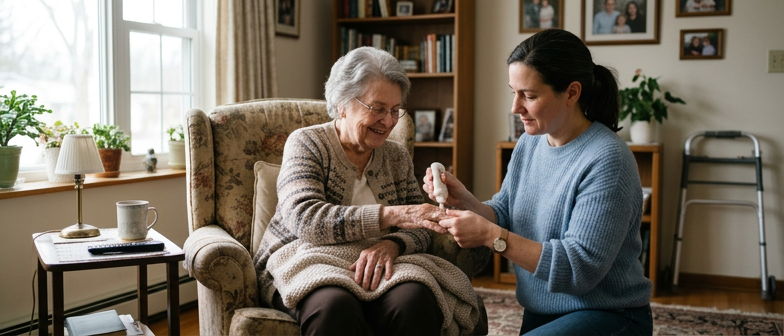
Home caregiving means supporting a person who needs help with daily life while staying at home. Care can be informal, provided by family or friends who manage meals, bathing, medications, transportation, and emotional support, often alongside work and other responsibilities. Formal care is delivered by paid helpers who offer personal care, companionship, or skilled nursing and therapy under a plan developed with health professionals. For people living with dementia, in‑home support often focuses on safety, predictable routines, and communication. Because this role can be physically and emotionally demanding, many families seek short‑term relief through respite arrangements so the main caregiver can rest while another qualified person provides care.
Home care is part of a wider set of long‑term support options, from non‑medical help at home to services supervised by clinical staff. Agencies may focus on personal care and housekeeping or operate as home health providers. Comparing nearby services usually involves checking which tasks they cover, staff training and oversight, costs and ways to pay, and experience with conditions such as dementia. Funding can come from private payment, insurance, or public programs when eligibility rules are met. Local aging services and caregiver support programs often help families understand available choices and decide what mix of family help, paid assistance, and respite care best matches the person’s needs and safety.
Medicare can cover home health services when a person is under a physician’s care, needs part‑time or intermittent skilled nursing or therapy, and meets homebound criteria. Covered care may include skilled nursing, physical, occupational, and speech therapy, certain medical social services, and limited home health aide support when it is directly linked to skilled treatment and properly documented. Medicare is not designed to fund long‑term custodial support, so ongoing help with bathing, dressing, meal preparation, or housekeeping is usually excluded when these services are not part of a skilled care plan.
A key distinction is between skilled home health services and non‑medical personal assistance. Skilled care involves clinical tasks that must be performed or supervised by licensed professionals, such as wound management, injections, or rehabilitation programs. Non‑medical assistance focuses on daily activities, supervision, and routine household tasks and is generally not covered by Medicare when it is the primary service. For people with limited income and resources, Medicaid may offer broader long‑term home‑based supports, including help with personal care, depending on state rules and separate eligibility assessments.
To use Medicare home health benefits, services usually must be delivered by a home health agency that is certified by Medicare and meets federal quality standards. When choosing among nearby agencies, families can consider whether the agency works with the person’s insurance, has experience with the relevant health conditions, and maintains clear communication with clinicians and caregivers. Public information sources, such as official comparison tools and local aging services offices, can help review quality ratings, complaint patterns, and the range of services before deciding which certified agency to use.
Medicare home health coverage is designed for short‑term, medically necessary skilled services ordered by a doctor, usually after an illness or hospital stay. Care is delivered by a certified home health agency and focuses on intermittent nursing or therapy, not on ongoing help with bathing, dressing, or other daily activities.
Medicaid home care is part of long‑term support for people who meet income, asset, and functional‑need rules set by each state. It can include assistance with daily activities and may be offered through home‑ and community‑based services waivers. Reviewing your state’s Medicaid waiver eligibility alongside Medicare’s home health criteria helps families understand which program may support different aspects of care at home.
Medicaid home and community-based services waivers help people with significant health or functional needs receive support at home instead of in a nursing facility. States use these waivers to fund personal care, homemaker assistance, adult day services, and similar supports that make daily living safer. Eligibility typically depends on financial criteria, such as income and assets, and on clinical factors showing the person would otherwise require a higher level of care. Because each waiver is designed and administered by an individual state under federal approval, the specific services covered, any waiting lists, and the number of hours authorized must be confirmed in current state Medicaid information.
Applying for Medicaid-covered home care generally starts with confirming that the person meets basic Medicaid rules, followed by a long-term services and supports assessment. Applicants or their representatives usually submit financial documentation to the state Medicaid agency and participate in a review of mobility, daily activities, cognition, and safety at home. If the state finds that the person qualifies for a home care waiver, a care plan is created that lists the types of services and the frequency of visits. Because timelines, forms, and appeal procedures differ across states and can change, families need to refer to official Medicaid offices or published guidance when checking how to apply for these programs.
Some waiver programs offer self-directed or consumer-directed options that let the person receiving services choose and manage their caregivers. In these arrangements, participants may recruit, train, and schedule their own workers, which can include certain relatives if state rules allow it. When a family member is approved to provide care, payment for authorized hours is usually processed through a fiscal intermediary, and the caregiver may be treated as an employee for wage and tax reporting. Not all states permit paying a spouse or close relative, and hours are limited to those in the care plan, so anyone hoping to be paid to care for a parent needs to review state self-direction policies and confirm which relationships qualify and under what conditions.
Applying for Medicaid home care starts with checking whether the person meets the state’s financial and medical criteria. Families usually contact the state Medicaid office or local social services to learn which in‑home supports and waiver programs exist, and what documents are required, such as proof of income, assets, residency, and medical evaluations. After an application is filed, the agency typically arranges an assessment to decide the level of care and whether the person is eligible for standard home health, a home‑ and community‑based waiver, or a self‑directed model that allows more choice of caregivers. Because rules, waiting lists, and covered services differ widely by state, people need to follow current official guidance and understand that approval, service amounts, and start dates depend on the administering agency’s review.
The Department of Veterans Affairs offers homemaker and home health aide services to help eligible veterans remain safely at home and to support family caregivers. Aides can assist with bathing, dressing, mobility, light housekeeping, and observing day-to-day health needs. Care is coordinated with a VA clinical team that prepares a plan based on the veteran’s functional status, medical conditions, and personal goals. For many families, these services reduce physical strain and make ongoing care at home more manageable compared with relying only on relatives or considering a long-term care facility.
Veterans who want to learn about these in-home support options typically begin by speaking with their VA primary care provider or a social worker. These professionals can explain what is available locally, the clinical criteria, how to apply, and whether a copay is charged. Copay requirements depend on factors such as the veteran’s priority group, type and amount of service, and other VA health benefits, and are determined under national VA rules. Once services are approved, families can coordinate visit schedules, share details about routines and preferences, and use the aide’s help with personal care so they can focus more on supervision, safety, and emotional support.
What is home caregiving, and how is it different from paid home care?
Home caregiving is usually unpaid help from relatives for daily activities and emotional support, while paid home care uses hired aides or nurses who follow a service or care plan.
How does Medicare home health differ from ongoing personal care at home?
Medicare generally covers short‑term skilled nursing or therapy from a certified home health agency when medically needed, not long‑term assistance with bathing, dressing, meals, or housekeeping as the main service.
What should families know about Medicaid home care waivers and paid family caregiving?
Some state Medicaid waivers fund personal care and homemaker services at home for people who meet financial and clinical criteria; certain programs may pay relatives, but rules, hours, and any waiting lists depend on state policy.
How can someone start an application for Medicaid home care services?
Usually they contact the state Medicaid or local social services office, submit financial and medical information, and complete an assessment that reviews eligibility and what in‑home support may be approved.
What home‑based options can give dementia caregivers respite?
Choices can include dementia‑trained in‑home aides, short‑term respite stays, adult day programs, and guidance from the local Area Agency on Aging about supports designed for caregivers.