
x
Whether you are choosing between a simple head massage, a Japanese-style head spa or a scalp treatment, it helps to understand how each affects relaxation, sleep and hair concerns, how long sessions usually take, and what to check for in pricing, licensing and massage packages.
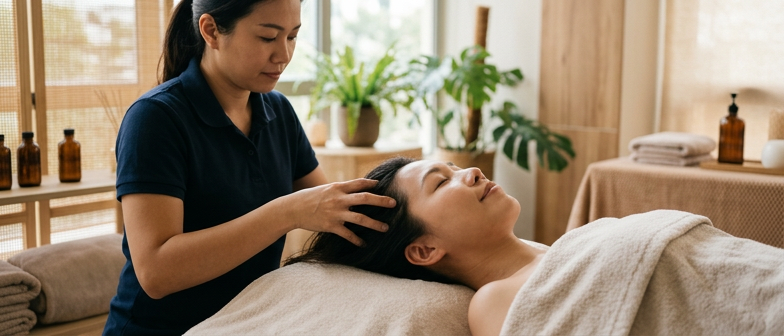
Head massage refers to techniques applied to the scalp, temples, neck and often the upper shoulders, with the main aim of relaxation rather than medical treatment. Practitioners usually use rhythmic pressure, gentle kneading and light stretching to ease muscle tension and provide a calming sensory experience. Many people feel less stressed and more settled in their breathing after a session, and some find it easier to fall asleep when they feel physically and mentally relaxed. These effects vary widely and depend on factors such as lifestyle, mental health and existing sleep habits, so head massage is better viewed as one possible tool for comfort and rest, not a guaranteed way to resolve insomnia or anxiety.
Modern head spa builds on traditional head massage and adds steps focused on scalp care and overall ambience. A typical visit may include checking the scalp condition, cleansing and mild exfoliation, followed by massage using hands alone or with specialised products, and a short quiet period to wind down. Services are usually presented as wellness experiences aimed at temporarily easing tension and improving mood or perceived sleep quality. While some providers mention potential support for scalp health, massage on its own is unlikely to reverse hair loss caused by genetics or underlying medical conditions. Anyone noticing persistent sleep issues or clear changes in hair or scalp should consider discussing them with a healthcare professional alongside any spa or massage routine.
A basic head massage is mainly for relaxation and general wellbeing. Practitioners usually work over the scalp, temples, neck and upper shoulders with rhythmic pressure and gentle kneading. The focus is on easing tension and improving local circulation, not on treating specific scalp or hair conditions. A scalp treatment, in contrast, is more problem‑oriented. It may start with observing the scalp, then cleansing with targeted products and applying tonics or masks for concerns such as dandruff, excess oil, irritation or perceived thinning hair. Massage can be part of the process, but the priority is the condition of the skin and hair follicles, and persistent symptoms are better discussed with qualified professionals.
Japanese‑style head spa blends relaxation techniques with structured scalp care in a longer, ritual‑like appointment. People commonly experience consultation, thorough cleansing with specialised shampoos, careful rinsing, extended scalp massage and sometimes masks or aromatherapy in a quiet setting that emphasises comfort. A session often lasts about 60 to 90 minutes, depending on the service menu and hair length, though shorter or longer versions may be offered. Compared with a brief head massage, this approach gives more attention to sequence and fine technique, including slow pressure, stretching and detailed stimulation of the scalp. Outcomes differ between individuals, but many seek head spa mainly for stress relief, a fresher scalp sensation and a pampering experience rather than for treating medical hair or skin disorders.
| Option | Primary Aim | Experience Style | Session Duration | Best Suited For |
|---|---|---|---|---|
| Basic head massage | Relaxation and tension relief | Simple, rhythmic scalp and shoulder work | Short, compact visit | Stress relief without focused scalp care |
| Scalp treatment | Targeted scalp and hair concerns | Assessment, cleansing, treatment products | Moderate, step-based visit | Visible issues like oiliness or flakes |
| Japanese head spa | Structured relaxation with scalp care | Ritual flow with consultation and extended massage | Long, unhurried visit | Pampering, deep unwind, fresher scalp feel |
Many head spa appointments run for about 60 to 90 minutes, with some shops offering shorter or extended versions. A session generally starts with a brief discussion of your scalp condition and any sensitivities, then gentle cleansing and warm water or mist to soften buildup. Japanese‑style services often add slow, pressure‑point massage over the scalp, neck, and shoulders to support relaxation. This is usually followed by a mask or treatment and a quiet rest period, then rinsing, light drying, and simple styling. Exact timing and steps differ between providers, so it is helpful to read the service description and ask in advance if you have particular preferences or time limits.
When choosing between a dry head massage and an oil-based option, start with your scalp and hair condition and your tolerance for post-session care. Dry techniques use pressure and gentle stretching on the scalp, neck and temples without products, which suits people who prefer not to wash their hair afterwards or are concerned about clogged pores. Oil-based massage relies on plant oils or blends to create smoother movements and add moisture for a dry scalp or brittle hair, but its effect on hair loss is usually limited and depends more on medical factors and overall hair care. If you have allergies, sensitive skin or an existing scalp disorder, inform the practitioner and, if needed, seek advice from a healthcare professional before agreeing to an oil treatment.
Lifestyle and comfort also influence the decision. Dry head massage can be practical if you plan to go back to work or social activities, because it leaves little residue and fits easily into a busy day. Oil massage often feels richer and more soothing, but it requires extra time to wash and dry hair. Whether a session helps with sleep generally depends on relaxation, the environment and technique rather than on using oil. When scheduling, you can ask the massage provider to describe their usual head massage steps, how they adjust pressure, and what they do to avoid hair breakage or increased shedding, especially if you already notice thinning or are worried about removing residual oil.
Many people choose head massage to relax, and some feel calmer or sleepy afterwards. Gentle, repeated pressure on the scalp, temples and neck may ease muscle tension and help the body wind down, but its impact on sleep quality varies. Existing sleep habits, stress levels and health conditions all play a role, so massage is better viewed as a relaxation tool than a stand‑alone method for managing insomnia.
For hair and scalp issues, massage is usually described as supporting local blood flow and awareness of scalp care, not as a direct treatment for hair loss. Thinning hair can be linked to genetics, hormones, nutrition and medical conditions, and these factors generally need assessment by a healthcare or hair‑care professional. A soothing session can still be part of wider self‑care, but claims that massage can prevent or reverse hair loss should be considered cautiously and checked against professional advice.
Head massage and head spa prices differ because of therapist training, techniques, products and session length. A specialised head spa with scalp assessment, professional products and longer treatments usually costs more than a quick massage at a neighbourhood shop. When looking for cheaper options nearby, consider what is included, how long the visit lasts and whether the setting and hygiene standards feel acceptable, rather than judging only by the lowest price.
Price transparency matters wherever taxes and add‑on fees apply. Some businesses show a base price and add tax at payment, while others list tax‑inclusive prices. Reading the detailed terms, asking if consultation, scalp treatments or specific oils are charged separately, and confirming whether the final amount includes tax helps avoid surprises. Staff who can clearly explain what you receive for the stated price make it easier to understand the real cost of a head massage or head spa.
Prepaid massage packages may reduce the cost per visit but limit you to one provider and depend on using all sessions within the validity period. Before buying, compare package and single‑session rates, check cancellation and refund conditions, and think about how often you realistically want head massage. People who value flexibility or are still trying different shops may find paying per visit more suitable than committing to a large upfront package, even when the package appears cheaper.
What is the main difference between a simple head massage and a scalp treatment?
A head massage focuses on relaxation and easing tension in the scalp, neck and shoulders, while a scalp treatment targets specific issues such as dandruff, excess oil or irritation with cleansing and treatment products.
How long does a typical Japanese-style head spa session take?
Many Japanese-inspired head spa sessions last about 60 to 90 minutes, depending on the salon, the level of scalp assessment and the number of treatment steps included.
Can a head massage help me sleep better?
Head massage can promote relaxation and may help some people feel sleepy, but its impact on sleep quality varies and long‑term insomnia is better discussed with a healthcare professional.
How can I check whether a massage shop is properly licensed?
You can look for licence numbers on certificates displayed in the shop, ask staff which authority issued their licence, and, where possible, verify the information on the local regulator’s official website.
Why do head spa services often cost more than basic head massage?
Head spa prices are usually higher because they involve longer sessions, specialised training, detailed scalp assessment and professional treatment products, not just simple massage techniques.