
x
Gutter cleaning keeps water away from your roof and foundation, but it can be risky, time‑consuming, and confusing to plan. This guide helps you decide when DIY makes sense, when to hire insured, background‑checked cleaners, and how to budget time and costs for safe, effective service.
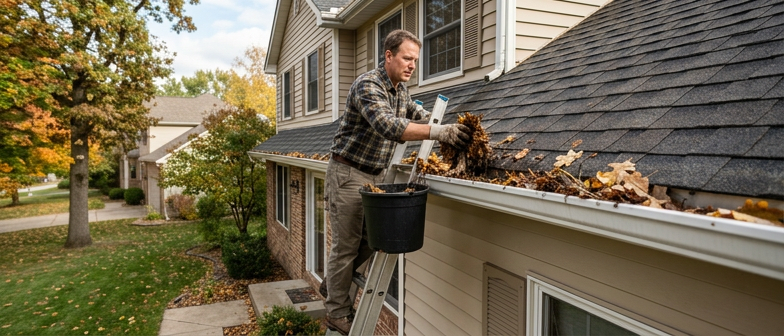
Gutter cleaning is basic home protection, not just a cosmetic chore. Clear gutters and downspouts carry rainwater away from your roof, siding, and foundation instead of letting it soak in. Clean gutters help prevent roof leaks, rotted fascia boards, peeling paint, and water pooling at the foundation that can lead to damp basements or structural damage. They also shield landscaping from heavy overflow that erodes soil, washes out mulch, and encourages pests, mold, and mildew in wet debris.
Trouble starts when debris builds up and water has nowhere to go. Sagging sections, rust, stains on siding, or water pouring over the edge during a storm are signs you may already need gutter overflow cleaning or repair, not just a quick sweep. Long‑term neglect can let water back up into the roof or leak into walls, turning simple gutter cleaning into a more serious gutter or drain repair issue, sometimes involving underground lines. Once leaks, cracks, or separation from the house appear, you are dealing with more complex and costly repairs that are harder to delay.
How often you need gutter cleaning depends on your climate, how many trees hang over your roof, and your roofing type. In leafy neighborhoods, it is smart to schedule gutter cleaning after leaf fall in late autumn, then reassess after major winter storms or heavy spring pollen. Homes under pine trees may need service several times a year because needles shed year‑round, while more open lots may only require a thorough cleaning once or twice annually. Staining on siding, damp spots near the foundation, or visible debris sticking out of gutters are signs you should not wait for your next planned visit. When you speak with a local company, ask for a realistic gutter cleaning service time estimate, because a tall, complex roof or long gutter runs may take longer and influence how many appointments you plan each year.
Scheduling is not only about frequency; it is also about preventing damage when water has nowhere to go. Plan cleanings before the rainy season so gutters can carry water away from your home instead of overflowing. If you already see water cascading over the edges, ask whether simple debris removal is enough or if targeted gutter overflow cleaning or repair is needed. Routine visits that clear leaves and check downspouts will handle most situations, but long‑term neglect can loosen hangers, create sagging sections, or even pull gutters away from the fascia. Adding a quick inspection and any minor repairs to your seasonal gutter plan helps keep maintenance predictable instead of reacting after leaks or basement moisture appear.
| Home & Yard Scenario | Suggested Cleaning Frequency | Best Time To Schedule | Typical Service Time Range | Extra Notes |
|---|---|---|---|---|
| Leafy lot with trees over roof | Several times per year | After leaf fall and before rainy season | Moderate to long | Watch for staining and visible debris |
| Home under pine or evergreen trees | Frequent year‑round visits | Spread across seasons | Moderate to long | Needle buildup can quickly cause overflow |
| Open yard with few nearby trees | Once or twice per year | Before major rainy period | Short to moderate | Add quick inspection for sagging or loose hangers |
| Tall or complex roofline | At least seasonal visits | Before storms and after heavy weather | Long | Plan extra time in gutter cleaning service estimate |
| Signs of gutter overflow or damp foundation | Immediate unscheduled visit | As soon as overflow appears | Moderate | May require gutter overflow cleaning or repair |
For a typical one- or two-story home, a professional gutter cleaning usually takes about one to two hours, and that gutter cleaning service time estimate is what many companies use when building your quote. Larger homes, three-story properties, or complicated rooflines can stretch into several hours, especially if access is tricky or safety gear takes extra time to set up.
Jobs run longer when the crew has to deal with packed debris, standing water, or blocked downspouts that need a dedicated downspout clog removal service instead of a quick flush. When you request a gutter cleaning estimate near you, sharing square footage, number of stories, time since the last visit, and any problem areas helps the company block enough time to finish in one visit.
If you plan to handle some gutter cleaning yourself, start with safety. Many homeowners now choose safer gutter cleaning without a ladder by using telescoping poles, curved wands, or hose attachments so they can work from the ground. Wear eye protection, waterproof gloves, and shoes with good grip, and stay clear of power lines or damaged roofing. If a section cannot be reached comfortably from the ground or a very low, stable step stool, stop instead of stretching or climbing higher and plan to bring in a professional.
As you clear out leaves and grit, watch how water moves so you can tell whether it is simple gutter cleaning or something closer to a drain repair issue. After removing debris, flush the channels with a garden hose and look for leaks at seams, sagging runs, or water backing up at corners. If downspouts connect to underground drains and water surges back toward the foundation or bubbles up in the yard, that often points to a problem beyond routine maintenance. Trying to dig or snake buried piping on your own can cause damage, so it is usually better to document what you see and call a drainage or plumbing specialist.
If water still does not flow freely after rinsing the troughs, the blockage is often in the vertical pipe, and a downspout clog removal service can help. You can try gentle steps first, such as tapping the downspout to loosen packed leaves or running a moderate‑pressure hose from the bottom up, but avoid extreme force that might blow joints apart. When the clog is high up, the downspout is tall, or it connects into underground drains, knowing when to stop and let a pro take over keeps you off dangerous ladders and reduces the risk of hidden damage.
For safer gutter cleaning without a ladder, focus on tools that let you stay on the ground or a low, stable step. Telescoping gutter wands that connect to a garden hose can flush leaves and roof grit from open gutters, especially when they have curved heads to follow the trough. For dry buildup, extension poles with brush or scoop attachments help clear single‑story eaves while safety glasses and a hat protect you from falling debris.
Because blockages often sit inside downspouts, combine these ground‑level tools with a downspout clog removal service or similar clearing method. Many homeowners use pressure‑washer attachments or flexible drain rods fed up from the bottom outlet, then run water to confirm a steady stream away from the foundation. If you have steep roofs, multiple stories, or stubborn clogs, bringing in a professional who uses secured equipment from the ground or platforms is usually the safest choice.
It makes sense to hire a professional Gutter Cleaning service when your gutters are hard to reach, the roof is steep or complex, or you are uneasy working at height. For a tall two‑ or three‑story house, it is usually safer to hire a gutter cleaner familiar with multistory work instead of improvising with your own ladder. When you look for background‑checked gutter cleaners near you, focus on companies that mention employee screening, safety training, and experience with local gutter issues, then use recent reviews and years in business to narrow your list.
Before you commit, ask a nearby provider for a written gutter cleaning estimate so you know what is included. A useful quote explains whether they bag and remove debris, flush downspouts, and handle basic tasks such as resecuring loose hangers or sealing a tiny seam leak. Reputable companies will readily provide gutter cleaner proof of insurance, including liability and workers’ compensation, so you are protected if a worker is injured or your siding is damaged. If a company hesitates to share insurance details or refuses to put the price and scope in writing, choose someone else.
Routine gutter cleaning can reveal bigger issues and raise the question of simple cleaning or true drain repair. If water still backs up after the gutters are cleared and downspouts are flushed, a professional can help determine whether underground drain lines are collapsed, disconnected, or blocked by roots and whether you should call a plumber or drainage specialist. The more complex the problem, the higher the risk, or the taller the house, the more it pays to rely on an insured, background‑screened specialist instead of trying to diagnose everything yourself.
Why does regular gutter cleaning matter so much for my home?
Clean gutters move water away from your roof, walls, and foundation, reducing leaks, wood rot, peeling paint, basement dampness, and soil erosion around your landscaping.
When should I schedule gutter cleaning after the leaves have fallen?
In leafy areas, book a cleaning in late autumn once most leaves are down, then check again after major winter storms or heavy spring debris to see if another visit is needed.
How can I clean gutters more safely without using a tall ladder?
Use telescoping poles, curved gutter wands, or hose attachments so you can work from the ground or a low step, and stop if any section requires climbing higher than feels safe.
What should I ask a local gutter cleaner about time and insurance?
Request a clear time estimate based on your home’s size and height, and ask for proof of insurance so you know they are covered if there is an accident or property damage.
How do I know if I need gutter cleaning or actual drain and downspout repair?
If overflow or a clog disappears after a thorough cleaning, repair usually isn’t needed; if water still backs up or downspouts stay blocked, you likely need drain or gutter repairs.