
x
Curious how GLP‑1 medicines like Ozempic fit into a realistic weight‑loss plan? This guide explains what GLP‑1 is, how a GLP‑1‑style diet works, and what to know about prescription injections and safety checks if you’re considering these treatments in New Zealand.
GLP-1, or glucagon-like peptide-1, is a hormone naturally produced by the body. It is released by the gut after eating and plays a role in digestion, blood sugar regulation and feelings of fullness. GLP-1 helps the pancreas respond to food by supporting the release of insulin. It also slows the movement of food through the stomach and sends signals to areas of the brain involved in appetite and satiety. Together, these actions help the body respond to food and regulate how much and how often a person may want to eat. The term GLP-1 can refer to the hormone naturally produced by the body as well as medicines that act on GLP-1 receptors. These medicines are used for different medical purposes depending on the specific product and its approved indications.
GLP-1 is involved in the body's natural system for regulating hunger and fullness. When GLP-1 activity increases after eating, signals are sent to the brain that can contribute to a feeling of satiety. GLP-1-based medicines can act on similar pathways. People taking these medicines may experience changes in appetite, food intake and feelings of fullness. The effect varies between individuals and can also depend on the particular medicine being used. Slower stomach emptying is another part of the way GLP-1 medicines can work. Food may remain in the stomach for longer, which can contribute to feeling full after eating. These effects are one reason GLP-1-based medicines have become an important topic in discussions about diabetes care and weight management.
GLP-1 medicines do not replace the nutritional value of a balanced diet. When appetite changes, it can become useful to pay attention to the quality and variety of food rather than simply the amount eaten.
A balanced eating pattern can include:
Some people may find that smaller meals are more comfortable when taking medicines that affect appetite or digestion. Eating slowly and paying attention to fullness can also make it easier to recognise when enough food has been eaten. There is no single menu that is appropriate for everyone. Dietary needs can vary according to age, activity level, cultural preferences, existing health conditions and other medicines.
The phrase “GLP-1 diet” is commonly used to describe eating habits that may be suitable for people whose appetite or digestion has changed while taking a GLP-1-based medicine. It does not refer to one medically defined diet. In practice, this type of eating pattern generally focuses on nutritious foods in portions that are comfortable and appropriate for the individual. Protein, fibre, vegetables, fruit and whole grains can help provide important nutrients when overall food intake changes. Rather than following a highly restrictive menu, a balanced approach can focus on meeting nutritional needs while responding to changes in hunger and fullness.
Protein is an important part of a balanced eating pattern because it provides amino acids needed for normal body functions and helps maintain muscle tissue. Sources include fish, eggs, poultry, dairy foods, tofu, tempeh, lentils, beans, nuts and seeds. Fibre is found in foods such as vegetables, fruit, legumes, oats and whole grains. It contributes to normal digestive health and can be included as part of a varied diet.
Fluids are also important. Water is a simple choice for staying hydrated throughout the day. Individual fluid needs vary, particularly for people with certain medical conditions, so anyone with specific dietary restrictions should follow advice from their healthcare professional. If a person experiences digestive discomfort after starting a medicine, food choices and meal size may need to be adjusted. A doctor, pharmacist or dietitian can provide advice based on the individual's circumstances.
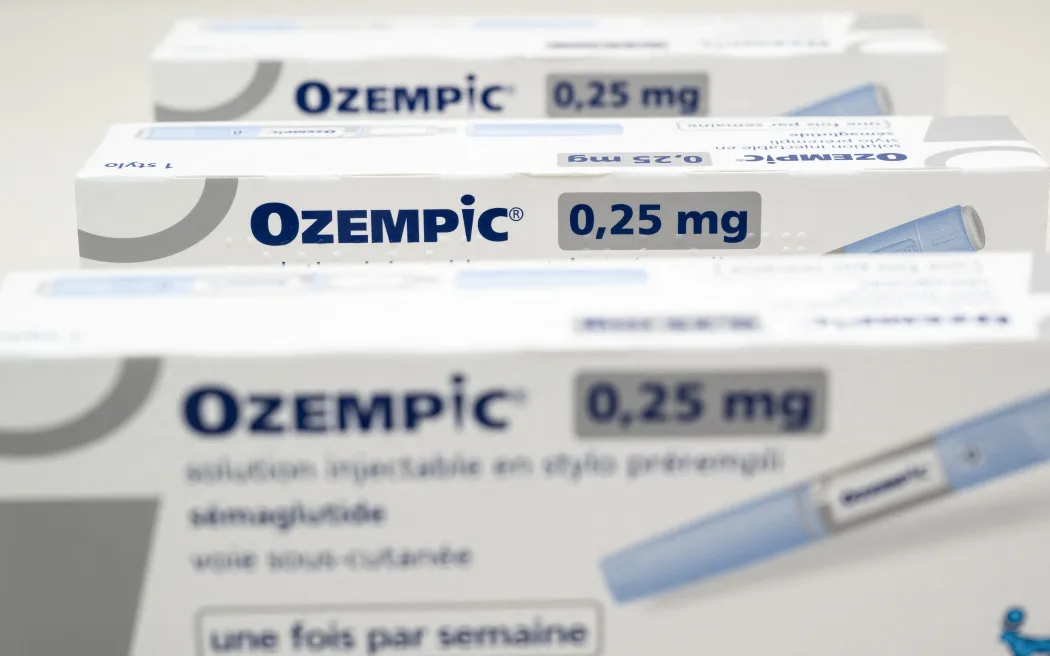
Several medicines that act on GLP-1 pathways are used in New Zealand for different medical purposes. Semaglutide is the active ingredient in medicines including Ozempic and Wegovy. The products have different approved uses, so they should not be treated as interchangeable simply because they contain the same active ingredient. Tirzepatide, the active ingredient in Mounjaro, acts on both GIP and GLP-1 pathways. It therefore has a somewhat different mechanism from medicines that act only on the GLP-1 receptor.
New Zealand's medicines regulator, Medsafe, assesses medicines for quality, safety and effectiveness and maintains official information about approved products. Health New Zealand also provides information about injected medicines used for weight management. The approval and use of a medicine can change over time. Current product information should therefore be checked through official New Zealand sources rather than relying on older online information.
Food is only one part of maintaining overall health. Regular physical activity, adequate sleep and everyday routines can also contribute to wellbeing. For people using a GLP-1-based medicine, maintaining a varied diet and regular activity can help support general health while appetite and eating patterns change. Physical activity can include walking, swimming, cycling or other activities that are appropriate for the individual. Muscle-strengthening activities may also be useful as part of a balanced exercise routine. Sleep and stress management are important as well. A sustainable routine is generally easier to maintain when it fits a person's daily life, preferences and circumstances.
GLP-1-based medicines are prescription medicines and are not suitable for everyone. The appropriate medicine, dose and treatment approach depend on the specific product and the individual's health circumstances. People taking these medicines should follow the instructions provided by their healthcare professional and the consumer medicine information for their specific product. Anyone who has questions about appetite changes, digestive symptoms, nutrition, other medicines or whether a particular treatment is appropriate should speak with a qualified healthcare professional. Information about medicines should be used as general education and should not replace personalised medical advice.