
x
Airbnb cleaning jobs appeal to people seeking flexible, part‑time income from short‑term rentals but raise questions about pay, background checks and insurance. This guide helps you understand turnover cleaning tasks, typical hourly or per‑job rates, how to find legit hosts or apps, and what protection cleaners may need.
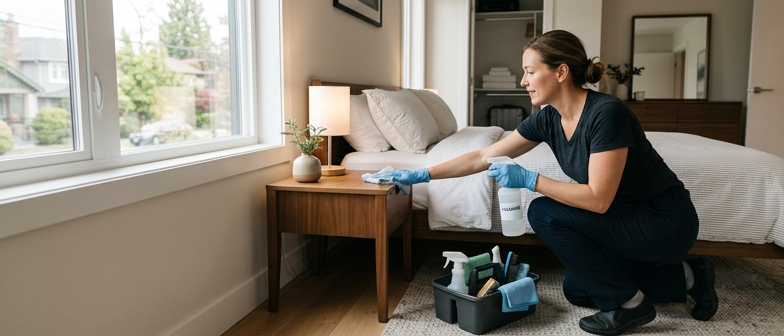
Airbnb cleaning work focuses on getting short‑term rentals guest‑ready between stays, rather than maintaining a long‑term household for the same residents. A cleaner usually follows a host’s checklist and platform guidelines, aiming for consistent standards so guests find the space looking the same as in the listing photos. Tasks often include detailed bathroom and kitchen cleaning, dusting and vacuuming, changing and laundering linens, and removing trash and recycling. Because these jobs are tied to bookings, they are typically scheduled around check‑out and check‑in times, which can mean working within a tight window and coordinating with hosts or property managers.
Turnover cleaning is the core of most Airbnb roles and describes the process of resetting the entire property between one guest and the next. Beyond standard surface cleaning, turnover often involves restocking supplies like soap, coffee, and paper products, checking for damage or missing items, and setting up small touches such as neatly folded towels or arranged amenities. Cleaners may be asked to report issues they notice so hosts can handle repairs or claims through the platform. The work combines regular residential cleaning skills with attention to presentation, speed, and reliability, since the condition of the property can influence guest reviews and future bookings.
| Aspect | Standard House Cleaning | Airbnb Turnover Cleaning | Typical Timing | Best For |
|---|---|---|---|---|
| Primary goal | Ongoing household upkeep | Guest-ready reset between stays | Flexible scheduling | Residents wanting routine support |
| Task focus | Surface cleaning and general tidying | Full reset plus staging for photos | Aligned with resident preferences | Clients prioritizing comfort over speed |
| Supplies and amenities | Basic cleaning products | Restocking guest essentials and amenities | Planned around family routines | Homes with stable supply needs |
| Coordination needs | Direct contact with residents | Checklist-driven with host or manager | Adjustable appointments | Households preferring informal arrangements |
| Performance pressure | Moderate presentation expectations | High emphasis on consistency and reviews | Lower urgency | Cleaners who prefer steady, less time‑sensitive work |
Airbnb turnover cleaning refers to the focused, time‑sensitive cleaning done between guest stays to reset a short‑term rental so it looks and feels ready for the next booking. Unlike a casual tidy‑up, turnover work follows a clear checklist: cleaners strip and remake beds, sanitize bathrooms and kitchens, remove trash and old food, restock essentials like paper products and toiletries, and spot‑check for damage or missing items. Because reservations can be tightly scheduled, this type of cleaning emphasizes speed without sacrificing consistency. Hosts often rely on standardized procedures and photos or apps to confirm that each task is completed the same way every time, which helps protect the property, reduce disputes about cleanliness, and support the overall reliability of Airbnb cleaning jobs.
Pay for short‑term rental cleaning is usually set as either a flat fee per turnover or an hourly rate. Earnings depend on property size, local demand, and whether you work directly for a host or through a management company. Smaller one‑bedroom listings tend to pay less but can be finished quickly, while larger homes pay more because they take longer and often include laundry or restocking. Some cleaners prefer fixed prices so they know what each job will pay, whereas others choose hourly arrangements to be compensated for extra time during deep cleans or after heavy guest use.
Hourly pay is often higher than for general residential cleaning because turnovers are time‑sensitive and detail‑focused, but there is no single standard rate. Income is influenced by how many bookings a property receives, how many listings you serve, and whether you treat cleaning as part‑time work or a main source of earnings. People using it as a side job usually schedule around other commitments, concentrating on weekend check‑outs or specific turnover windows. Those seeking more stable income may work with multiple hosts or companies to balance seasonal changes and cancellations, while accepting that weekly hours can still fluctuate.
To judge whether a cleaning role is legitimate, start by checking who offers the job and how they describe it. Genuine hosts or companies typically state the duties, pay method, expected schedule, and any conditions such as background checks or proof of insurance. Offers that are vague, promise unusually high pay for little work, ask for upfront fees, or avoid written agreements are warning signs. You can lower risk by asking for a simple contract, verifying the business name, using traceable payment channels, and reviewing feedback on local property managers or discussing expectations clearly with the host in advance.
Airbnb cleaning work is usually paid either by the hour or as a flat fee for each turnover, meaning the full reset of a property between guests. Hourly pay shows clearly what you earn for your time, while turnover fees cover the entire job, no matter how long it takes. Rates tend to be higher in busy urban or tourist areas, where demand and operating costs such as transport and supplies are greater.
How much an Airbnb cleaner earns depends on the size and condition of the listing, the number of beds and bathrooms, and whether tasks like laundry, restocking, or reporting damage are included. Some hosts or managers offer different pay for quick tidy jobs versus deep cleans after longer stays. Because these conditions vary widely, cleaners in similar roles may see different incomes, so it is important to agree on scope of work and pay structure before accepting new jobs.
Many Airbnb cleaning roles are open to people with limited or no formal experience. Hosts and property managers usually care more about reliability, careful attention to detail, and the ability to follow cleaning checklists than about previous hotel or janitorial work. Useful qualifications include working within tight checkout and check-in windows, understanding short-term rental turnover, handling linens and amenities, and communicating quickly if problems arise. New cleaners often build trust by highlighting other responsible roles they have held, offering references, and showing that they understand privacy and respect for guests’ belongings.
Because cleaners work in private spaces, screening and risk management are important. Some hosts arrange third-party background checks that focus on identity confirmation and criminal records, while others rely more on references and local reputation. Cleaners can ask what checks will be carried out, how data is handled, and whether the expectations are written down. Insurance is another part of protecting both sides. Depending on local rules and the way the work is set up, cleaners may be asked to carry liability insurance or similar coverage. Even when it is not required, having suitable insurance and knowing its limits helps reduce financial risk if property is damaged or if someone claims an injury connected to the cleaning work.
Screening for Airbnb cleaning roles often includes identity verification and, in some cases, criminal background checks, especially when cleaners have unsupervised access to properties and guests’ belongings. Cleaners should review each host’s or platform’s policy to understand what information is collected, how long it is stored, and how any past issues might affect eligibility for work.
Protection also involves legal and financial safeguards. Many cleaners look into liability or small business insurance so they are better prepared if they are accused of damaging property or causing an injury while working. Hosts may rely on platform protections yet still ask cleaners to carry their own cover, so it is useful to check local rules, compare insurance options, and keep written agreements that explain responsibilities and claim procedures.
What does Airbnb turnover cleaning usually include?
It covers stripping and remaking beds, sanitizing bathrooms and kitchens, removing trash and food, light dusting and vacuuming, and restocking basics like paper products and soap, all within the check‑out to check‑in window.
Can I get Airbnb cleaning jobs with no prior experience?
Yes, many hosts hire beginners if they are reliable, follow checklists carefully, communicate clearly, and can show references or other proof of responsible work.
How much do Airbnb cleaners typically make per job or per hour?
Pay varies by location and property size. Small units may pay a modest flat fee, larger homes more. Hourly rates are often comparable to local professional cleaning rates but should be confirmed with each host or company.
How can I find part‑time Airbnb cleaning work near me?
You can look on general job boards, short‑term rental management listings, local social media groups, or sign up with cleaning or Airbnb‑focused apps that connect hosts looking for cleaners with nearby workers.
Do Airbnb cleaners need background checks or insurance?
Many roles involve identity or criminal checks, especially for unsupervised access. Liability insurance is not always required but is recommended to protect against accidental damage or injury.