
x
You open a map and type a quick search, hoping the blue dots will magically reveal somewhere close, realistic on a student budget, and not a nightmare to share. Between glossy studios, cramped house-shares and “bills included” promises, turning that search into a genuine home takes strategy.
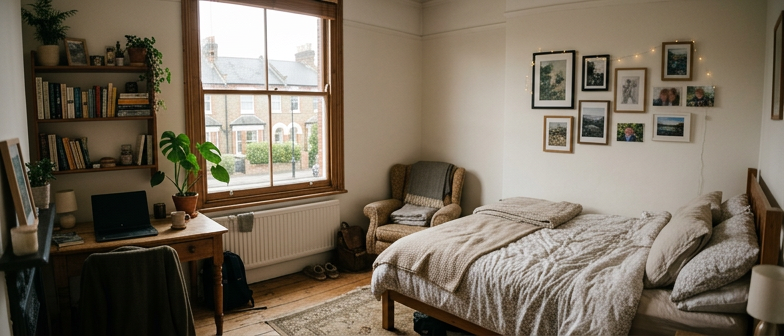
Typing a quick search into a map tends to shrink everything down to minutes and miles. Yet once teaching starts, the place you choose stops being a pin on a screen and quietly becomes the backdrop to almost every mood swing, late‑night essay and hung‑over morning. Walking time still matters, especially with early seminars and rainy days, but the real test hits the second you turn your key in the door. Do your shoulders drop, or tense back up again? Shifting from “closest bed to campus” to “place I can actually relax in” changes the whole hunt and usually lowers stress.
Different students want completely different versions of comfort. Some need silence so they can read for hours; others recharge by wandering into a living room full of flatmates and background chatter. Before diving into pages of listings, it helps to sketch out what “good enough” looks like in daily life: how much alone time you need, whether you cook properly or live on toast, how often you expect friends or partners to stay over. Once those basics are clear, room labels like “en‑suite”, “studio” or “cluster flat” stop being vague sales terms and turn into practical choices about noise, storage and kitchen politics.
Housing aimed at students is full of dreamy photos and buzzwords. In real life there is always a trade‑off: maybe the walk is a bit longer, the building older, or you share more than you imagined. Instead of chasing a flawless show‑flat, it helps to separate firm non‑negotiables from things you can slowly adapt to. For instance, you might refuse to compromise on basic safety, mould‑free walls and a door that locks properly, but accept dated décor or a slightly awkward layout. With that mindset, a lot of “average” places suddenly become strong contenders for a solid, liveable year.
Phrases like “short walk to uni” or “excellent transport links” sound comforting but can be vague. For a UK student, the difference between eight minutes on a well‑lit route and twenty minutes along a busy main road in the rain is huge. If an advert only says “close” without any sense of walking or bus time, it is worth checking a map with “door‑to‑door” in mind: front door to seminar room, lecture theatre or lab. Think about evenings too. Late buses, dim side streets or deserted shortcuts can turn a technically short journey into one you avoid after dark, which then shapes how often you use the library or join events.
“Modern” might mean anything from brand‑new fittings to simply having white walls and laminate flooring. The truly useful details are more specific: is there a decent desk, space for a proper chair, enough sockets, reliable broadband, and curtains that actually block light? “Fully furnished” in the UK can range from bed, wardrobe and desk to “we’ve thrown in a wobbly table”. Likewise, “bills included” can cover everything from heating and Wi‑Fi to only water and basic electricity. Asking what exactly is covered, and whether there is any fair‑usage limit, prevents nasty surprises when everyone starts running heaters in winter.
Buried in frequently asked questions and tenancy notes are the details that shape everyday life. Visitor rules affect whether friends can crash after a night out; cleaning arrangements decide how grim shared corridors become; laundry access can mean convenient machines downstairs or long walks to a pricey laundrette. Past students often leave reviews mentioning noise, mould or how responsive the landlord was when things broke. Rather than hunting for perfection, look for patterns: repeated complaints suggest ongoing problems, while multiple mentions of helpful staff or quick repairs hint at somewhere that may not be flashy but is easier to live in under pressure.
A headline price can look tempting until hidden extras stack up. In the UK it is common for separate payments on electricity, gas, water, broadband and contents insurance in private lets, while many dedicated student places wrap these into one. A slightly higher “all‑in” rent can end up steadier over the year, especially through cold spells when heating stays on for longer. On top of that come bus fares, train tickets or bike repairs. A cheaper flat half an hour away might eat enough travel money and time that the saving shrinks. Thinking in terms of total monthly outgoings, rather than just rent, gives a truer picture.
Imagine a triangle with affordability, distance and privacy at each corner. Few students can sit at the perfect middle, so work out which two corners matter most right now. If you have intense timetables, health needs or caring responsibilities, shorter travel might trump everything else. If you are juggling part‑time work and need quiet to study once you get home, privacy could come first. Knowing your priorities in advance stops you being dazzled by a pretty studio that quietly blows the budget, or a bargain room that leaves you commuting exhausted. It turns the decision from “Is this flat good?” to “Is this good for me?”
Privacy is not simply “sharing bad, living alone good”. Many UK setups mix elements: an en‑suite bedroom with a shared kitchen, a large house split into mini‑flats, or small independent places in converted buildings. For some, having a bedroom and bathroom to themselves is more than enough; they welcome bumping into others in a busy kitchen. For others, peace only arrives with their own front door and no flatmate traffic past their room. Instead of assuming the most private option is automatically best, try to picture late nights before exams, early alarms, phone calls home and how comfortable you would feel doing each in different layouts.
The quality of the people you live with usually beats the quality of the building. A slightly scruffy terrace in a student area can feel warm and supportive if your flatmates communicate and clean without drama. When choosing who to live with, ask about study patterns, part‑time jobs, nightlife, guests and noise in plain terms. Two friends who get on brilliantly in a bar may clash if one loves blasting music at 1 a.m. while the other starts shifts at dawn. It is less about judging each other and more about spotting whether everyday habits will collide.
A short, clear set of house agreements can prevent months of silent resentment. Many UK groups find it useful to cover chores, bathrooms, bins, shared cooking gear, guests and quiet hours. Written lists stuck on the fridge are less awkward than repeated nagging. Sharing out tasks fairly, rotating them and forgiving the occasional slip helps keep the place usable without turning into a boarding school. Money rules matter too: decide how to handle shared items like washing‑up liquid, loo roll and cleaning sprays, how you will track who owes what, and what happens if someone struggles to pay one month. Transparency is kinder than pretending problems do not exist.
Most UK rentals were not designed specifically for students, so a little rearranging can transform them. Bedrooms can double as quiet study spaces if desks sit near natural light and sockets. Shared living rooms can hold a cheap fold‑out table for group work, then turn back into a film‑night zone. Small touches like rugs, door draft excluders and thicker curtains make rooms feel warmer and muffle sound from busy roads or corridors. Agreeing that certain hours are quiet, or that headphones are used after a set time, is often enough to protect both sleep and friendships in a thin‑walled building.
How can I quickly compare different student flats near me without visiting in person?
Use virtual tours, floor plans, EPC ratings and Google Maps street view together, then cross-check reviews on Google and student forums to assess noise, safety and landlord responsiveness before booking viewings.
What should I prioritise when choosing affordable student accommodation near me?
Focus on total cost of living, not just rent: include bills, commute costs, laundry, furniture, council tax exemptions and internet. A slightly higher rent closer to campus can be cheaper overall.
Are flats to rent near me better value than purpose-built student accommodation?
Private flats can be cheaper per person in a group, but usually lack on-site security, reception and inclusive bills. PBSA offers convenience and social life; private rentals give more independence and flexibility.
What should I check before signing for a shared accommodation for students in London?
Confirm tenancy type, deposit protection, what’s included in the rent, length of contract, break clauses, HMO licence, and room sizes. Always get an inventory and ensure everyone on the contract understands joint liability.
How can I avoid scams when looking for student rental properties online?
Never pay cash or via money transfer, only pay after viewing or using trusted platforms, check the landlord or agent’s registration, beware of unrealistic prices, and insist on written contracts before sending deposits.