
x
Snow-packed roads, rising interest rates and shifting rebates can make shopping for a ride in Canada feel like a maze. Between icy‑season traction, long‑term repair risk and monthly payments, the smartest choice often comes from looking past mileage, trim and sticker tags alone.
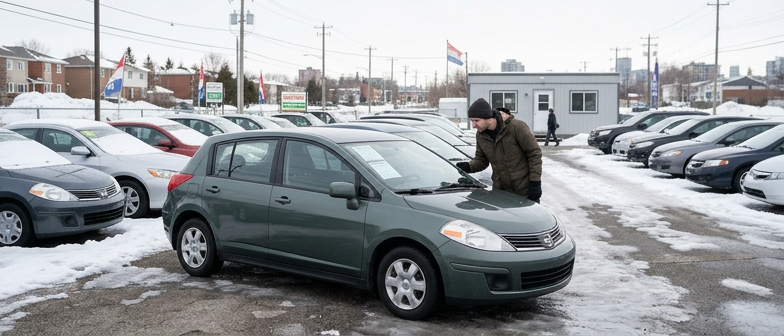
A low asking price feels like a win, especially when paycheques are tight and snow tires, insurance and fuel are already looming. Yet in a long‑winter climate, the bargain that only looks good on day one can become the priciest choice over a few seasons. Older engines that drink fuel, soft suspensions hammered by frost heaves, and rusty brakes from road salt all stack extra costs on top of that seemingly sweet deal. Add surprise repairs just after holiday bills or back‑to‑school expenses, and the budget strain is very real. Thinking in terms of total cost of ownership—purchase, financing, fuel or electricity, maintenance, tires and resale—usually exposes which “cheap” cars are just deferred headaches.
In Canadian conditions, the right vehicle is less about image and more about routine. Someone commuting a short distance across a well‑plowed city grid likely doesn’t need a heavy truck‑based SUV with off‑road hardware. A compact hatchback or small crossover with stability control and proper winter tires can feel secure, park easily and sip fuel. By contrast, a nurse on night shifts driving hilly rural roads may truly benefit from extra ground clearance, an effective all‑wheel‑drive system and strong headlights. Listing your weekly routes, average speeds, parking situation and how often you face unplowed side streets gives a clearer picture than any ad slogan. Winter capability should be sized to reality, not to fear or marketing.
Pre‑owned programs at dealerships usually inspect, recondition and warranty vehicles, then bundle financing in one stop. That peace of mind costs extra in the sticker, but can unlock better interest rates and easier approval, especially if your credit file is thin. Private listings often carry lower asking prices and zero added dealer fees, and may come with extras like winter wheels or roof racks. The trade‑off is risk: inspection quality varies, paperwork falls on you, and financing can be trickier. Many buyers blend the two worlds by getting an independent inspection on a private car, then arranging a loan with their bank or credit union instead of relying on in‑house dealer financing.
| Option type | Typical upsides | Common trade‑offs |
|---|---|---|
| Dealer certified stock | Structured inspections, some warranty, easier loans | Higher prices, added fees, less room to negotiate |
| Non‑certified dealer car | Wide selection, quick turnaround | Condition varies, interest rates often less friendly |
| Private seller listing | Lower prices, fewer fees, room to talk numbers | You manage checks, paperwork and loan arrangements |
Even when a dealer car looks costlier, a lower rate and basic warranty can narrow the gap after you add winter tires and likely repairs to a private listing. Running both scenarios through a loan calculator clarifies which path keeps more cash in your account over the full term.
In cold provinces, road salt is merciless. An older sedan that spent years parked outside may show clean paint and decent mileage but hide serious corrosion underneath. Frame rails, brake lines, suspension arms and fuel tanks can all quietly rot. When shopping, crouch down and look along the underside, wheel wells and door sills, or pay a mechanic to put the car on a hoist. A slightly newer model with similar mileage but better rust protection can be worth the premium. Remember that weld repairs, brake line replacement and structural rust work quickly eat up any savings from that tempting low price. “Rust free” is often more important than “low kilometres” in the salt belt.
Lenders see older vehicles as riskier collateral: they’re harder to resell and more likely to break. That often means higher interest rates than comparable new‑car loans. A small difference in rate or term length can quietly add thousands to what you pay overall, even if the monthly line looks manageable. Stretching a loan to keep payments low is tempting, but can leave you owing more than the car is worth once depreciation and wear catch up. Aligning the term with how long you realistically plan to keep the vehicle—often shorter for high‑mileage or older models—keeps you from paying off a car that is already struggling through big repairs.
Even modest moves can improve offers from banks, credit unions and dealer‑linked lenders. Paying down credit card balances, avoiding new borrowing and making every bill on time for a few months can nudge your score into a friendlier bracket. Getting pre‑approved before walking onto a lot sets a clear ceiling and gives you leverage when a finance manager pitches longer terms or add‑ons. Use an online loan calculator with Canadian assumptions—taxes, typical fees and realistic rates—to test different combinations of down payment, term length and price. Seeing the lifetime interest number beside each scenario often encourages buyers to choose a slightly cheaper vehicle or shorter term that fits their income more safely.
| Loan choice | What feels easy now | What it can mean later |
|---|---|---|
| Long term, small payment | Comfortable monthly bill, nicer vehicle | Higher total interest, harder to sell or trade |
| Short term, larger payment | Faster payoff, less interest | Tighter cash flow, may reduce trim options |
| Bigger down payment | Smaller loan, better approval odds | More savings needed upfront |
| Smaller down payment | Easier to start, keeps cash on hand | Higher rate risk, longer time “underwater” |
Looking at this type of trade‑off on paper helps anchor decisions in numbers rather than emotion, especially when a salesperson is steering the conversation toward monthly payment alone.
In icy conditions from coast to coast, the single biggest safety upgrade is often a proper set of winter tires. A modest front‑wheel‑drive hatchback on good snow rubber usually stops and turns with more confidence than a heavy sport‑utility vehicle running worn all‑seasons. When planning a purchase, treat a quality winter set as part of the entry ticket, not a luxury. Check tread depth, age, and whether the rubber compound is truly winter‑rated. Combine that with stability control, anti‑lock brakes and a sensible driving style, and many drivers find they can safely skip the cost and complexity of all‑wheel drive for mostly urban use.
SUVs and crossovers do offer real advantages in particular Canadian scenarios. Families juggling car seats, strollers and hockey bags appreciate the extra cargo height. People whose jobs take them onto unplowed back roads or steep driveways welcome extra ground clearance and a rear axle that actually helps push the vehicle uphill. Some models add drive modes tuned for snow and ice that soften throttle response and bias torque where grip exists. The question is whether those strengths matter often enough in your life to offset higher fuel use, bigger tire costs and sometimes steeper insurance. For many households, a well‑chosen compact or mid‑size SUV strikes a better balance than oversized rigs built to tow and haul much more than they ever will.
Cold‑climate driving is exhausting if you are constantly shivering or fighting fogged glass. Quick‑warming heaters, heated mirrors, rear defrosters that cover the full window, and clear, bright headlights have more day‑to‑day impact than flashy trim packages. Large door openings and upright seating help when climbing in wearing bulky coats or dealing with child seats. Features like remote start, heated steering wheels and wiper de‑icing zones won’t appear on every budget‑minded car, but are worth seeking if you can afford them, especially in regions with long stretches of sub‑zero mornings. When comparing similar vehicles, ask which of these winter‑friendly touches are present rather than focusing only on touchscreen size or cosmetic upgrades.
Older gasoline cars are everywhere and generally cheapest to buy, making them attractive to students, new Canadians and anyone recovering from financial setbacks. Yet rising fuel prices and frequent maintenance can erode that advantage. Efficient hybrids and smaller battery‑electric vehicles flip the equation: higher purchase cost, but noticeably lower running costs once you plug in at home or sip fuel sparingly. In many regions, incentives or rebates for cleaner options nudge that upfront difference closer, especially when paired with low‑rate financing. Comparing three or four winters’ worth of fuel or electricity costs against the extra you would borrow often reveals that a slightly more expensive efficient car can fit the same budget with fewer surprises.
Programs that lower purchase price or interest on efficient vehicles change regularly, but the strategy to use them stays similar. Treat any rebate or discount as a way to buy the car you already needed more safely, not an excuse to overspend on size or luxury. Combine the incentive with a down payment you can realistically save and a loan term that ends before the vehicle feels worn out. Online loan calculators calibrated for Canadian taxes and rate ranges let you plug in different incentive amounts, terms and prices to see how much room you actually have. Adjust the numbers until you land on a monthly payment that still leaves space for winter tires, occasional repairs and the rest of life’s surprises.
How can I quickly find used cars for sale under $10,000 near me in Canada without wasting time on bad listings?
Use filters on Canadian marketplaces (price, radius, accident history), sort by newest, then cross‑check VINs with Carfax Canada and provincial lien searches to avoid rebuilt, salvage, or lien‑encumbered vehicles.
What should I look for when comparing the best AWD cars for sale in Ontario for year‑round driving?
Prioritize ground clearance, rust protection, stability control, winter tire compatibility, and proven AWD systems; in Ontario’s climate, check underbody rust and service records, especially for differentials and transfer cases.
Are certified pre-owned cars for sale at dealerships in Canada really worth the premium price?
They often are if you value reduced risk: CPO cars add factory-backed warranties, stricter inspections, and sometimes lower interest rates, which can offset the higher upfront price versus regular used inventory.
What financing options for buying used cars in Canada are best if I have limited credit history?
Consider credit‑union loans, manufacturer‑backed used financing, and pre‑approved online lenders; bring proof of income, lower your loan amount with a larger down payment, and avoid long terms that create negative equity.
How can I calculate car loan payments with a Canada loan calculator and avoid overextending my budget?
Input price, down payment, rate, and term, then add taxes and estimated fees; adjust term until monthly payments stay below roughly 10–15% of your take‑home pay, leaving room for insurance, fuel, and maintenance.