
x
Rubbish trucks, sorting lines and safety vests are only the surface of a sector that quietly keeps towns and cities running. Behind every bin collected lies a growing workforce of planners, technicians and analysts tackling climate goals and resource scarcity. For anyone seeking meaningful work with solid prospects, this overlooked world is worth a closer look.
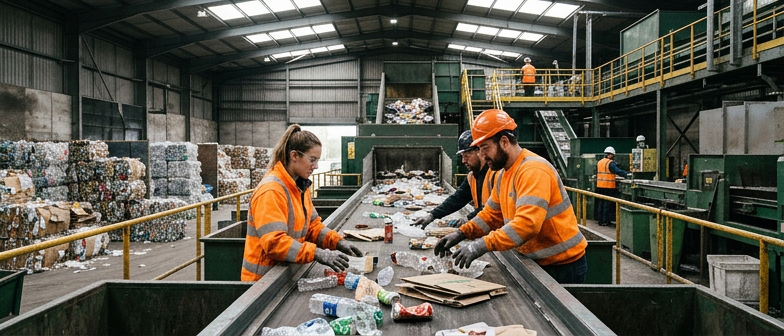
From the outside, roles in this field can look like just trucks, bins and noisy facilities. Inside, the picture is more layered, stretching from hands‑on sorting lines to meeting rooms where long‑term plans get drawn up.
On the operations side, work is physical and routine driven. Collection drivers, equipment operators and sorting line workers keep material moving. Shifts often start early, the environment can be dusty or noisy, and safety rules are non‑negotiable. These roles give a front‑row view of what people actually throw away.
Further along the chain, technicians, supervisors and facility managers focus on keeping plants efficient and compliant. They track contamination levels, equipment downtime and material flows, and they deal with inspections and permits. This is where fundamentals of the sector turn into daily decisions: which materials to accept, how to sort them and where to send them next.
At the more strategic level, the work shifts from steel‑toed boots to laptops and notes. Sustainability coordinators, compliance specialists and environmental advisers design collection programs, plan new facilities and interpret regulations. Instead of asking “How do we clear today’s pile?” they ask “How do we cut this pile in half over the next few years?” These roles compare service models, analyse costs and emissions, and work with local communities to balance expectations and budgets.
Across all of these jobs, some features repeat: problem‑solving, resilience and a comfort with mess and change. People who enjoy concrete results, do not mind complexity and care about practical environmental impact usually feel at home in this mix of sorting lines and strategy rooms.
Different positions share the same underlying mission: keeping people safe, protecting the environment and making better use of materials. The daily focus, skills and growth potential still differ between typical entry points.
Recycling technicians work on the sorting and processing side. Their day revolves around identifying materials, operating equipment and hitting quality and recovery targets. It is hands‑on and fast‑paced, with sensors, automated lines, contamination checks and safety procedures all part of the job. This role can be a solid entry point, with many technicians moving into team lead or plant coordinator positions once they understand operations.
Collection roles lean toward logistics and public service: safe vehicle operation, route planning, communicating with residents or businesses and following strict safety and handling rules. The work is physical, but hourly pay can be competitive, especially as experience grows and drivers take on more complex routes or mentoring duties.
Environmental consultants sit at the more analytical and strategic end. Instead of driving routes or running sorting lines, they review regulations, design material recovery programs and support audits or reporting for clients. Many come from environmental science or engineering backgrounds and may hold specialist certifications for handling higher‑risk materials. Positions close to consulting or account management responsibilities often reach higher income levels, reflecting the weight of compliance, risk and client expectations.
A simple way to picture the contrast is to look at where time and energy are spent:
| Role type | Main daily focus | Typical work setting | Common next steps |
|---|---|---|---|
| Sorting / technician | Running equipment, checking quality, safety tasks | Processing plants or depots | Team leader, shift supervisor, coordinator |
| Collection / driving | Routes, customer contact, safe handling | On the road, depots, streets | Senior driver, trainer, route supervisor |
| Advisory / consulting | Analysis, reporting, program design | Offices, client sites | Senior consultant, project or account lead |
Choosing between these paths comes down to where you want your effort to go: operating equipment, serving on the front line in collection, or shaping systems and strategy from an advisory seat. All three contribute to cleaner, safer communities and offer room to grow if you keep building skills and certifications.
Finding work that feels right starts with two questions: what can you do, and what do you care about most?
Start by listing what you are good at and what you enjoy. If you like practical, hands‑on tasks and do not mind physical work, roles like technician or collection driver can fit. Both focus on routines, teamwork and safety. A school diploma and on‑the‑job training may be enough to start, and a driving licence plus some experience opens driving roles.
If you prefer analysis, policy or planning, look at consultant or specialist roles. These usually need a degree and sometimes a certification, but they can bring higher salaries and faster growth once you build expertise. People often move from entry‑level site work into more specialised roles after they understand how facilities run and how regulations are applied in practice.
Values matter just as much. Maybe you care most about climate impact, or you want to work directly with local communities. Use those priorities as filters when scanning job boards and company pages. Pay attention to how employers talk about training, promotion paths and community engagement.
Once you have a sense of your skills and values, you can be more selective and focused:
| Personal priority | What to look for in postings | Questions to ask in interviews |
|---|---|---|
| Stable, hands‑on work | Clear shifts, training on equipment, safety focus | How is safety training handled and refreshed? |
| Fast career progression | Mention of promotion paths or internal mobility | How have others progressed from this role? |
| Strong environmental impact | References to material recovery, emissions, education | How is impact measured and shared with staff? |
| Working with local communities | Public‑facing programs, outreach or education elements | How often do staff interact with residents or clients? |
When you find a posting, read beyond the buzzwords. Check daily tasks, shift patterns and safety culture. Tailor your resume to highlight transferable skills such as operating equipment, data tracking, customer service or incident reporting. In conversations with hiring managers, ask about training, certifications they support and how people typically progress. A role that matches both your skills and values is more likely to become a long‑term, meaningful career.
From an outside view, careers in this sector can look like one straight line: start as a driver, retire as a manager. In reality, paths are more flexible.
A common route starts with hands‑on roles. Refuse collectors and recycling specialists learn routes, materials and safety on the ground. Some move into equipment operator roles, handling vehicles at transfer stations or similar facilities. Others shift indoors as accounts assistants or coordinators, using their field knowledge to deal with customers and billing.
With experience and extra training, doors open into more technical or analytical work. Chemists, process specialists and compliance officers develop methods to handle materials safely and legally. From there, or from operational leadership roles, people step into consultant positions, advising organisations on regulations, collection systems and long‑term sustainability plans. The move is rarely overnight; it usually comes from stacking skills slowly: safety, compliance, data and then strategy.
Across these stages, a few best practices help:
Two traps show up again and again. One is treating the job as “just driving” or “just lifting bins” and skipping safety refreshers or certifications. That choice caps pay, narrows options and raises the risk of injury. The other is ignoring how quickly tools are changing, from cleaner vehicles to more sophisticated tracking and monitoring systems.
To stay relevant, think one step ahead of your current role. If you are on a truck, learn about contamination, diversion rates and basic data recording. If you are in the office, build a working understanding of site operations so your decisions stay grounded in reality. Across all roles, a basic grasp of regulations, recycling markets and simple data analysis makes it easier to move into supervisor, coordinator or consulting positions as the sector keeps growing and evolving.
Seen from up close, working in this world is less about “trash” and more about managing resources wisely. For people who like tangible results, steady demand and the chance to shape how communities deal with waste and materials, it can become a rich and durable career.
How can I quickly find reliable recycling jobs near me or other waste management jobs near me?
Start by combining large job boards with location filters and niche platforms focused on Recycling Jobs Near Me and Waste Management Jobs Near Me. Add alerts for “Recycling Technician Jobs” and “Waste Collection Jobs” within a set radius, and check municipal, university and hospital career pages, which often outsource or directly hire for waste roles.
What are the main types of waste management careers available today?
Waste Management Careers now span field work, plant operations and office‑based strategy. You will see Waste Collection Jobs, Recycling Technician Jobs, drivers and maintenance roles, but also Environmental Consultant Jobs, data analysts, compliance officers and sustainability coordinators. Many employers design internal ladders so frontline experience can lead to supervisory or advisory positions.
How to find recycling jobs if I do not have direct industry experience?
When asking How To Find Recycling Jobs without experience, focus on transferable skills like equipment operation, customer service, data entry or health‑and‑safety awareness. Target entry‑level Recycling Technician Jobs and Waste Collection Jobs, highlight licences and certifications, then use volunteering or short courses in environmental management to strengthen your profile and interview story.
Which employers are considered the best companies for waste jobs?
The Best Companies For Waste Jobs typically combine strong safety records, modern facilities and clear promotion paths. Look at large integrated waste firms, regional recycling operators and infrastructure consultancies offering Environmental Consultant Jobs. Review independent safety statistics, staff reviews and training policies, rather than only salaries, when comparing offers in Recycling Jobs Near Me searches.
What skills are most valued in environmental consultant jobs and related waste roles?
Environmental Consultant Jobs in this sector value regulatory knowledge, life‑cycle thinking, data analysis and confident communication with clients or regulators. For Recycling Technician Jobs and Waste Collection Jobs, employers prioritise reliability, safety focus and basic technical aptitude. Building competence with reporting tools and environmental standards helps you transition from operational Waste Management Jobs Near Me into higher‑level advisory work.