
x
Sticker-shock listings, stalled job offers, and half-empty towers now coexist in the same neighborhoods, leaving renters wondering who actually has the upper hand. As new units flood the market while incomes strain, choosing where—and when—to move has become a high-stakes puzzle with shifting, city-by-city rules.
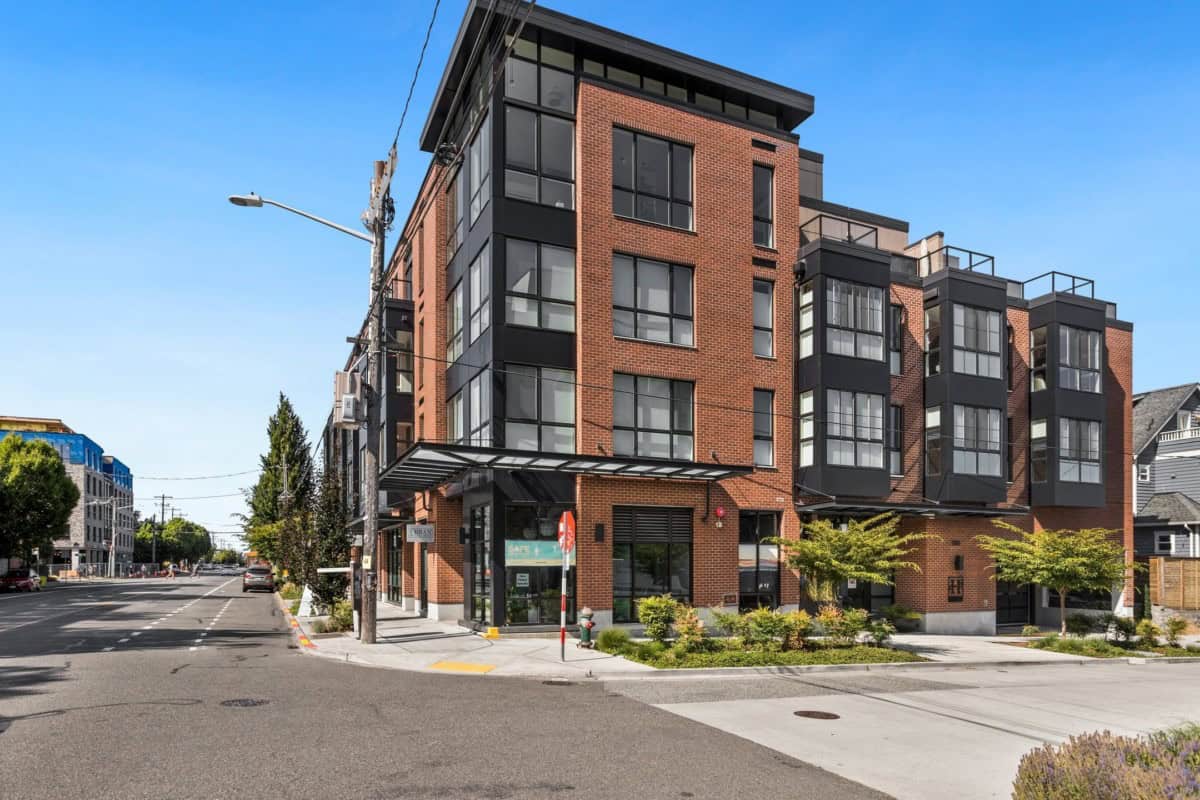
When headlines scream about rising vacancy rates, it is natural to expect a plummet in monthly housing costs. However, the current housing landscape in the United States is defying this traditional economic logic. While the sheer number of available units has reached multi-year highs in many metropolitan areas due to a surge in construction, asking rents have only softened slightly rather than dropping off a cliff. This creates a confusing "stalemate" for anyone browsing listing sites.
The primary driver behind this rigidity is the soaring cost of operating a building. Landlords and property management firms are grappling with inflated prices for maintenance, insurance, and property taxes. Furthermore, many commercial loans are tied to the building's valuation, which is often calculated based on rental income potential. If a landlord lowers the base rent across the board, the asset value of the building decreases, potentially putting their financing at risk. Consequently, even with empty units, owners are hesitant to engage in a price war. They prefer to endure a "stiff" market with vacancies rather than devalue their property by officially lowering the rent roll. This results in a market that feels disjointed: availability is high, yet the dramatic price relief tenants are waiting for simply hasn't materialized in the sticker price.
Since property managers are reluctant to lower the official monthly rent, they have turned to a different strategy to attract tenants: concessions. This is the era of the "invisible discount." Instead of dropping a unit from $2,500 to $2,300, a leasing office is far more likely to offer "one month free" on a 13-month lease or waive the security deposit and amenity fees.
This strategy allows the landlord to maintain the "face rent"—the number that appears on the lease and supports the building's financial valuation—while reducing the "net effective rent" for the tenant. For a renter, this requires a shift in how costs are calculated. You might scroll past a building because the monthly price looks unchanged from last year, missing the fact that the total annual cost is significantly lower due to these incentives. Additionally, the type of vacancy matters. The market is currently flooded with luxury, high-end units and compact studios aimed at urban professionals. Conversely, affordable mid-sized units or family-oriented spaces remain in short supply. This creates a mismatch where statistical vacancy is high, but competition for budget-friendly, practical apartments remains fierce.
| Feature | Face Rent Reduction | Lease Concessions |
|---|---|---|
| What it is | The landlord lowers the monthly asking price (e.g., $2000 $\rightarrow$ $1800). | The landlord keeps the price but adds perks (e.g., 6 weeks free). |
| Landlord Motivation | Rare; permanently lowers potential revenue and asset value. | Preferred; temporary incentive that preserves long-term property value. |
| Tenant Benefit | Lower monthly recurring payments. | Lower total annual cost, though monthly checks remain high after free period. |
| Impact on Renewal | Lease renewal is usually based on the lower rate. | Renewal is often based on the higher "face rent," risking a hike later. |
For the single renter, the current market presents a difficult calculus involving privacy, space, and financial health. The desire for a sanctuary—a place to decompress from the grind of work without the interference of roommates—is a fundamental need for many. However, the premium placed on solitude has never been higher. In many urban centers, securing a private one-bedroom apartment often requires compromising significantly on other factors, such as accepting an older building with fewer amenities or moving to a location far from transit hubs.
The psychological value of privacy cannot be overstated. While "doubling up" in a shared house is the most effective way to slash costs, for those who require total solitude to recharge, the mental toll of shared living can outweigh the financial savings. Yet, adhering strictly to the rule that rent should not exceed 30% of one's income is becoming increasingly difficult for solo dwellers. This forces a hard decision: does one pay a premium for a modern, efficient micro-studio, or sacrifice condition and location for square footage?
With new inventory skewing toward "luxury" price points, the middle ground is vanishing. Renters are finding that even though supply is up, the specific type of supply—affordable, modest single-occupancy units—is not what is being built. This forces a strategic evaluation of lifestyle priorities. Is a walk-in closet and a gym in the building worth the extra $400 a month, or is a basic unit with just "a bed and storage" sufficient if it preserves the budget for travel and savings?
Smart renters know that the price tag is just the starting point; the real story lies in market behavior. One of the most critical indicators to watch is the "Days on Market" (DOM). If you notice that listings in a specific neighborhood are lingering for weeks rather than days, or if you see the same unit reposted repeatedly, the leverage has shifted to the tenant. A high inventory of stagnant listings signals that the area is softening, and landlords are likely anxious to fill units to stop the bleeding of lost revenue.
Another factor is the "construction shadow." If a neighborhood has three new high-rises opening simultaneously, the older buildings nearby are under immense pressure to compete. This specific window—when new supply hits but hasn't yet been absorbed—is the golden hour for finding a deal. It allows prospective tenants to take their time. The frantic "sign today or lose it" pressure of previous years has dissipated in many regions, allowing for a more deliberate, comparative search process where you can tour multiple properties without fear of them vanishing instantly.
When you have identified a potential home, how you ask for a deal is just as important as what you ask for. Direct haggling over the monthly rent can sometimes result in a hard "no" because of the asset valuation issues mentioned earlier. Instead, savvy renters should focus on "micro-negotiations"—targeting the ancillary costs that landlords have more flexibility to waive.
If a building has vacancies, the property manager wants you to sign. While they may not drop the rent by $100, they might be willing to waive the $500 pet fee, offer free parking for a year, or extend the move-in grace period so you aren't paying double rent during your transition. These "non-rent" victories lower your actual cost of living without forcing the landlord to alter the official lease rate. Furthermore, pay attention to seasonality. Recent trends show that the traditional winter price dip is becoming more pronounced, while the spring peak is shifting earlier. Being flexible with your lease start date or offering to sign a slightly longer lease (e.g., 15 months to push renewal into a clearer season) can be a powerful bargaining chip.
| Negotiation Lever | When to Use It | Likelihood of Success |
|---|---|---|
| Lower Base Rent | High vacancy buildings; older units competing with new builds. | Low to Moderate (Owners resist devaluing the property). |
| Waived Initial Fees | New developments; buildings with strict application/admin fees. | High (Easy "one-time" write-off for managers). |
| Parking/Pet Perks | Buildings with underutilized garages; pet-friendly complexes. | High (Low marginal cost to the landlord). |
| Flexible Lease Start | When the unit has been empty for 30+ days. | Very High (Landlord wants revenue to start ASAP). |
How can I quickly find single-person apartments near me that match my budget and lifestyle?
Use map-based search on top rental platforms, set filters for price, size, commute time, and pet policy, then schedule multiple showings in one day and prepare documents in advance to apply on the spot.
What are the main hidden apartment rental costs I should plan for beyond monthly rent?
Besides rent, budget for application fees, deposits, renters insurance, utilities, parking, amenity fees, and potential move-in or elevator fees, which can collectively add a significant upfront and ongoing cost.
Which are the best rental platforms in the U.S. for a new apartment search, and how should I use them wisely?
Combine major listing sites, local property management pages, and neighborhood Facebook groups, verify listings against Google Maps and county records, and never send money before an in-person or verified virtual tour.
What can I do to rent out my apartment fast without underpricing it?
Price based on recent comparable rentals, upload high-quality photos and a video walkthrough, allow self-tours or flexible showings, respond to inquiries quickly, and offer small move-in incentives with longer lease terms.
What lease terms should single-person renters pay special attention to in apartment leasing contracts?
Review clauses on early termination, rent increases, guest and subletting rules, maintenance responsibilities, renewal notice periods, and fees for pets, parking, and amenities, and get all verbal promises added in writing.