
x
Wide porches, compact balconies, and backyard decks are all being transformed by a new generation of rockers that blend sleek engineering with nostalgic comfort. Weather‑tough composites, cushioned silhouettes, and travel‑friendly frames are reshaping how people unwind outside, from sunrise coffee rituals to star‑soaked evenings.
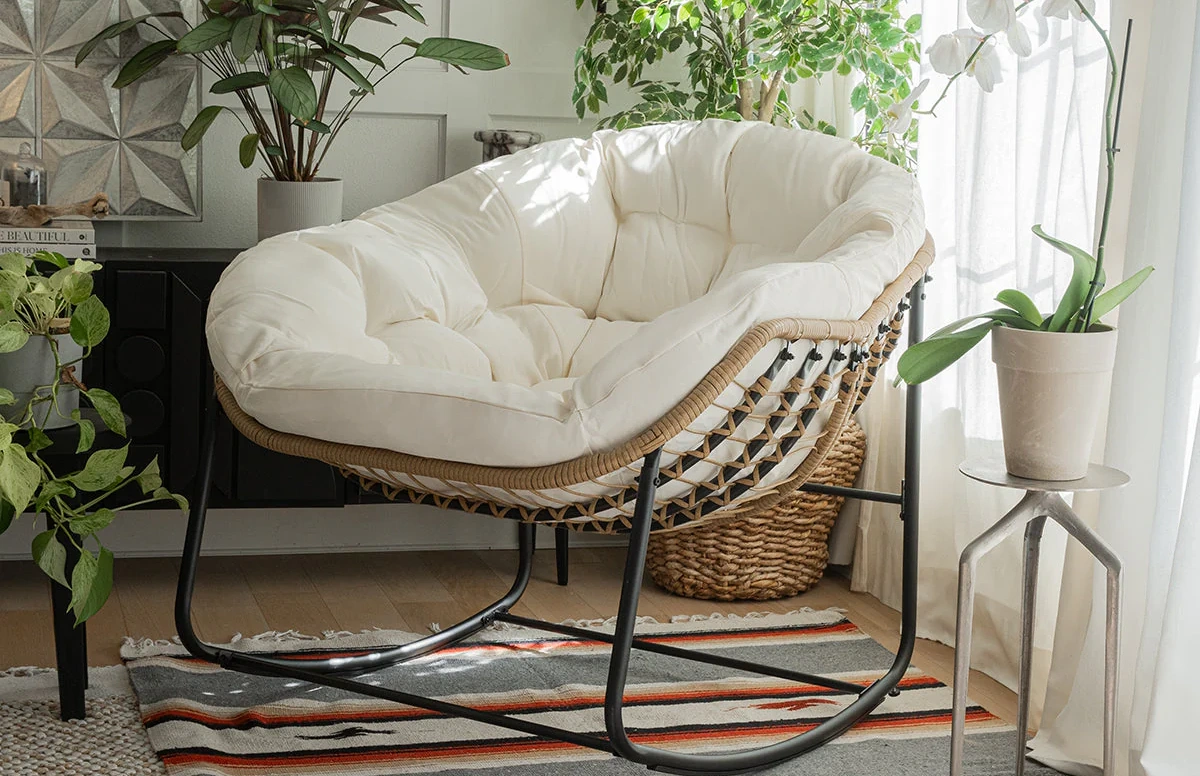
The rhythmic motion of a rocking chair does more than just soothe the mind; it taps into a primal instinct for comfort, signaling safety to the brain much like being cradled as an infant. While this relaxation is amplified by fresh air and the sounds of nature, the vessel for this experience has undergone a significant transformation. Traditional wooden rockers, while aesthetically charming, often succumb to the harsh realities of the Canadian climate. Rot from rain, cracking from UV exposure, and the constant need for varnishing can turn a place of rest into a source of labor. This has paved the way for the adoption of high-density synthetic resins, a material class that mimics the visual warmth of natural timber without the biological vulnerabilities.
These advanced composite materials, often derived from recycled high-density polyethylene (HDPE), offer a heavy-duty solution that stands apart from flimsy plastics of the past. The color is integrated throughout the material rather than painted on, meaning that even under intense sunlight, the finish remains vibrant and resists chipping. Unlike wood, these composites do not absorb moisture, which prevents the swelling and shrinking cycles that typically loosen joints over time. This stability ensures that the chair retains its structural integrity through humid summers and freezing winters. Furthermore, the non-porous surface means that spilled drinks or rain showers can be simply wiped away, making these chairs immediately usable after a storm and safe for families, as they never splinter or crack.
| Feature | Traditional Timber | High-Density Composite |
|---|---|---|
| Moisture Reaction | Absorbs water; prone to swelling, rot, and mold | Non-porous; repels water and prevents internal damage |
| Maintenance Level | High; requires annual sanding, sealing, or painting | Low; simple cleaning with soap and water |
| Surface Texture | Natural grain; risk of splinters over time | Engineered grain texture; smooth and splinter-free |
| UV Resistance | Paint/stain fades and peels with exposure | UV-inhibitors embedded in material; minimal fading |
| Weight & Stability | Varies; can become unstable if joints loosen | Heavy and substantial; resistant to wind gusts |
As outdoor living spaces become extensions of our living rooms, the expectation for seating comfort has risen dramatically. Gone are the days of rigid, straight-backed chairs that force the spine into unnatural positions. Contemporary designs are heavily influenced by ergonomic science, featuring backrests with gentle contours that mirror the natural S-curve of the human spine. This support allows for prolonged periods of sitting without developing lower back tension, turning the patio into a viable space for reading, working, or napping.
The evolution of the seat pan is equally important. Modern rockers often feature a "waterfall" edge—a seat front that curves downward—which reduces pressure on the back of the thighs. This subtle design choice maintains healthy circulation to the legs, preventing the numbness or fatigue often associated with older garden furniture. Beyond the seat itself, functional elements like armrests have been reimagined. Wide, flat armrests are now standard on many premium models, serving a dual purpose: they provide substantial support for the arms to reduce shoulder strain, and they act as convenient side tables for beverages or smartphones, eliminating the need for extra furniture in tight spaces.
Comfort is not solely defined by the frame; the tactile experience of the cushioning plays a massive role. There is a common misconception that outdoor cushions are destined to become soggy and mildew-ridden. However, textile technology has advanced to produce high-performance foams and fabrics that defy the elements. Quick-drying reticulated foam is now commonly used, allowing water to pass through the cushion rather than getting trapped inside, which significantly reduces drying time after a downpour.
Covering these high-tech cores are solution-dyed acrylics and advanced polyester blends that offer the softness of indoor upholstery with the toughness of industrial canvas. These fabrics are engineered to be hydrophobic and resistant to UV fading, ensuring that vibrant patterns and deep hues remain true even after seasons of exposure. Maintenance has also been simplified; many modern cushions feature removable covers that are machine washable, or simply require a wipe-down with a mild cleaning solution. This combination of plush comfort and rugged durability encourages users to view their outdoor spaces as genuine retreats rather than temporary seating areas.
For urban dwellers with limited outdoor square footage, such as apartment balconies or small patios, space efficiency is paramount. The market has responded with rockers designed specifically for compact footprints. Unlike traditional rockers that require significant clearance for the arc of the runners, modern glider mechanisms and vertical rocking frames allow for a soothing motion within a confined area. Visually, these pieces often utilize neutral palettes like slate grey, charcoal, or matte black to blend seamlessly with building exteriors, preventing the space from feeling cluttered or visually overwhelmed.
Storage capability is another key innovation for smaller spaces. Many contemporary rockers are designed with collapsible frames that maintain robust stability when open but fold down to a fraction of their size for storage. This "fold-and-stow" functionality allows residents to reclaim their balcony space for other activities when the chair is not in use. Despite their foldability, these chairs do not compromise on strength, often utilizing reinforced locking mechanisms that support a wide range of body types securely.
The desire for comfort extends beyond the backyard to campsites, cottages, and beach trips. The "portable rocker" category has exploded, offering travelers a way to bring living-room luxury into the wild. These chairs utilize lightweight but durable metal alloys for their frames, making them easy to carry from the car to the campfire. A critical innovation in this segment is the suspension-based rocking mechanism. Traditional curved rockers struggle on uneven ground like gravel, sand, or dirt. However, new portable models often feature a static base with a suspended seat that swings smoothly regardless of the terrain beneath.
Another popular variation for the adventurous soul is the hanging hammock chair. Suspended from a sturdy branch or a portable stand, these fabric-based rockers offer a floating sensation that is distinct from traditional rocking. They pack down into small carry bags, making them ideal for road trips. Whether it is a spring-action chair on a rocky shoreline or a canvas pod suspended in the trees, the ability to pack up comfort and take it anywhere has become a defining feature of modern outdoor leisure equipment.
| User Scenario | Recommended Chair Type | Key Benefit |
|---|---|---|
| Condo Balcony | Compact Folding Glider | Vertical rocking motion requires minimal floor space; easy to store off-season. |
| Cottage Dock | Heavy-Duty Composite Rocker | withstands high humidity and splashes; heavy enough not to blow into the water. |
| RV / Camping | Portable Piston-Rocking Chair | "All-terrain" rocking mechanism works on uneven ground; folds flat for transport. |
| Large Patio | Oversized Deep-Seating Rocker | Wide armrests and plush cushions provide a luxury lounge experience for long durations. |
Even the most durable "weather-proof" furniture benefits from basic care to extend its lifespan and aesthetic appeal. For synthetic and composite rockers, maintenance is refreshingly simple. A seasonal wash with a soft sponge, warm water, and a mild detergent is usually sufficient to remove pollen, dust, and environmental grime. High-pressure washers are generally unnecessary and can sometimes damage the surface finish, so a garden hose is the preferred tool. For those who prefer the look of natural wood, the regimen involves a bit more attention, such as ensuring the wood dries completely after cleaning and applying a protective oil or sealant annually to repel moisture and UV rays.
Mechanical maintenance is a specific requirement for rocking chairs that is often overlooked. Because the furniture is constantly in motion, screws, bolts, and connecting hardware can gradually loosen. A quick check at the start and end of the season to tighten hardware can prevent wobbling and eliminate squeaks. If the rocking mechanism begins to make noise, a small application of silicone-based lubricant to the moving parts usually restores silence. Finally, while modern materials can withstand winter, covering furniture or storing it indoors (in a garage or shed) during the harshest months is the gold standard for preservation. This protects the finish from the abrasive effects of ice and snow, ensuring the chair looks brand new when the first warm days of spring arrive.
How are the latest 2026 modern outdoor rocking chairs different from traditional models?
Modern designs use clean lines, hidden fasteners, Polywood or composite slats, quieter rocking mechanisms, and often integrate features like cup holders, phone slots, and quick‑dry cushions suited to unpredictable Canadian weather.
Are the new storm‑resistant, all‑weather outdoor rockers really better for Canada’s climate?
Yes, full‑weatherproof rockers resist snow, rain, and freeze‑thaw cycles, won’t rot or rust, and need only occasional soap‑and‑water cleaning, making them ideal for decks, lakeside cottages, and coastal regions.
Who benefits most from oversized and new portable outdoor rocking chairs in 2026?
Oversized rockers suit taller or plus‑size users and cozy blanket seating, while portable folding rockers work well for camping, RV trips, kids’ sports, and condo balconies where storage and weight matter.