
x
You’re already spending nights exploring new releases on your phone, console, or PC—but what if that same time actually paid? Behind every smooth launch sits an army of detail‑obsessed players hunting glitches, writing clear feedback, and quietly shaping the games everyone else eventually enjoys.
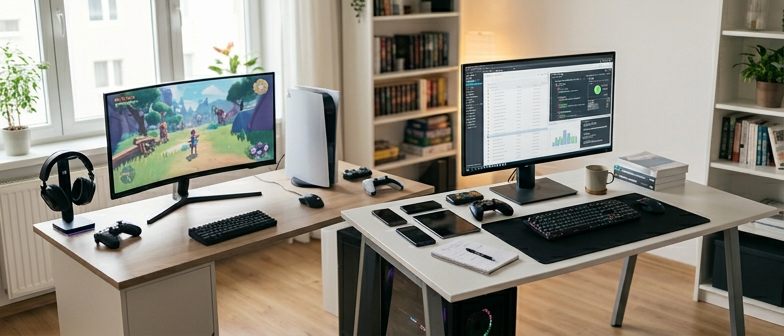
Relaxed play is about fun, progress, and maybe bragging rights; professional testing is about hunting flaws on purpose. Instead of asking “Am I enjoying this level?” the question becomes “What exactly breaks if I push this system too far?” That mindset shift is huge. You intentionally stress menus, mash inputs, open every corner of the map, and try weird combinations that normal players rarely attempt. Fun still appears, but it is no longer the main goal; reliable bug discovery is.
At home, real work follows plans and checklists, not moods. A lead or platform hands out tasks: which build to install, what device to use, which quests or screens to cover, and how long to spend on each. You might replay the same mission with different languages, resolutions, controllers, or network conditions, logging every unexpected result. Much of the day is repetition: re‑launch, re‑try, re‑confirm. That rhythm can be dull for some, but detail‑oriented people often find satisfaction in turning chaos into clean reports.
Even when you never step into an office, testing is collaborative. Instructions arrive through project tools, feedback is shared in chats, and issues are tracked in bug databases. You describe problems respectfully, attach screenshots or videos, answer follow‑up questions, and accept when certain bugs are postponed. Clear, blame‑free language is essential: “On this screen, pressing here after doing X and Y closes the app” lands better than “Your game is broken.” Good communicators quickly become trusted regulars, even as beginners.
Entry‑level roles rarely demand elite gameplay skill. More important are curiosity, patience, and consistency. Curious testers poke at every submenu, try odd character builds, and question strange behavior. Patience shows when you reproduce the same issue twenty times to confirm what really triggers it. Consistency means showing up when scheduled, following instructions closely, and formatting reports the way the team expects. None of that requires a tech degree; it does require treating the work seriously.
Everyday player habits already hint at test potential. If you instinctively notice off‑beat sound effects, clipping textures, mistranslated text, or unbalanced encounters, you’re halfway there. The upgrade is learning to capture those observations in structured form: where you were, what you did, what you expected, and what happened instead. Long experience in co‑op voice chat or forums also helps; arguing about balance or design decisions trains you to explain impact on player experience, not just complain.
A strong bug report reads like simple instructions anyone can follow. It includes a clear title, environment (device, platform, version), numbered reproduction steps, expected result, actual result, and supporting media. Instead of “shop freezes sometimes,” you’d write something like: “From main menu, open shop, quickly scroll to last item, tap purchase twice, screen becomes unresponsive while music continues.” That difference turns vague frustration into something a programmer can reliably investigate and fix.
Here’s how typical beginner skills map into testing value:
| Everyday habit or trait | How it helps in game QA from home |
| Notices tiny visual or audio quirks | Leads to catching cosmetic issues before launch |
| Enjoys grinding achievements | Makes repetitive test passes less mentally draining |
| Writes long chat messages or posts | Converts easily into clear, structured bug descriptions |
| Tries every build or weapon | Improves coverage of edge‑case scenarios other players ignore |
Before landing work, you can train on any title you play. Pick one game and treat an hour like a formal session. Focus on a specific slice: tutorial, settings menu, or one map. Write notes whenever something feels off: timing, layout, readability, difficulty spikes, crashes. Format those notes like bug tickets with steps, expected and actual results. After a few sessions, you’ll have a small collection of “practice bugs” that shows you understand structure, not just vibes.
Early access releases, test servers, and preview builds are gold for beginners. They often invite players to stress new content and provide impressions. Instead of sending quick “lol this is broken” messages, behave as if you’re already hired: track device info, connection type, and build identifiers; write formal‑style feedback; keep your own changelog. Those emails, forum posts, or survey answers can later be referenced as examples of serious participation, even if no one paid you yet.
A beginner‑friendly portfolio doesn’t need design flair or fancy hosting. A short document or page with three pieces is enough: a brief profile explaining your platforms and favorite genres, several example bug reports from your practice sessions or betas, and a short description of any structured feedback you have submitted. The point is to prove you can think like a tester: methodical, observant, and respectful. Many junior roles care more about this than about previous job titles.
Adverts promising instant riches for barely touching a controller deserve suspicion. Legit roles usually describe actual duties, tools, platforms, and approximate schedules. Red flags include paying upfront for “secret client lists,” vague promises with no concrete workflow, or pressure to commit money before seeing any work. If someone can’t clearly explain what tasks you’d perform, how your output is delivered, and how payment is processed, backing away is safer than gambling.
Chances often hide under broader labels like “digital product evaluation,” “app usability testing,” or “user research.” General testing platforms may mix everyday products, websites, and games in one pool of tasks. There might be short missions: install a new title, attempt specific quests, verify a purchase flow, then fill a survey or record your screen while speaking your thoughts. Specialized app‑testing communities focus on mobile, where you report layout issues, crashes, or confusing flows.
A simple way to compare options:
| Type of opportunity | Usual focus from home | Best suited for… |
| General product test platforms | Short missions across many apps and services | Beginners exploring different experiences |
| App and website usability tests | Recorded sessions with spoken commentary | Strong communicators with clear speech |
| Project‑based QA contracts | Repeated passes on the same build over longer periods | People wanting steadier side income |
For newcomers, early tasks resemble side gigs more than full wages. Work is often paid per task or per test cycle. There may be quiet weeks with few assignments and busy stretches around large releases. Planning as if income will be irregular prevents disappointment. Over time, good ratings and reliable output can lead to more frequent invitations, slightly larger projects, and in some cases, ongoing part‑time arrangements with specific studios or agencies.
After your first projects, the next step is learning why certain tests exist, not just how to follow them. Reading about functional, regression, and performance testing helps put your tasks in context. Understanding severity and priority labels makes your reports more useful. Some testers later study general QA certifications or fundamentals courses that cover test design, risk analysis, and defect life cycles, making it easier to move into broader software roles, not only entertainment.
On any remote team, soft skills quickly separate hobbyists from professionals. Reliable communication, polite disagreement, and calm behavior under time pressure matter as much as bug count. When producers are stressed about deadlines, a tester who stays precise and respectful earns trust. When a designer questions your report, the ability to explain impact without ego leads to healthy decisions. Those habits translate well into other jobs like support, community management, or production.
Thinking of your first months as “paid training” keeps expectations healthy. Instead of chasing only the highest‑paying tasks, focus on building strong habits: consistent formatting, thorough reproduction, careful retesting after fixes, and honest time estimates. Keep notes on tools you touch, platforms you cover, and types of problems you often spot. Over time, that log becomes a roadmap: maybe you gravitate toward mobile performance, accessibility, localization, or live‑ops stability. Each direction can evolve into deeper expertise, all starting from time on your couch with a controller or phone in hand.
What skills do I need to become a paid game tester with no prior experience?
You mainly need strong attention to detail, clear written communication, patience for repetitive tasks, and basic tech literacy. Knowing gaming genres, platforms, and basic bug-report terms (like “repro steps” and “expected vs actual result”) greatly boosts your chances.
How can I find legitimate game testing jobs from home and avoid scams?
Focus on roles listed directly on game studios’, QA vendors’ and large publishers’ career pages, or reputable job boards. Avoid offers that promise instant earnings, ask for upfront fees, or guarantee income just for “playing games” without any reporting tasks.
What does a typical day look like for a mobile game tester working remotely?
You’ll follow test plans, install builds on different devices, try to reproduce specific scenarios, log bugs in tracking tools, retest fixes, and report on usability issues like confusing UI or crashes, while communicating regularly with QA leads via chat or email.
How can beginners build a portfolio for video game testing jobs if they’ve never been hired?
Join public betas, test indie games on platforms like itch.io, write structured bug reports in a document or GitHub repo, and include screenshots or videos. Show you understand test cases, prioritization, and can describe issues clearly and professionally.
Are there real opportunities to test games for money as a paid product tester from home?
Yes, but they’re competitive and often part‑time or project‑based. You’ll usually be treated as a contractor, paid per hour or per project, and may need to sign NDAs. Combining multiple clients and platforms is common to reach a stable monthly income.