
x
Most people step into a treatment room hoping someone will work out a few stubborn knots, then get caught off guard by the ripple effects: a quieter mind, easier breathing, and sleep that finally feels restful. Behind the dim lights and subtle scents is a careful craft, where pressure, rhythm, sound, and even the liquids on your skin send steady messages to your nervous system that it can stand down.
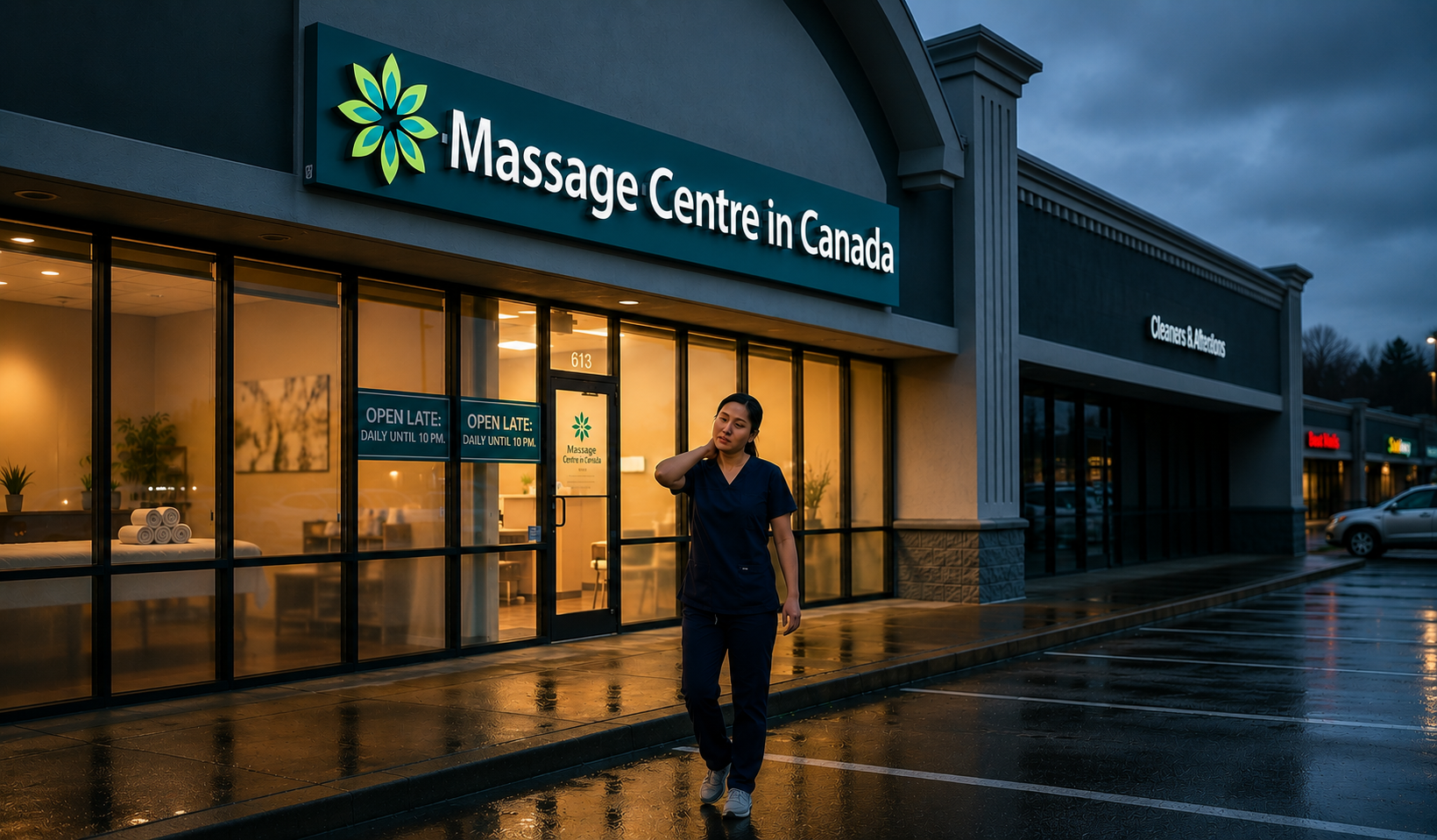
On the table, everything often starts with what you can feel: tight bands in the shoulders, stiff neck, or an achy low back. Many centres rely on approaches like deep tissue or Swedish techniques, using slow, sustained pressure and long strokes to track down dense areas and soften them.
That pressure encourages blood and lymph to move, giving cramped fibres a chance to lengthen and glide again. As tissue warms and loosens, your body quietly adjusts: breathing deepens, exhalations stretch out, shoulders settle closer to the table, and your jaw may unclench without any conscious effort.
Those small shifts are clues that the work is moving from structure to function. Instead of only changing the state of muscles and fascia, the session is shaping how your whole system responds. Your brain is constantly scanning for safety or threat. Steady, predictable contact tells it that for this hour, nothing urgent is happening.
Daily life can keep you in a low-grade “fight or flight” state, with stress hormones circulating and a sense that you need to stay on alert.
Sustained, confident touch helps your body switch gears. Signals from the skin and deeper tissues travel through nerves and into the brain, which gradually downgrades the stress response. Heart rate can slow, digestion may kick back in, and the “rest and digest” branch of the nervous system gets more say.
The type of technique matters less than how it is applied. Deep work, relaxation sessions, or lymphatic-style treatments can all support this shift when pressure is clear and intentional. Over a longer appointment, that consistent input gives your system time to recalibrate. Many people describe walking out not only looser, but also mentally clearer and less stuck in high-alert mode.
When hands first make contact with your skin, touch receptors begin sending streams of information. If strokes are slow, warm, and reasonably predictable, your brain tends to file them under “safe.” That sense of safety tones down the stress response and allows more of the body’s natural comfort chemistry to come through.
Stress-related hormones can ease off, while endorphins and other internal “soothers” rise. The combination often means that sharp sensations feel less overwhelming and mood starts to lift. For people who live with ongoing discomfort, that window of relief can feel like taking a heavy backpack off, even if only for part of the day.
Pain and poor sleep are tightly linked. When everything hurts, it is hard to fall asleep or stay there, and sleep loss in turn can make pain feel louder. A treatment session can slip into this loop in a few different ways.
First, the appointment itself often functions like a guided wind‑down, with darkened lights, slower breathing, and a predictable routine that hints to the body that bedtime is coming. Drowsiness on the table is common. Second, as overall tension and baseline pain gradually ease with repeat care, it becomes easier to find comfortable positions and stay asleep.
There is also a psychological layer. Persistent pain can bring frustration, worry, and low mood. Respectful contact and the experience of being tended to can offer a sense of comfort and validation. A calmer emotional state around bedtime, combined with softer pain and a quieter nervous system, gives your body a better chance at deeper sleep.
| Situation around pain and sleep | How a session can help in a practical way | What many people notice after a few visits |
|---|---|---|
| Trouble falling asleep because of body tension | Creates a predictable, slow routine that cues relaxation | Shorter time to fall asleep on session days |
| Waking often due to discomfort | Eases tight areas so favourite positions feel possible again | Fewer night‑time position changes |
| Feeling discouraged or anxious about tiredness | Offers calm, attentive touch and focused listening | Slightly lighter mood and less “on edge” feeling |
Walk into one space where the air feels neutral, then into another that carries a hint of citrus, mint, or soft florals, and your body reacts before you have formed an opinion. Light, bright notes often feel clearing and fresh, while gentle herbal or woody tones can feel more grounding.
The key is subtlety. Many centres use diffusers or light sprays to create a soft cloud rather than a strong perfume. Aroma should stay in the background. Anything sharp can nudge the body back toward alertness, which works against the nervous system reset many people are seeking.
Sensitive guests may prefer unscented options, and a thoughtful practice will usually have ways to adjust. The goal is a breathable, comfortable atmosphere that your lungs and brain register as calm.
Sound in a treatment room acts almost like an invisible assistant. Slow, even music, gentle white noise, or recordings of water and wind can give your brain something steady to follow, instead of scanning for every small noise in the hallway. When the soundtrack is consistent and not too dramatic, muscles tend to let go more fully.
On the skin, oils, lotions, and lighter serums smooth the path for each stroke. Without them, hands would drag and pull. With them, the contact can feel like a continuous, flowing line instead of a series of starts and stops. Texture matters: many people prefer products that sink in without leaving a sticky layer, yet still give enough glide for comfortable work.
When these liquids carry a faint, comforting aroma and are paired with stable room temperature and soft lighting, they round out the sense of being cocooned. Scents, sounds, and textures do not replace skill, but they amplify the signal to your body that it can lower its guard.
| Room element | Subtle choices that support relaxation | Signs it might not be working for you |
|---|---|---|
| Scent in the air | Light citrus, herbal, or unscented options | Headache, scratchy throat, or feeling overwhelmed |
| Soundscape | Gentle, repetitive tracks or nature sounds | Music that feels too loud, busy, or jarring |
| Product on skin | Smooth glide, no dragging, mild or no aroma | Feeling greasy, sticky, or irritated afterward |
A treatment menu can read like a foreign language, especially on a first visit. The easiest way to navigate it is to start with your main goal and ignore the fancy names at first.
If you are mainly for stress relief or are brand new to hands‑on care, descriptions that mention relaxation or classic whole‑body work are often a good entry point. These usually involve long, gliding strokes, lighter to medium pressure, and a focus on helping your system down‑shift rather than on one specific problem area.
If your priority is an old shoulder knot, a temperamental low back, or tightness from sports or gym training, look instead for terms that hint at firmer, more targeted techniques. Words like deep, therapeutic, or sport‑focused often signal sessions that include slower, heavier pressure, working into specific points, or adding stretching to improve movement and ease discomfort.
Offerings that spotlight stones, wraps, or themed experiences tend to build on top of a main style. They can be great once you know what your body responds to, but are easier to choose when you already have a clear purpose in mind.
Plain language is your best tool when booking. Rather than asking for whatever is most popular, link what you do all day, what you feel in your body, and how you hope to feel after. For example, you might mention long hours at a screen, upper‑back tightness, and wanting to leave feeling lighter but not exhausted. This kind of information helps staff suggest a session that fits you instead of a generic pick.
During the appointment, staying honest and specific makes a big difference:
How do I choose the right “Massage Near Me” option when there are so many listings?
Start by checking whether the clinic clearly lists qualifications for each massage therapist, treatment types, and session lengths. In Canada, look for RMTs when you want insurance coverage, and read recent reviews that mention issues similar to yours, like stress, sports tightness, or chronic pain, not just “nice atmosphere.”
What should I ask a massage therapist at The Massage Centre before my first appointment?
Ask how they tailor massage therapy for stress relief versus injury care, whether they have experience with your specific condition, and what results are realistic after a few visits. Clarify pressure preferences, any health concerns, and how often they suggest returning, so you know there is a thoughtful treatment plan.
Does the type of massage oil really matter, or is it just personal preference?
Massage oil affects glide, skin feel, and sometimes allergies, so it is more than a cosmetic choice. In Canadian climates, many people prefer medium-weight, non-greasy oils that absorb well without staining clothes. If your skin is sensitive, ask for unscented products and confirm that nut-based oils are avoided when needed.
How can a Near Massage Centre visit support long-term stress management, not just a one-time fix?
Use regular appointments as checkpoints to track changes in sleep, mood, and movement. Combine massage therapy with simple home routines like stretching, breath work, or short walks. When you see the same therapist consistently, they can adjust techniques and frequency according to how your body responds over weeks and months.
What signs suggest I should switch massage therapist or clinic despite convenient “Massage Near Me” results?
Warning signs include feeling unsafe discussing health history, pressure repeatedly ignored, or signal worsening without explanation. If session notes are minimal, rebooking feels pushy, or your concerns are dismissed, consider another therapist or The Massage Centre–style clinic that communicates clearly, explains options, and respects your feedback.