
x
A promotion, a career change, or the pressure of leading a complex initiative can suddenly expose gaps in planning, coordination, and stakeholder communication. Flexible digital programs now range from short tasters to intensive, credential-focused tracks, helping you build practical leadership skills step by step.
Before enrolling in any course, it helps to look closely at the work you already do. Pick one or two recent initiatives, from workplace roll‑outs to community events. Note how they started, who was involved, when things felt smooth, and where chaos showed up. Instead of blaming a rushed deadline or a tricky stakeholder, look for repeated patterns: timelines slipping, priorities changing without warning, or constant meetings without clear outcomes. Those recurring issues usually point to missing skills in planning, communication, or execution. Treat this exercise as a gentle reality check, not a performance review. It shows you which learning paths will actually change your day‑to‑day life.
Emotions during projects are often clearer than status reports. If you constantly feel anxious about dates, there might be a gap in estimation, scheduling, or risk management. Dreading stakeholder meetings can signal missing tools for negotiation or conflict resolution. Feeling bored or avoidant around numbers might hide limited confidence with budgets or value tracking. In an Australian workplace, where directness is valued but tall‑poppy culture can make people reluctant to brag, those emotions are easy to downplay. Write down a few moments from recent months when you felt stuck, tense, or out of your depth. Later, you can line these up against course descriptions and see which programs promise help in those exact moments, instead of chasing generic buzzwords.
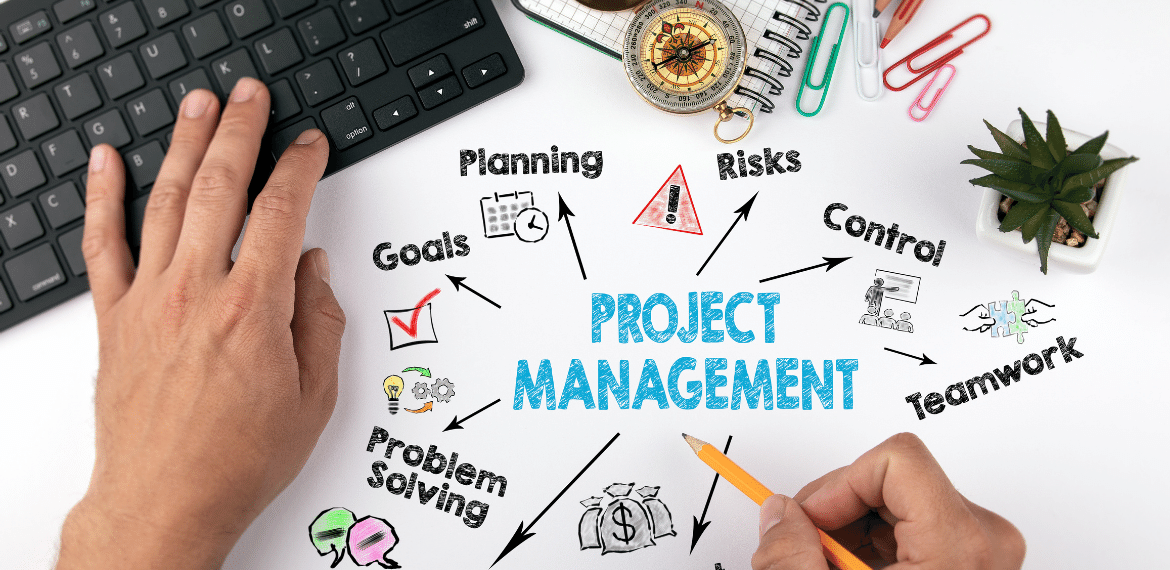
“Project management” sounds like one big skill, but it is really several smaller capabilities. Planning and estimation are about translating fuzzy ideas into realistic timelines, milestones, and responsibilities. Communication and stakeholder management cover how you keep different groups aligned without endless emails. Delivery and execution focus on tracking progress, handling surprises, and keeping outcomes front and centre. Leadership and collaboration deal with motivation, psychological safety, and constructive challenge. Finally, strategic alignment links day‑to‑day tasks with broader goals, whether in a government department, a construction site, or a tech startup. When browsing online courses, compare their modules against these buckets. A program promising “end‑to‑end training” should touch each area, not just tools.
Different online options tend to emphasise different parts of that skill set. Short introductions often give a light overview of planning and terminology. More intensive certificates might dig into leadership, financial modelling, or agile delivery. Sector‑specific programs, like those for public service team leaders or construction professionals, weave in risk, regulation, and stakeholder landscapes unique to those environments. When you know which bucket matters most right now, you can treat promotional pages as menus instead of adverts. Ask: Does this mostly teach language for exams, or does it coach me through stakeholder conversations, trade‑offs, and real‑world planning? That distinction saves time, money, and a lot of frustration.
| Skill area | Best matched to… | What to look for in course descriptions |
|---|---|---|
| Planning & estimation | Structured beginner or intermediate units | Clear breakdowns, templates, practice scenarios |
| Communication & people | Cohort programs, leadership short courses | Role‑plays, feedback, stakeholder mapping activities |
| Delivery & execution | Agile and practitioner‑style certificates | Iteration design, metrics, risk handling, change examples |
| Strategy & alignment | Advanced or sector‑specific programs | Case studies, portfolio thinking, decision‑making exercises |
Use this table as a quick filter when comparing course outlines on Australian providers or global platforms.
Free or low‑cost samplers are like trying on a role without updating your job title. These might be mini‑courses, recorded webinars, or short interactive workshops. They rarely cover everything, but they are enough to answer questions like: Do I enjoy coordinating others? Am I curious about agile rituals? Do I like thinking about risk and trade‑offs? For someone in a busy local office or on site, a taster that runs for an hour after work, or a weekend module you can pause, is easier to commit to than a multi‑month program. Use these tasters to explore different flavours: people‑heavy team leadership, technical planning and modelling, or stakeholder‑rich public sector initiatives. Take notes on what sparks energy versus what feels like a chore. That difference should guide your next step.
Once a taster confirms your interest, focused short courses work like sprints. Over a few weeks, you might build competence in one area: stakeholder communication, agile delivery, or financial aspects of running projects. Many Australian‑oriented programs schedule live sessions outside standard business hours, which helps if you juggle shift work, caring responsibilities, or regional time zones. Look for courses that use local examples, such as infrastructure upgrades, policy changes, or digital services, rather than purely overseas case studies. Strong short courses usually include templates you can adapt, peer discussion, and small assignments linked to your own workplace. That way, by the time you finish, you have both new skills and proof you can apply them.
When you are ready to reposition yourself—into senior coordination, construction leadership, or public administration—deeper programs become relevant. These might be multi‑unit online degrees, honours‑level pathways, or extended management programs spread over several months. They often blend asynchronous material with live workshops and project‑based assessment. Some include work‑integrated learning or placements so you can test your knowledge in real organisations. Deep dives require more energy and planning, especially if you live outside major centres, but they also reshape your professional identity. They shift you from “helpful organiser” to “recognised leader who can design, justify, and steer complex initiatives.” The trade‑off is commitment: you need family support, workplace flexibility, and a realistic plan for your own wellbeing.
Not every credential carries the same weight. Large, well‑known certificates are handy when recruitment teams need quick filters. They say, “this person has studied a recognised body of knowledge.” Shorter micro‑credentials and badges, especially in agile practices or digital tools, highlight specific strengths. Yet what often convinces a hiring manager or senior leader in an Australian setting is neither alone, but the story you can tell. A convincing narrative sounds like: “I took this online course, applied its planning tools to our regional rollout, cut confusion in stakeholder emails, and delivered on time despite a late change.” When evaluating courses, ask yourself: will this give me something concrete I can talk about in that way within the next six months?
Some fields reward sector‑aware learning. Public service often values programs that mirror its governance structures, ethical expectations, and collaborative culture. Management courses built for public leaders tend to focus on cross‑agency cooperation, policy implementation, and team wellbeing, not just Gantt charts. Similarly, building and construction programs weave in contracts, safety, and on‑site realities. If you work in or near those worlds, a credential that speaks their language can make internal mobility easier. You do not have to lock yourself into one sector forever, but aligning your next course with where you already earn your income can create faster, more visible returns on effort.
The fastest way to turn theory into reputation is to treat each lesson as a prompt for a small workplace experiment. Learn a new way to run stand‑ups? Try it with your team for two weeks. Discover a template for risk logs? Pilot it on an upcoming release, even if the project is small. Australia’s often informal, “let’s just give it a go” culture works in your favour here—small tweaks are usually welcome if they reduce friction without adding red tape. Keep a simple diary of what you test, what changes, and how colleagues respond. These notes become powerful material in one‑to‑ones, performance reviews, and job interviews, showing that you do more than watch videos: you improve how work gets done.
Alongside certificates, build a lightweight portfolio that captures three to five meaningful initiatives. For each, summarise the goal, your role, constraints, what you changed after learning something new, and the outcome. This does not need fancy design; a few clear pages or slides are enough. The point is to make your progress visible to yourself and others. In remote or hybrid Australian workplaces, where managers might not see your daily efforts, having these stories ready makes it easier to argue for new responsibilities or a move into a dedicated project role. Over time, you will see the arc from first online unit to confident project leader—and that, more than any badge, is what changes your career.
What should I look for when choosing the best online project management courses in Australia?
Focus on recognised providers, alignment with PMBOK or PRINCE2, trainer industry experience, live support options, and whether the course is mapped to local job roles or Australian industry standards.
Are free project management courses online actually useful for career development?
Yes, they’re great for fundamentals, testing your interest, and building confidence, but usually lack formal assessment, mentorship, and accredited certificates that employers in Australia prefer for higher‑level roles.
How do certified project management courses differ from general online project management training?
Certified courses lead to a recognised credential (like PMP or PRINCE2), have eligibility and exam requirements, and are often requested in Australian job ads, while general training is more flexible but less formally recognised.
Who benefits most from an Agile project management online course?
Professionals in software, digital, government transformation, and startups gain most, as Agile skills align with how many Australian organisations now deliver products using Scrum or hybrid Agile‑Waterfall models.
Can online project management classes provide enough practical experience for real projects?
They can if they include case studies, simulations, group work, and trainer feedback; look for courses that use tools like Jira or MS Project and incorporate Australian business scenarios or regulations.