Understanding the Core Loop of Steal A Brainrot
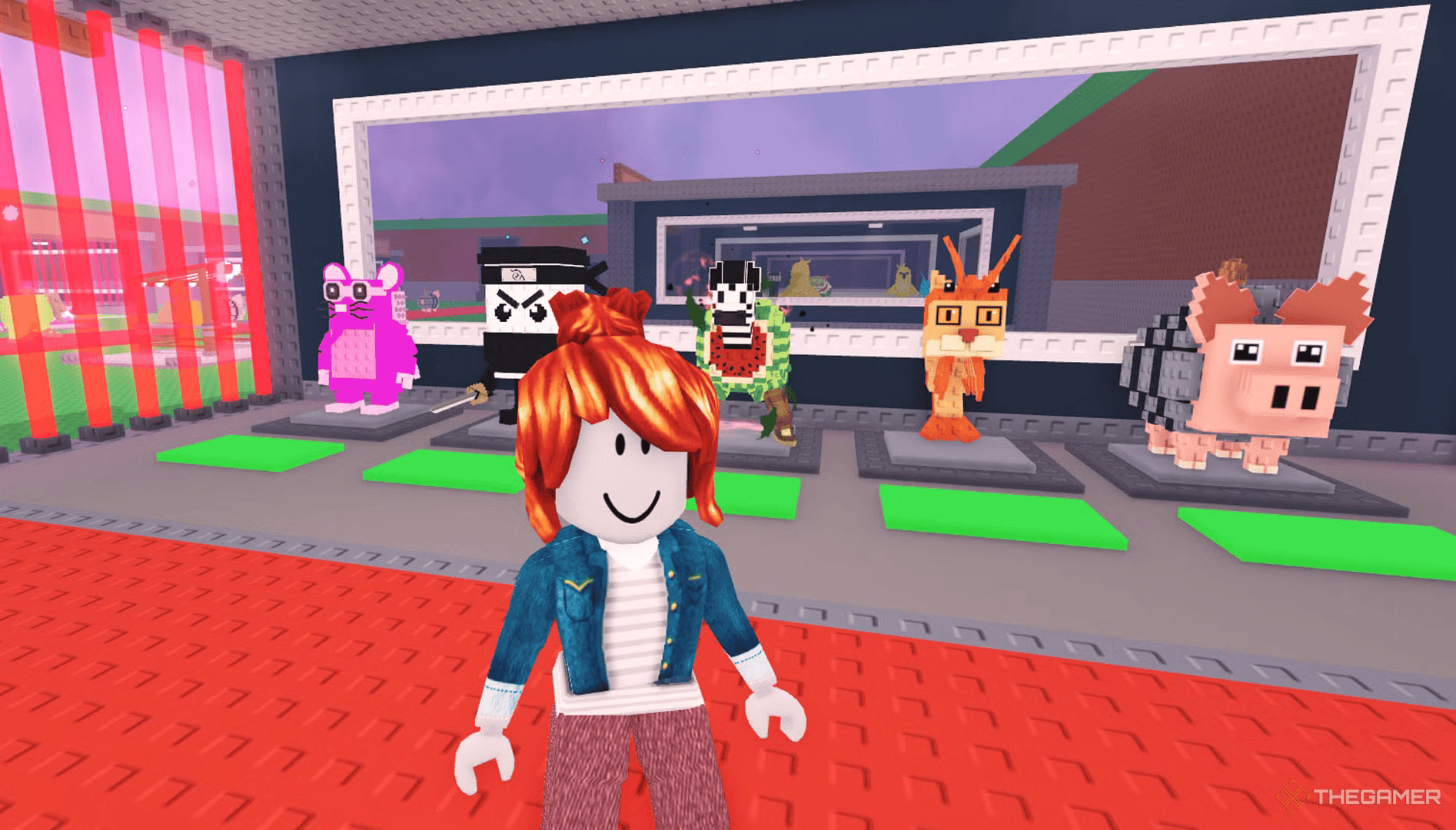
At its heart, Steal A Brainrot revolves around collecting characters called Brainrots and placing them inside a personal base. Once placed, these characters begin generating in-game currency automatically. Some Brainrots produce small amounts slowly, while rarer ones generate income much faster. This basic mechanic might remind players of idle or incremental games. However, the twist comes from the multiplayer environment. Brainrots are not perfectly safe once placed in your base. Other players roaming the map may attempt to break in and steal them. This simple idea—growth combined with vulnerability—creates the central tension of the game.
Players must constantly balance three priorities: expanding their collection, strengthening their defenses, and watching for opportunities to raid others. The more valuable your base becomes, the more attention it attracts. That pressure forces players to think about their decisions in ways they might not expect from a meme-driven Roblox game.
How Your Account Slowly Becomes a Strategy Hub
In Roblox games, an “account” usually just refers to your player profile and progress. But in Steal A Brainrot, your account gradually becomes something more personal. It reflects the way you approach the game. Every Brainrot you collect, every upgrade you purchase, and every defensive improvement you make shapes your overall playstyle. Some players prefer a calm, defensive approach. They focus on protecting their base and growing their collection slowly. Others enjoy the thrill of raids, constantly searching for weakly defended bases to steal from. Over time, these choices build a kind of identity for each player. Two people with similar resources might progress very differently depending on how they manage risk and opportunity. What starts as a simple save file gradually turns into a small strategic hub that tells the story of your decisions.
The Quiet Importance of Base Design
One of the most underrated aspects of Steal A Brainrot is base design. When players first start playing, they often place their Brainrots randomly wherever there is space. After a few unexpected raids, they quickly realize that layout matters. Positioning valuable units deeper inside the base can make them harder to reach. Creating narrow entry points may slow down intruders. Some players experiment with creative defensive setups that force raiders to take longer routes through the base. None of these ideas are explained in detail by the game itself. Instead, players discover them through experience.
A well-designed base can dramatically reduce losses over time. Even small changes—moving a rare Brainrot further away from an entrance or adding extra obstacles—can give the owner enough time to react if someone attempts a raid. These small improvements often separate beginners from more experienced players.
Raiding Other Players: High Risk, High Reward
While defense is important, Steal A Brainrot would not be nearly as exciting without the ability to raid other players. Raiding introduces a completely different kind of decision-making. Attempting to steal a valuable Brainrot can dramatically accelerate your progress, especially if the target has been generating large amounts of income. But raids also carry obvious risks. You might fail and waste time, or your own base might become vulnerable while you are away exploring the map.
Because of this, experienced players rarely raid without thinking carefully about the timing. They may first secure their own base, observe nearby players, or wait for the right moment before attempting a risky move. This balance between caution and opportunity keeps the game constantly engaging.
How Players Naturally Develop Long-Term Thinking
Although the game never presents itself as a strategy simulator, something interesting happens after players spend enough time with it. Many begin thinking more carefully about their decisions.
Questions start appearing naturally during gameplay:
-
Should this currency be spent immediately or saved for something better?
-
Is this Brainrot worth protecting with stronger defenses?
-
Would a raid help progress, or create unnecessary risk?
These questions resemble the kind of thinking that appears whenever people manage limited resources. The game never frames them as lessons, but they emerge naturally through experience.
Because mistakes carry no real-world consequences, players feel comfortable experimenting. Losing a valuable unit may be frustrating, but it also reveals weaknesses in the player’s strategy. Over time, these lessons encourage more thoughtful play.
The Role of Observation and Community
Another fascinating part of the game is how much players learn simply by watching others. Since Steal A Brainrot provides very few structured tutorials, many strategies spread through observation.
Players might notice how experienced players structure their bases or how they move across the map during raids. Some servers quickly develop informal “meta” strategies where certain defensive setups or resource priorities become common. This kind of learning is typical in multiplayer Roblox experiences. The community becomes an important part of how knowledge spreads. Sometimes the most useful lesson comes from watching another player succeed—or fail—in a dramatic raid.
Events, Chaos, and Adaptation
Like many Roblox games, Steal A Brainrot occasionally introduces unexpected moments that disrupt normal gameplay patterns. Rare Brainrots may appear more frequently, or the server might suddenly become active with multiple players attempting raids at the same time. These unpredictable situations encourage flexibility. Players who cling too rigidly to one strategy may struggle when the environment changes. Those who adapt—switching between defense, exploration, and opportunistic raids—often perform better over long play sessions. This constant need to adjust keeps the experience fresh even after many hours of gameplay.
Why Patience Often Wins in the Long Run
New players tend to move quickly. They spend currency as soon as they earn it, attempt raids whenever possible, and chase rare Brainrots the moment they appear. More experienced players often take a slower approach. They focus first on building a stable base, protecting valuable units, and gradually improving their income sources. Only after establishing a reliable foundation do they start pursuing larger opportunities. This slower style may not look as exciting at first, but it frequently produces more consistent results over time. The lesson appears naturally through gameplay: rushing rarely works as well as thoughtful planning.
Playing With Friends vs Public Servers
The multiplayer environment also changes depending on where you play. Public servers tend to be chaotic and unpredictable. You may encounter highly experienced raiders or brand-new players learning the basics. The constant interaction creates tension and excitement. Private servers, on the other hand, offer a calmer environment where groups of friends can experiment with strategies or explore the game mechanics together. Many players switch between both modes depending on their mood. Public servers offer thrilling unpredictability, while private sessions allow slower experimentation and cooperative play.
The Unexpected Depth Behind the Meme Chaos
What makes Steal A Brainrot memorable is the contrast between its silly appearance and the thoughtful gameplay that emerges over time. On the surface, it’s a ridiculous meme game about collecting strange characters and protecting them from thieves. But beneath that humor lies a system where decisions matter. Players gradually learn how to protect their resources, evaluate opportunities, and adapt to the behavior of others. Those lessons are never forced; they simply arise through the process of playing. That natural progression—from chaotic clicking to careful strategy—is what keeps many players returning for another session.
Q&A
Q1: What type of game is Steal A Brainrot?
A1: Steal A Brainrot is a multiplayer Roblox experience that combines resource generation, base defense, and player-versus-player raiding. Players collect characters called Brainrots that produce income over time while protecting them from other players who may attempt to steal them.
Q2: Steal A Brainrot mainly a strategy game?
A2: The game is not designed as a traditional strategy title, but strategic thinking naturally develops as players progress. Managing resources, defending bases, and choosing when to raid others all involve decision-making that rewards patience and observation.
Q3: Can beginners succeed easily in the game?
A3: Yes. The basic mechanics are simple to understand, which makes the game accessible to new players. However, mastering base design and raid timing takes practice.
Q4: Do players need to raid others to progress?
A4: Not necessarily. Some players grow steadily by focusing on defense and resource generation. Raiding can speed up progress, but it also introduces additional risks.
Q5: Why do many players keep returning to the game?
A5: The mix of humor, unpredictable multiplayer interaction, and gradual strategic depth makes the experience surprisingly addictive. Each server session feels slightly different, which encourages players to experiment and improve over time.