
x
Most people just want laundry that smells fine, feels soft, and doesn’t wreck their budget or their skin. But every jug on the shelf hides trade‑offs: clever pricing, heavy perfumes, “green” logos, and different chemistries that affect stains, color, and even the smell of your washer.
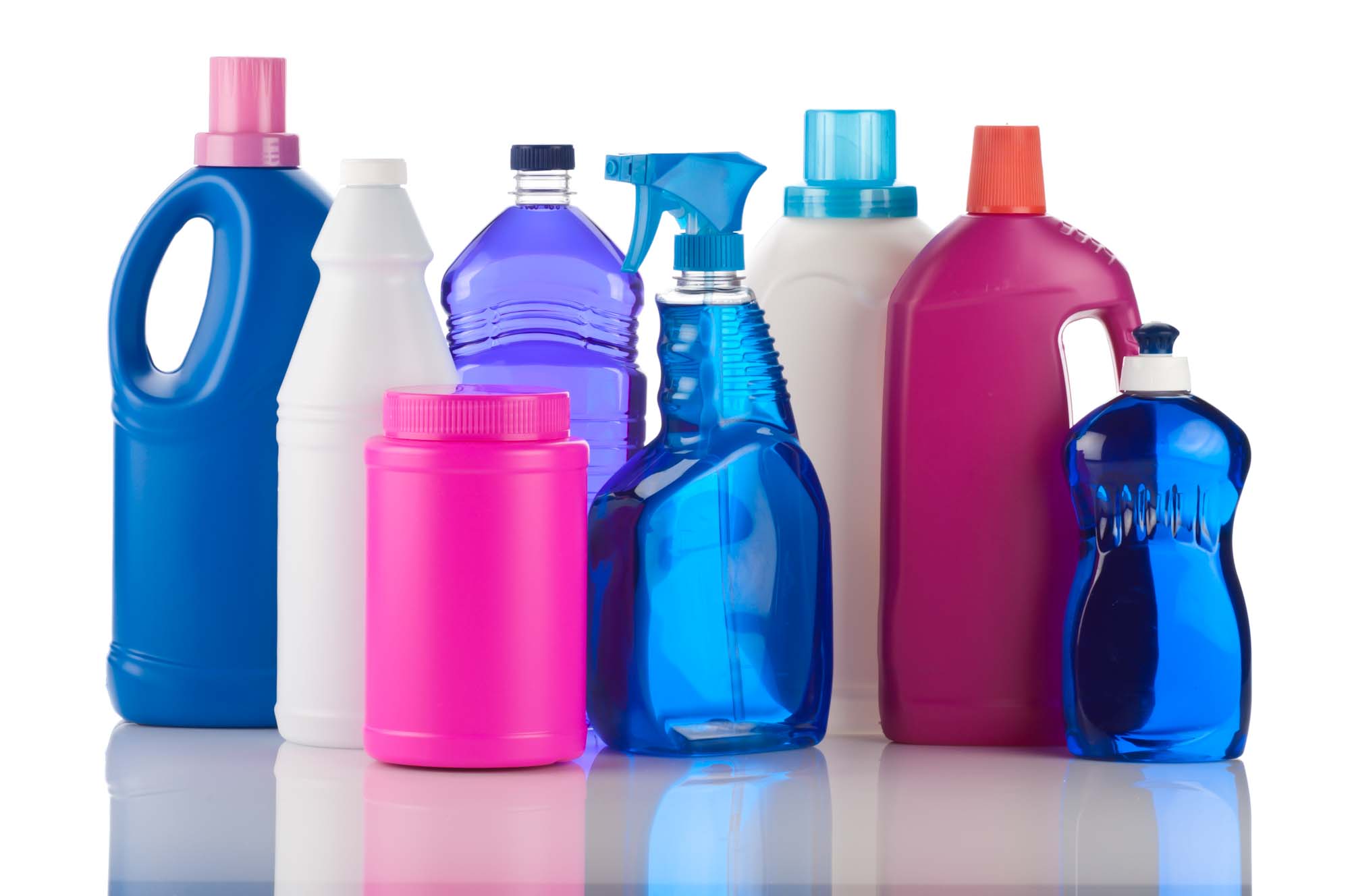
That discount label is designed to grab you, not to tell you the truth about cost. Between different sizes, formats, and “ultra‑concentrated” claims, it is hard to compare options by shelf price alone.
A clearer way is cost per load. Take the price and divide it by the number of loads printed on the bottle or box. That number is the real comparison tool. Once you start looking at it, patterns show up:
Convenience and pre‑measured doses drive up what you spend over weeks of laundry.
Shelf price can mislead when a “value” bottle calls for a huge capful, while a more concentrated formula only needs half as much. The cheaper‑looking bottle can cost more per cycle once you do the math.
Bulk tubs and simple mixes flip that story. Plain packaging and no‑frills branding may not look impressive, but the cost per use can drop to a fraction of what you pay for flashier products.
| Format type | Everyday advantages | Trade‑offs to keep in mind |
|---|---|---|
| Powder | Usually low cost per use; long shelf life | Can cake in humidity; may not dissolve in cold wash |
| Standard liquid | Easy to dose; familiar to use | Mid‑range cost; heavier bottles to store and carry |
| Single‑dose packs | No measuring; tidy and portable | Often highest cost per use; less flexible on dosing |
| Sheets or strips | Very compact; minimal packaging | May underperform on heavy soil |
| Simple bulk or DIY mix | Very low cost per use; ingredients transparent | Requires storage space; more effort to measure |
Looking at format this way makes it easier to decide whether you are paying for cleaning power or mostly for convenience and aesthetics.
If you or someone in your home has easily irritated skin, the front of the bottle can be misleading. Words like “gentle,” “for sensitive skin,” “all natural,” or “free” sound reassuring. The catch is that these are marketing phrases, not guarantees.
A bottle labeled “gentle” can still contain heavy fragrance blends and bright dyes. “All natural” might describe only a small part of the formula while the rest looks similar to standard products.
A better approach is to flip the bottle around:
If you have been scratching through the day, or notice redness where clothes rub, what touches your skin all day might be part of the problem.
Cleaner does not have to mean harsher. There is a lingering fear that milder options will not handle sweat, food spills, or outdoor dirt, but that is not always true.
Many products aim to keep strong cleaning performance while cutting back on common irritants such as perfumes, dyes, or certain aggressive surfactants. For everyday loads, a more skin‑friendly option usually looks like this:
Laundry habits matter as well. Using more detergent than needed leaves extra residue in fabric, which can trap both odors and irritants against your skin. Running an extra rinse cycle for bedding, workout gear, and underwear can help wash away leftover suds.
If clothes come out feeling stiff, overly scented, or make you itch after wearing them, it can be worth switching to a simpler formula for a few weeks. Often, fewer extras plus a little more rinsing are enough for skin to calm down.
Words like “green,” “non‑toxic,” or “bio‑based” sound comforting but do not always have strict, universal definitions. Instead of relying on logos and leaves printed on the front, it is more reliable to focus on what the formula does and how clearly it is described.
At the heart of any detergent are surfactants, the ingredients that surround oily dirt and help wash it away. Traditional versions are often very effective but can be strong on both fabrics and skin. Newer surfactant blends try to maintain cleaning strength while breaking down more easily in the environment and being milder to handle.
Products that avoid dyes and heavy fragrances often also skip a few other extras that change how clothes look and smell without truly removing more soil.
Enzymes are protein helpers that target specific types of stains, such as:
Because these helpers work well in cooler water, they let you wash in lower temperatures and still get decent results.
Beyond surfactants and enzymes, bottles often include:
For people with sensitive skin or households trying to lower their exposure to intense scents or certain chemicals, a practical strategy is:
That sour smell coming from the machine usually has less to do with the product and more to do with routine. When wet laundry sits in a closed drum, the warm, damp space becomes perfect for odor‑causing microbes. The smell then transfers to fabrics, and you end up rewashing loads.
Overloading makes the problem worse. When the drum is packed full:
Using too much detergent works against you as well. Extra suds do not mean extra clean; they leave a film on fibers that can:
All of this pushes you to use more product, wash on harsher settings, or replace items sooner, which defeats any savings at the store.
A few simple shifts can stretch every jug or box further:
You can also experiment with using a bit less detergent than the cap suggests, especially if your loads are small or your water is naturally soft. Many people find that clothes still emerge clean while rinsing more easily and feeling softer.
Mild boosters from the pantry can help:
For households on a tight budget, basic homemade mixes built from simple laundry helpers and a gentle soap can cover everyday loads, especially when combined with good habits like not overstuffing the machine. Favorite tees, towels, and sheets stay comfortable, smell neutral or pleasantly light, and last longer before they need replacing.
How can I realistically get Free Laundry Detergent or close to it in the U.S.?
True “Free Laundry Detergent” offers usually come from rebate apps, loyalty points, or new‑customer promos from big chains and warehouse clubs. Stacking a manufacturer coupon with a store sale, plus cash‑back apps, can drive your cost near zero per load, especially on Tide or Gain in family sizes.
Are 5 Gallon Gain Laundry Detergent buckets actually a better value per load?
5 Gallon Gain Laundry Detergent is generally cheaper per load than smaller jugs, but only if you measure correctly and have somewhere cool, dry, and child‑safe to store it. Use a pump or small refill bottle, and compare cost per load against local warehouse or club‑pack prices before committing.
When does a 5 Gallon Tide Laundry Detergent bucket make sense for a household?
5 Gallon Tide Laundry Detergent works best for large families, shared housing, or people who do frequent towel and bedding loads. The big bucket typically offers a low cost per load and strong stain removal, but it is heavy, so decanting into smaller containers and labeling them clearly is important for everyday use.
Is All Free Clear Liquid Laundry Detergent enough for stains and sensitive skin?
All Free Clear Liquid Laundry Detergent is fragrance‑free and dye‑free, so it suits many people with eczema, allergies, or baby clothing needs. For tough stains, pre‑treat spots or soak items, because its milder profile trades a bit of instant punch for better skin comfort and lower residue on fabrics after rinsing.
How do I judge whether a Low-Priced Laundry Detergent is a smart buy, not just cheap?
A Low-Priced Laundry Detergent is smart when cost per load stays low while clothes rinse clean and do not feel stiff or overly scented. Look for clear dosing instructions, some enzyme content, and basic surfactants. If you must use hotter water or extra cycles, the “cheap” option may cost more long term.