
x
If you’re comparing local HVAC maintenance service options, this guide helps you weigh twice‑a‑year tune‑ups, service plan eligibility and monthly costs, how long a visit usually takes, and what to prepare when scheduling a licensed technician for AC and heating upkeep.
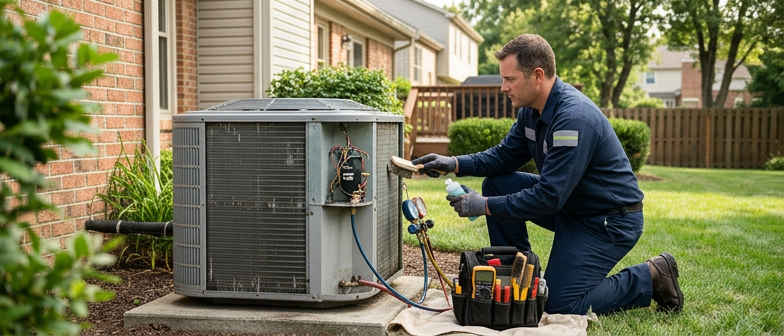
Searching for HVAC maintenance service near you is really about protecting comfort, safety, and steady energy costs. Today’s systems run almost every day, and a regular heating and cooling tune up keeps fans, coils, burners, and safety controls working as designed. Skipping routine checks lets dust, loose electrical connections, or a failing blower slowly cut performance until you notice uneven temperatures, rising bills, or breakdowns. Scheduled visits also let a technician spot weak airflow or worn parts early, before they turn into a no‑cool or no‑heat emergency at the worst time.
To prevent these problems, many homeowners enroll in an HVAC maintenance plan twice a year, with one visit in spring for cooling and another in fall for heating. This consistent schedule keeps filters clean, checks refrigerant charge or combustion, and confirms that safety shutoffs work before each season. Regular care can extend equipment life, support healthier indoor air, and help keep manufacturer warranties valid when they require documented service. Even if your system seems fine, planning these tune ups with a local professional makes it easier to stay ahead of issues and feel confident your home will remain comfortable year‑round.
When you book a professional heating and cooling tune up with a licensed, insured HVAC technician near you, the visit starts with a full inspection of the thermostat, electrical connections, and safety controls. The technician checks the indoor furnace or air handler and outdoor condenser for wear or loose parts, inspects and usually replaces filters, cleans coils and blower components, and lubricates moving parts. They document system conditions and note any repairs or upgrades that may be needed.
Homeowners often want to know how long HVAC maintenance takes. A typical tune up takes about one to two hours per system, depending on age, size, and access. During that time, the technician performs an HVAC check for weak airflow by measuring static pressure, confirming ductwork is intact, and making sure the blower delivers air evenly. They may adjust fan speeds, clear drain lines, and verify safety shutoffs, then explain any issues and which items are most urgent.
On the cooling side, the tune up can include focused AC service if there are signs of a refrigerant leak or declining performance. The technician measures refrigerant levels, inspects insulation on the lines, and looks for oil stains or corrosion that suggest a leak, then discusses repair options that follow refrigerant handling rules. They also confirm the condenser fan and compressor operate within normal ranges and that the system cycles correctly to help prevent breakdowns.
| Tune Up Step | Key Checks | Homeowner Benefit | Best For |
|---|---|---|---|
| Initial safety and control inspection | Thermostat, electrical, safety shutoffs | Higher safety, fewer surprise shutdowns | All systems, especially older units |
| Airflow and ductwork assessment | Static pressure, blower output, duct leaks | More even room temperatures | Homes with weak airflow complaints |
| Mechanical cleaning and lubrication | Coils, blower components, moving parts | Smoother operation, reduced wear | Units running daily through seasons |
| Refrigerant and cooling performance check | Refrigerant level, line insulation, leak signs | More reliable cooling, protection from damage | AC systems with suspected refrigerant leak |
| Final review and maintenance recommendations | Document conditions, explain repair priorities | Clear plan for future service visits | Owners considering a maintenance plan |
A routine HVAC maintenance visit for a typical home usually takes about 60 to 90 minutes, though larger or poorly maintained systems can take longer. When you schedule HVAC service, be ready to describe issues such as unusual noises or weak airflow, confirm where the equipment is located, and share basic details like system age and fuel type. Before the licensed technician arrives, clear access to indoor and outdoor units, secure pets, and gather past service records or warranty papers so they can quickly review your system’s history and recommend the right follow‑up or maintenance plan.
When you try to find a local HVAC service company, focus on firms with a real presence in your area and consistent customer reviews, not just paid ads. A reliable company will list its license number, insurance, and certifications on its website or proposals, and you can confirm these with local licensing boards. Make sure the technicians are both licensed and insured and ask whether they are trained on newer systems as well as older equipment. Manufacturer dealer locators, professional association directories, and referrals from neighbors or building managers can help you identify contractors who regularly handle heating and cooling tune ups and seasonal maintenance for homes like yours.
As you compare nearby options, pay attention to how each company communicates and how simple they make it to schedule HVAC service. A trustworthy contractor explains technician credentials, offers written estimates, and clarifies what they inspect during a routine HVAC check for weak airflow, odd sounds, or efficiency problems. When you contact a licensed, insured HVAC technician near you, ask about evening or weekend appointments, typical response times in busy seasons, and how emergency calls are handled. Also discuss any ongoing maintenance plans, how they are priced, and what they include so you can choose a local partner that fits your budget and comfort needs without pressure.
When you schedule HVAC service, be ready to explain what you need so the visit is efficient. Note your system type and age, any recent repairs, and specific symptoms, such as rooms that need an HVAC check for weak airflow or uneven temperatures. If you think you need AC service for a refrigerant leak, describe hissing sounds, ice on the refrigerant lines, or a steady drop in cooling performance. Have your address, main phone number, preferred days and time windows, and details like pets in the home ready, so the company can confirm your appointment quickly and the technician arrives prepared to diagnose and fix your equipment.
An HVAC maintenance plan is an ongoing agreement with a local service company to keep your heating and cooling system reliable instead of waiting for a failure. Homeowners often ask whether their equipment qualifies for a service plan. Most central air conditioners, furnaces, heat pumps, and ducted systems are eligible, including older units, if they are safely installed and in reasonable condition. Severely neglected systems, units with safety problems, or equipment using obsolete refrigerants may be excluded or need repairs first. A licensed technician should inspect the system, explain any limits or added costs, and help you see how the plan fits the HVAC maintenance service you were searching for nearby.
Coverage and visit frequency define the value of any agreement, so it pays to carefully compare HVAC maintenance plan options. Many plans include a complete heating and cooling tune up once or twice a year, with separate visits for the cooling and heating seasons. A twice yearly plan typically includes coil cleaning, refrigerant checks, inspection of electrical connections, safety control testing, and verification of airflow and thermostat operation. When you compare HVAC maintenance plan coverage, look beyond basic cleaning and ask whether priority scheduling, repair discounts, and essential parts like filters or capacitors are included. Strong preventive coverage helps reduce unexpected repair bills and supports more consistent comfort.
Homeowners should also weigh the HVAC maintenance plan monthly cost against what is actually included. Fees are usually spread over the year, ranging from a modest subscription type payment to a higher amount if upgraded services are added. A plan with two visits per year costs more than a single annual check, but it can catch problems earlier and may reduce energy waste and emergency calls. When reviewing pricing, confirm that labor for routine maintenance is covered, see what you would pay for common repairs, and ask whether older units affect the rate or terms. Requesting a clear breakdown of annual and monthly costs makes it easier to choose a plan that fits your budget and your HVAC system.
| Plan Type | Visit Frequency | Coverage Breadth | Best For | Monthly Cost Sensitivity |
|---|---|---|---|---|
| Basic annual check | Once a year | Low, mainly inspection and cleaning | Newer systems in stable condition | High sensitivity, budget focused |
| HVAC maintenance plan twice a year | Separate heating and cooling visits | Medium, tune ups with key checks | Homes wanting preventive comfort and reliability | Moderate sensitivity, value balanced |
| Enhanced coverage plan | Twice a year plus priority visits | High, includes discounts and select parts | Busy households needing fewer surprises | Lower sensitivity, willing to pay for extras |
| HVAC maintenance plan for older units | Twice a year with added inspections | Medium to high, age related focus | Systems with wear but still serviceable | Moderate sensitivity, repair risk aware |
| Subscription style service plan | Spread across the year as scheduled | Varied, depends on chosen options | Owners who prefer predictable payments | Low sensitivity, comfortable with ongoing fees |
Why should I look for an HVAC maintenance service near me instead of waiting for a breakdown?
Regular inspections keep airflow strong, parts clean, and safety controls working so you avoid uneven temperatures, high bills, and emergency repairs.
What is typically included in a heating and cooling tune up by a licensed, insured HVAC technician near me?
They check the thermostat, electrical and safety controls, clean coils and blower, replace filters, lubricate moving parts, and report any needed repairs.
How long does HVAC maintenance usually take and how should I prepare for the visit?
Expect about 60–90 minutes. Clear access to indoor and outdoor units, secure pets, note issues like weak airflow, and have past service records ready.
Does my HVAC qualify for a service plan, and what about an HVAC maintenance plan for older units?
Most central systems qualify if safely installed and not severely neglected. Older units can be covered, but may need an inspection and some repairs first.
What do I need to schedule HVAC service and compare HVAC maintenance plan coverage or monthly cost?
Provide system type and age, symptoms such as possible refrigerant leaks, your contact details, and ask for a written breakdown of included services and fees.