
x
If conversations sound slightly muffled or you’re unsure what kind of hearing test to book, understanding how appointments work can clarify your next step. This overview compares quick screenings with full diagnostic exams, professional options, typical visit length, costs, and insurance considerations.
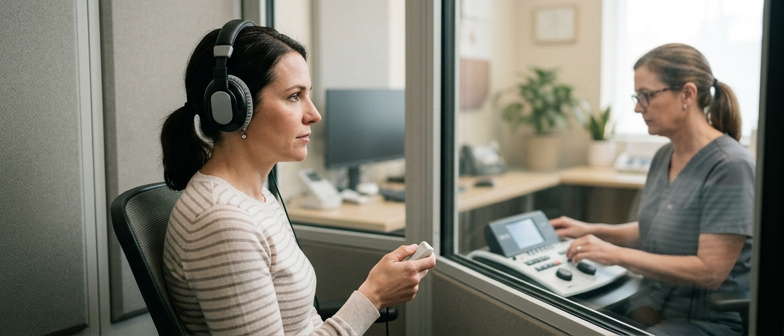
A hearing test appointment gives adults an objective snapshot of how well they hear in everyday situations, from quiet conversations to louder environments. Many people book a full hearing evaluation after noticing signs such as turning up the TV, asking others to repeat themselves, or feeling that speech sounds muffled. Even without clear symptoms, a baseline test in midlife can be useful, because gradual hearing changes are common and often subtle. Having that starting point allows later tests to show whether there is a meaningful change over time and whether follow‑up care or treatment should be considered.
Scheduling a complete hearing assessment is especially important before trying over‑the‑counter hearing aids. A clinician can check your ears for wax, infection, or other problems, measure how well you hear different pitches and volumes, and explain whether self‑fit devices are appropriate or whether medical evaluation is recommended first. This helps you avoid using amplification in situations where it may not be helpful and ensures that any underlying ear or hearing condition is not overlooked.
Hearing evaluations generally fall into two categories: screenings and full diagnostic exams. A hearing screening is a brief check that looks for possible hearing problems. It is often offered in community settings, workplaces, pharmacies, or health fairs and may be free or low cost. Screenings usually involve listening to tones through headphones or answering a short set of questions about everyday hearing situations. They do not include a detailed ear exam or a full review of your medical history, and they are not meant to confirm a diagnosis or guide a personalized treatment plan. The main goal is to identify people who should consider a more complete assessment with a licensed hearing care professional.
A diagnostic hearing exam is more comprehensive and is typically completed in a clinic or medical office. During this appointment, a hearing care professional takes a medical and hearing history, examines your ears, and performs tests that measure how well you hear different pitches and volumes and how clearly you understand speech. The detailed results are used to determine the type and degree of hearing loss and whether medical follow up is needed. People are usually offered a full diagnostic exam when a screening suggests a concern, when they have ongoing hearing difficulties, or when they want a thorough evaluation, such as before an ear exam that includes a hearing test or before considering hearing aids. Understanding the difference between a quick screening and a diagnostic exam helps you choose the level of assessment that matches your current needs.
| Evaluation Type | Typical Setting & Cost | Depth of Ear & Hearing Check | Best For |
|---|---|---|---|
| Hearing screening | Community or retail, often low cost | Basic sound check, no full ear exam | Quick check when unsure about hearing changes |
| Diagnostic hearing exam | Clinic or medical office, standard medical visit | Detailed ear exam and full test battery | Ongoing difficulties or screening showing concern |
| Screening before clinic visit | Initial community test, minimal cost | Surface-level results to flag issues | Deciding whether to book a full ear and hearing exam |
| Full exam before hearing aids | Audiology or hearing clinic appointment | Comprehensive assessment and interpretation | People considering hearing aids or medical follow-up |
When you schedule a full diagnostic hearing test, the visit usually begins with check-in and a brief case history. The hearing care professional asks about your medical background, noise exposure, family history of hearing loss, and situations where you notice difficulty hearing. This interview guides which tests are used and whether your concerns may relate to age-related changes, ear infections, medication effects, or other conditions. You then have an ear exam with an otoscope so the examiner can look for earwax buildup, signs of infection, or structural issues that might affect results.
After the ear exam, you sit in a quiet room or sound booth for tests such as pure-tone audiometry, speech understanding measures, and sometimes middle ear function checks. The appointment length depends on how many procedures are needed, but a full hearing assessment with an ear exam commonly takes about 30 to 60 minutes, so most people plan for roughly an hour.
When you look for a hearing test appointment, it helps to understand the roles of audiologists and hearing aid specialists. Audiologists are licensed professionals with advanced degrees who assess hearing and balance, diagnose different types of hearing loss, and recommend treatment options. These options may include hearing aids, referrals to physicians, or counseling for communication and listening strategies. Hearing aid specialists usually focus on selecting, fitting, and adjusting devices rather than performing full diagnostic exams or managing complex medical issues. If you have sudden hearing changes, tinnitus, a history of ear disease, or other health concerns, an appointment with an audiologist is often appropriate so potential medical causes can be evaluated and recorded.
Choosing a clinic involves both practical details and professional qualifications. Many hearing clinics indicate whether they are accepting new patients, which can guide your search in your local area. It can be useful to confirm whether the clinic offers comprehensive diagnostic tests, basic screenings, or both, and whether visits include an ear exam and communication with your primary care doctor when a medical condition is suspected. Before scheduling, check how appointments are booked, what identification or referral documents are required, and whether the clinic works with your health insurance or public programs, since coverage for hearing services can differ. Considering these points together can help you select nearby care that fits your hearing concerns and general health needs.
An audiologist is a licensed hearing healthcare professional who typically holds a graduate degree in audiology and is trained to diagnose and manage a wide range of hearing and balance disorders. They perform comprehensive hearing evaluations, interpret test results, and may coordinate care with physicians when medical issues are suspected. A hearing aid specialist, sometimes called a hearing instrument specialist, generally focuses on selecting, fitting, and adjusting hearing aids based on basic hearing test results. They usually do not diagnose medical conditions or manage complex cases. If you are looking for a nearby provider, an appointment with an audiologist is often recommended when you have sudden hearing changes, tinnitus, dizziness, ear pain, or a history of ear disease, because they can determine whether you need medical follow-up and provide a more in-depth assessment.
You can schedule a hearing test on your own or after seeing a primary care doctor, and the need for a referral usually depends on your age, symptoms, and health plan rules. Some hearing clinics accept self‑referred patients, while certain insurers require a doctor’s order before covering a full diagnostic evaluation. A medical referral is more likely if you have sudden hearing loss, ear pain, dizziness, or other symptoms that may need medical assessment. Before you book, ask both the clinic and your insurance provider whether a referral is needed and what paperwork should be prepared.
The cost of a hearing test with an audiologist depends on the type of exam, whether procedures such as tympanometry or speech testing are included, and local professional fees. Brief screenings may be free or low cost, but a complete diagnostic exam is usually billed as a medical service and can involve separate charges for the consultation and testing. Insurance coverage varies by policy and often requires that the exam be medically necessary, with possible limits on covered conditions, provider types, or how often testing is paid for. Contact the clinic and your insurer in advance to confirm which services are covered, expected copays or deductibles, and whether using an in‑network provider will lower your out‑of‑pocket costs.
Why schedule a hearing test if my hearing only seems slightly off?
A test gives an objective measure of your hearing, even with mild changes. It helps distinguish age‑ or noise‑related shifts from problems that may need medical attention and creates a baseline for future comparison.
How is a quick hearing screening different from a full diagnostic exam?
A screening is a brief pass/fail check and usually skips a detailed history or ear exam. A diagnostic evaluation uses several tests, includes looking in the ears, and is meant to guide treatment or management decisions.
How long does an audiologist hearing test appointment usually take?
Most adult diagnostic visits take about 45–60 minutes, including check‑in, questions about your hearing, an ear exam, and the tests. More complex situations or extra counseling can extend the visit.
Do I need a doctor referral for a hearing test, and is it covered by insurance?
Many clinics accept self‑referrals, but some insurance plans require a doctor’s order to consider coverage. Check both the clinic’s policies and your plan details before you schedule.
Who should I see before trying over‑the‑counter hearing aids?
Seeing an audiologist is often advised. They can perform a full exam, look for medical issues, explain whether OTC devices match your type and degree of hearing loss, and discuss other options when needed.