
x
When you’re weighing warehouse automation, the financing structure can matter as much as the technology itself. This guide compares loans and leases, coverage of installation and freight, documentation and underwriting, and how to handle multi‑vendor projects or existing robot fleets so you can choose a sustainable funding approach.
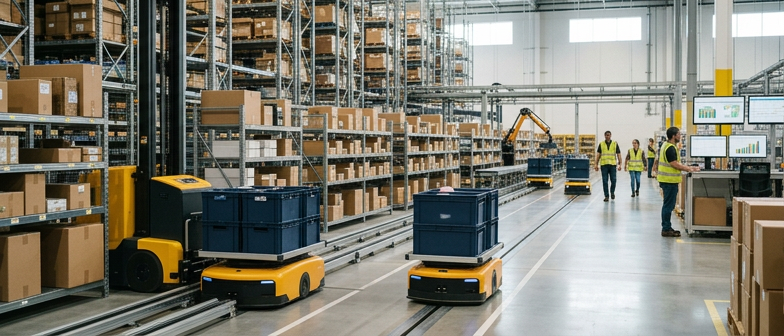
Warehouse automation financing lets businesses spread the cost of systems such as conveyors, automated storage, and robots over time instead of paying in full upfront. Many operators use loans or equipment finance agreements to preserve cash for labor, inventory, or facility improvements while still upgrading their operations. Structured payments can be aligned with expected productivity gains or cost savings from automation, which helps manage cash flow and reduce the immediate impact of large capital expenditures on the balance sheet.
The choice to lease or buy automation equipment is mainly about ownership versus flexibility. Financing that leads to ownership at the end of the term can suit assets expected to remain useful for many years and may support specific accounting or tax objectives. Leasing focuses on access to technology and can be useful when automation evolves quickly or future warehouse needs are uncertain. Some lease types resemble a rental with options to upgrade or return equipment, while others are closer to a purchase with installments. The most suitable structure depends on expected equipment life, how often systems are likely to be refreshed, and the way an organization prefers to recognize expenses and assets.
| Option | Key Advantages | Main Drawbacks | Best For |
|---|---|---|---|
| Lease warehouse automation | Low upfront cash use | Less control over long‑term ownership | Fast growth or changing demand |
| Buy with financing | Build equipment ownership | Higher impact on balance sheet | Stable, long‑term operations |
| Short‑term lease | High flexibility to refresh tech | Frequent renewals and planning | Uncertain future warehouse needs |
| Long‑term loan or lease | Predictable payments over time | Less flexibility to upgrade | Equipment with long useful life |
Warehouse automation is usually funded through a few standard structures that balance equipment control with cash flow. Traditional equipment loans use the hardware as collateral, give ownership from day one, and spread repayment over a set term, which suits businesses that want automation assets on their balance sheet. Finance leases emphasize long‑term use with a purchase option at the end, keeping payments similar to rent while still supporting eventual ownership. Operating leases focus on access rather than owning, often with lower upfront costs, shorter commitments, and options to renew or upgrade so companies can align automation with technology lifecycles. For robotics companies, asset‑level financing places specific fleets or systems in dedicated structures, allowing funders to assess performance, residual values, and contract revenues linked to those assets instead of relying only on overall corporate financial strength.
Warehouse automation financing is usually structured around the full facility upgrade rather than each item of equipment. One financing agreement can often cover invoices from multiple vendors, including conveyors, robots, racking, and software, if everything is clearly documented within a single project scope. This consolidation can simplify cash flow and contract management, but it requires coordination among your internal team, integration partner, and lender to align delivery dates, vendor payment terms, and equipment acceptance. When negotiating the structure, clarify whether you will use one master agreement or separate schedules for different systems, and how changes in vendors or pricing during implementation will be handled.
How costs are categorized strongly affects what can be financed and when funds are released. Some lenders include installation, freight, programming, and testing as eligible project costs when they appear on vendor quotes and are necessary to place the equipment into service, while others focus mainly on physical assets and expect certain services to be paid from operating budgets. Timelines differ by project size and complexity: a smaller, straightforward upgrade with solid financials may be reviewed relatively quickly, while multi vendor installations can take several weeks for credit analysis, collateral review, and legal documentation. Allowing extra time for approvals and any required site inspections helps prevent equipment from arriving before financing is finalized or financing being approved before the project plan is fully defined.
Warehouse automation often requires robots, storage systems, software, integration work, installation, and freight from several vendors. Many equipment finance providers can wrap these items into a single agreement that treats the overall project as one asset, but they usually ask for detailed contracts, itemized invoices that separate hardware from services, and clarity on who handles installation and support. Lenders may limit how much of the total can go to soft costs like integration, commissioning, and shipping, or insist that a minimum share is tied to physical equipment. Funding is commonly released in stages and paid directly to vendors as milestones are met to reduce the risk of incomplete installations or scope changes. When shaping the financing package, it helps to list all expected project expenses and confirm which categories the lender is willing to include.
Lenders that finance warehouse automation usually assess the strength of the business, the viability of the project, and the nature of the equipment. They review time in business, revenue trends, profitability or cash flow, and existing debt to gauge whether payments on automation systems are affordable. Underwriting also considers how robots or other equipment fit into day‑to‑day operations, whether the technology is established, and how easily assets could be sold if a loan or lease defaults. For projects linked to wider warehouse upgrades, institutions may ask how new automation is expected to affect labor costs, throughput, and long‑term planning, while recognizing that these are projections rather than guaranteed outcomes.
To support this analysis, lenders typically request documents that verify identity, financial performance, and the details of the purchase. Common items include business formation records, tax identification information, recent financial statements, and federal tax returns. Depending on the size and complexity of the application, they may also want interim management accounts, aging reports for receivables and payables, bank statements, and a list of current loans or leases. On the equipment side, proposals or invoices from automation vendors that spell out hardware, software, installation, and freight help confirm project cost and the specific assets being financed. Newer or smaller businesses are often asked for personal financial statements and credit authorization from owners.
Applications may be declined for several reasons, and a frozen or inaccessible credit file is a frequent one. When a business or its owners place security freezes with credit bureaus and do not lift them before applying, lenders may be unable to perform necessary checks and can delay or deny financing. Other challenges include limited operating history, cash flow that appears weak relative to the proposed payment, and past‑due obligations that raise concerns about repayment capacity. Missing, inconsistent, or outdated documentation can also slow or stall underwriting. Confirming in advance which credit bureaus and financial records will be reviewed can help warehouse operators prepare more complete applications and reduce avoidable denials.
When applying for warehouse automation equipment financing, lenders usually review recent business tax returns, current financial statements, aging reports for receivables and payables, and bank statements to understand cash flow and repayment capacity. They often ask for equipment quotes or vendor invoices to confirm what is being financed, total cost, and whether installation or freight are part of the project. Basic ownership and organizational information, plus a short description of the automation plan, helps underwriters align the structure and term of the loan or lease with the expected life and use of the robots or other systems.
Approval is frequently slowed or denied when key information is missing or the applicant’s credit data cannot be accessed. A frozen personal or business credit file may block standard checks until the freeze is removed, and outdated financials or missing signatures can also trigger delays. Large unexplained deposits or withdrawals in bank statements may lead to extra questions. Applicants generally benefit from lifting any credit freezes before applying, gathering current documentation, and preparing clear explanations for unusual items so that lenders can complete their review without avoidable interruptions.
What are the main warehouse automation financing options available?
Common options include equipment loans, finance leases focused on eventual ownership, and operating leases that emphasize access and flexibility over owning the robots or systems.
Can a single lender finance equipment from multiple automation vendors in one project?
Often yes, if all vendor quotes, contracts, and project scopes are clearly documented. The lender may use one master agreement with separate schedules for different systems.
Will automation financing typically cover installation and freight costs?
Many lenders can include installation, integration, and freight, but they may cap these soft costs or require that most of the amount be tied to physical equipment.
What documents are usually required for an automation equipment loan or lease?
Institutions commonly request recent tax returns, financial statements, aging reports, bank statements, and detailed equipment quotes or invoices describing the project.
Is it possible to end an equipment lease early if the robots no longer fit your needs?
Early termination is sometimes allowed but often involves fees, buyout amounts, or remarketing the equipment, so terms should be reviewed before signing.